We're loading the full news article for you. This includes the article content, images, author information, and related articles.
Tensions flare as Washington targets Caracas's energy lifeline, sending ripples through global oil markets that could eventually hit Kenyan pumps.
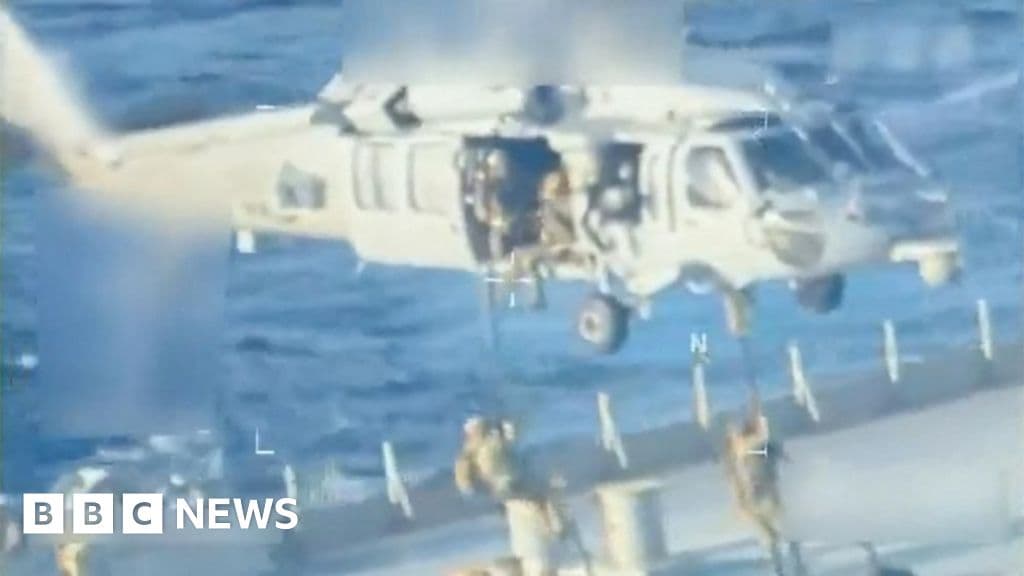
US forces have commandeered a massive oil tanker off the Venezuelan coast, a move President Donald Trump claims is the largest seizure of its kind in history, marking a dramatic escalation in the geopolitical standoff between Washington and Caracas.
This aggressive enforcement of sanctions against Nicolás Maduro’s government does more than strain diplomatic ties; it has already nudged global crude prices upward—a shift that, if sustained, often spells trouble for fuel-dependent import economies like Kenya.
Speaking from the White House, President Trump characterized the operation as a decisive blow against illicit trade networks. "We have just seized a tanker on the coast of Venezuela - a large tanker, very large, the largest one ever seized actually," Trump told reporters, emphasizing the scale of the intervention.
The operation was a complex, multi-agency effort. US Attorney General Pam Bondi, who heads the Department of Justice, released video footage of the seizure, identifying the vessel as a conduit for sanctioned resources. She described it as a "crude oil tanker used to transport sanctioned oil from Venezuela and Iran," highlighting the deepening ties between the two nations under US scrutiny.
According to Bondi, the seizure was coordinated by a heavy-hitting coalition of US agencies:
The reaction from Caracas was immediate and furious. Officials in the Maduro administration denounced the move as an act of "international piracy," accusing Washington of attempting to dismantle Venezuela's sovereignty over its natural resources.
Venezuela sits atop some of the world's largest proven oil reserves, yet its economy has been crippled by mismanagement and crushing sanctions. President Maduro, who has faced intensified isolation efforts from the Trump administration over allegations of narcotics trafficking, declared earlier that his nation would never be reduced to an "oil colony."
While the seizure took place thousands of miles away in the Caribbean, the economic shockwaves are already being felt in the markets that dictate prices in Nairobi. Brent crude prices inched higher on Wednesday immediately following the news, driven by fears of supply disruptions.
For the Kenyan motorist or manufacturer, instability in major oil-producing regions is a critical indicator. When global supply tightens or geopolitical risk premiums rise, the landed cost of fuel in Mombasa typically follows suit. With the Energy and Petroleum Regulatory Authority (EPRA) conducting monthly price reviews, any sustained spike in global crude prices could translate to higher pump prices, impacting everything from matatu fares to the cost of unga on the shelf.
Analysts warn that this move could threaten other shippers, potentially tightening the global oil transit network further. As Washington turns up the heat on Caracas, the world—and the Kenyan consumer—will be watching the fuel gauges closely.
Keep the conversation in one place—threads here stay linked to the story and in the forums.
Sign in to start a discussion
Start a conversation about this story and keep it linked here.
Other hot threads
E-sports and Gaming Community in Kenya
Active 9 months ago
The Role of Technology in Modern Agriculture (AgriTech)
Active 9 months ago
Popular Recreational Activities Across Counties
Active 9 months ago
Investing in Youth Sports Development Programs
Active 9 months ago



