We're loading the full news article for you. This includes the article content, images, author information, and related articles.
The Treasury Department targets a transnational ring recruiting veterans—and training child soldiers—for the Rapid Support Forces, as the war on Kenya’s doorstep attracts global soldiers of fortune.
A shadowy pipeline funneling battle-hardened Colombian veterans from the Andes to the killing fields of Darfur has been exposed and sanctioned by the United States. In a decisive move on Tuesday, the U.S. Treasury Department designated four individuals and four companies accused of turning Sudan’s civil war into a for-profit enterprise.
The sanctions target a sophisticated recruitment network that has reportedly sent hundreds of mercenaries to fight for the paramilitary Rapid Support Forces (RSF). For Kenya, this revelation is a chilling reminder that the conflict raging to the north is no longer just a local power struggle between generals; it has mutated into a global marketplace for violence that threatens the stability of the entire East African region.
“Treasury is sanctioning four individuals and four entities for their role in fueling the war in Sudan,” the Office of Foreign Assets Control (OFAC) confirmed. The network is accused of providing the RSF with critical tactical edges—including sniper operations, drone piloting, and, most disturbingly, the training of child soldiers.
At the heart of this operation, according to U.S. investigators, is Alvaro Andres Quijano Becerra, a retired Colombian military officer and dual Italian national currently based in the United Arab Emirates. The Treasury identifies him as the ringleader who leveraged his military connections to recruit former soldiers looking for a paycheck.
Quijano allegedly utilized the Bogota-based International Services Agency S.A.S. (ISA), a company he co-founded, as the central hub for these operations. The firm, managed by his wife Claudia Viviana Oliveros Forero—who was also sanctioned—ostensibly operated as a legitimate business while funneling fighters to the frontlines of Khartoum and El Fasher.
The financial web extended through multiple jurisdictions to hide the blood money trails:
The impact of these mercenaries has been tangible and deadly. Intelligence reports indicate that Colombian fighters played a pivotal role in the RSF’s siege and eventual capture of El Fasher, the capital of North Darfur, in October 2025. Their expertise in artillery and drone warfare reportedly tipped the scales against the Sudanese Armed Forces (SAF) in key battles.
Perhaps the most harrowing detail to emerge is the role these veterans played in molding the RSF’s rank and file. One mercenary, speaking to investigative outlets The Guardian and La Silla Vacía, admitted to training children in combat tactics. He described the experience as “awful and crazy,” a grim testament to the moral void of the conflict.
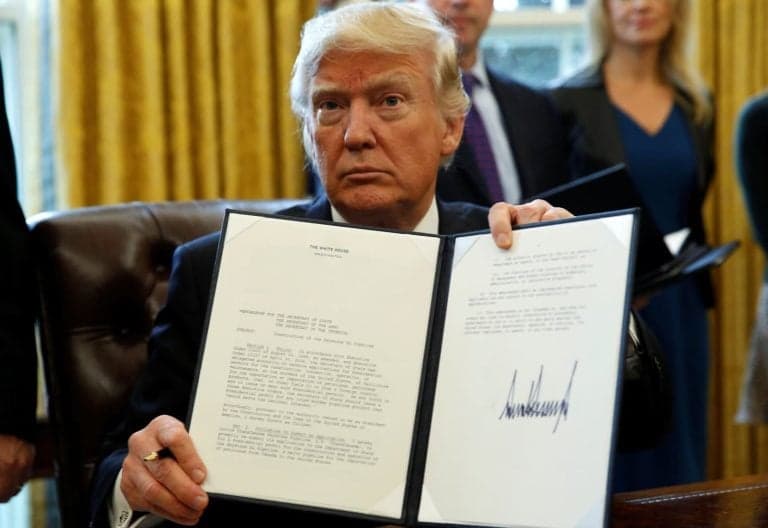
The U.S. administration, under President Donald Trump, has signaled a harder line against external actors fueling the war. Secretary of State Marco Rubio has reportedly engaged in diplomatic calls with regional powers, warning that the “business of war” in Sudan must end. “The RSF has shown again and again that it is willing to target civilians—including infants,” noted John K. Hurley, Under Secretary of the Treasury for Terrorism and Financial Intelligence.
For the Kenyan mwananchi, this might seem like a distant geopolitical drama, but the ripple effects are local. The commercialization of the Sudan conflict complicates peace efforts led by regional bodies like IGAD. When war becomes a lucrative industry for foreign contractors, the incentive to lay down arms diminishes.
Furthermore, the influx of advanced tactics—such as weaponized commercial drones—into the hands of militias poses a long-term security threat to the broader Horn of Africa. Security analysts in Nairobi warn that skills transferred to the RSF today could bleed across borders tomorrow, empowering other non-state actors in the region.
As the sanctions take effect, freezing any U.S. assets held by these entities and barring Americans from doing business with them, the message is clear: the global impunity for fueling Sudan’s genocide is shrinking. However, with the war entering its third year, it remains to be seen if financial penalties alone can stop the flow of soldiers of fortune into a region desperate for peace.
Keep the conversation in one place—threads here stay linked to the story and in the forums.
Sign in to start a discussion
Start a conversation about this story and keep it linked here.
Other hot threads
E-sports and Gaming Community in Kenya
Active 9 months ago
The Role of Technology in Modern Agriculture (AgriTech)
Active 9 months ago
Popular Recreational Activities Across Counties
Active 9 months ago
Investing in Youth Sports Development Programs
Active 9 months ago



