We're loading the full news article for you. This includes the article content, images, author information, and related articles.
The move against the Nigerian literary giant, a vocal critic of Donald Trump, signals potential implications for academic freedom and diplomatic ties, raising concerns among intellectuals in Kenya and across Africa.
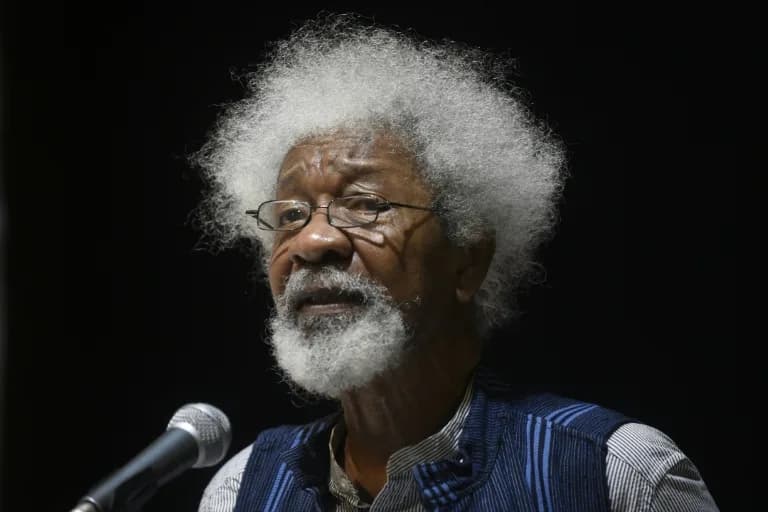
LAGOS – The United States government has revoked the non-immigrant visa of Professor Wole Soyinka, the 91-year-old Nigerian playwright and the first Black African to win the Nobel Prize in Literature. The decision was announced by Soyinka himself during a press conference in Lagos on Tuesday, 28 October 2025, where he stated defiantly, “I have no visa – I am banned.”
Soyinka, a long-standing and trenchant critic of former and current US President Donald Trump, read from a letter dated 23 October 2025, from the U.S. Consulate General in Lagos. The letter, which he sarcastically termed a “curious love letter from an embassy,” cited broad discretionary powers under U.S. Department of State regulations that permit a consular officer to revoke a visa at any time. The U.S. embassy in Abuja has declined to comment on the specific case, citing confidentiality rules.
This incident is the latest chapter in a contentious relationship between the literary icon and the Trump administration. In November 2016, following Trump's first election victory, Soyinka famously destroyed his U.S. green card, which conferred permanent residency. He had pledged to undertake a personal "Wolexit" as a protest against Trump's campaign rhetoric, which he described as xenophobic. “I had a horror of what is to come with Trump… I threw away the card, and I have relocated,” he stated at a conference in South Africa in late 2016.
More recently, Soyinka speculated the revocation might be linked to his comments comparing Trump to the former Ugandan dictator Idi Amin. At a media briefing in September 2025 titled “Unending Saga: Idi Amin in Whiteface,” Soyinka had referred to Trump as a “white Idi Amin,” questioning the president's behaviour and mentality. During his Tuesday press conference, he quipped that Trump should be proud of the comparison, sarcastically calling Amin “a man of international stature.”
The revocation has sparked immediate concern among civil society and human rights activists. While some organizations noted that visa issuance and revocation are sovereign rights of any nation, others described the move as a “disturbing attempt to stifle dissent and intellectual freedom.” The action is seen as part of a broader pattern under the Trump administration, which has increasingly used visa revocations as a tool, notably targeting international students and other critics. In April 2025, Oscar Arias, former Costa Rican president and a Nobel Peace Prize winner, also had his visa cancelled.
For Kenya and the wider East African region, the barring of a figure of Soyinka's stature raises significant questions about the future of academic and cultural exchange with the United States. Kenyan scholars, artists, and activists who travel frequently to the U.S. for conferences, fellowships, and collaborations may now face a more uncertain environment, particularly if they have been publicly critical of U.S. policy. The action could create a chilling effect, discouraging the robust debate and intellectual exchange that underpins diplomatic and cultural relationships.
U.S. visa policies for African students have already been a point of concern. A 2023 report highlighted that visa denial rates for African students are disproportionately high compared to other regions. Policies enacted during the first Trump administration were seen by analysts as discriminatory and working against long-term U.S. interests in Africa, which has been a key recruiting ground for talent. The current move against Soyinka, a respected elder statesman of global literature, could further strain these essential people-to-people ties.
Soyinka, who was awarded the Nobel Prize in Literature in 1986 for fashioning “the drama of existence” with a wide cultural perspective and poetic overtones, remains unperturbed. He has a long history of activism, including being imprisoned in Nigeria for his political criticism in the 1960s. He told journalists that organizations in the U.S. hoping to invite him should not waste their time. “I wouldn't take the initiative myself because there's nothing I'm looking for there,” he said, while leaving the door open to a visit should circumstances change. For now, the celebrated author, who has taught at top American universities like Harvard and Cornell, is effectively barred from the country.
Keep the conversation in one place—threads here stay linked to the story and in the forums.
Sign in to start a discussion
Start a conversation about this story and keep it linked here.
Other hot threads
E-sports and Gaming Community in Kenya
Active 9 months ago
The Role of Technology in Modern Agriculture (AgriTech)
Active 9 months ago
Popular Recreational Activities Across Counties
Active 9 months ago
Investing in Youth Sports Development Programs
Active 9 months ago



