We're loading the full news article for you. This includes the article content, images, author information, and related articles.
Following unprecedented military strikes, Donald Trump expresses willingness to engage in dialogue with surviving Iranian leaders, signaling a complex geopolitical shift.
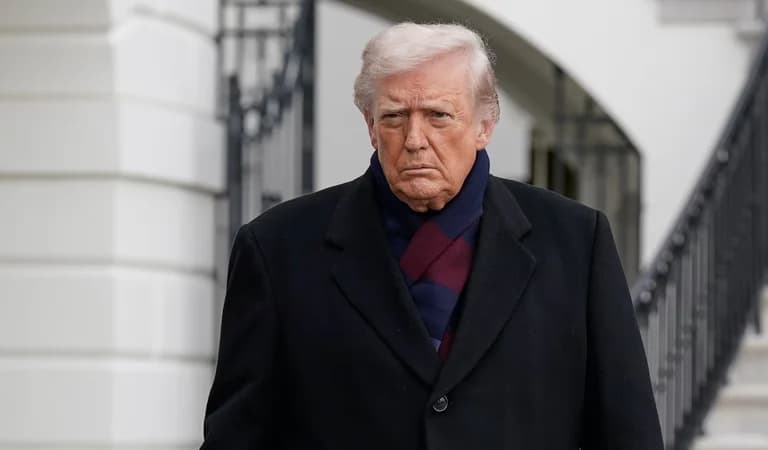
In a dramatic twist to the ongoing Middle East crisis, United States President Donald Trump has signaled a potential diplomatic pivot, expressing an unexpected willingness to engage in direct talks with the surviving remnants of the Iranian leadership. This announcement comes just hours after a devastating series of US-Israeli military strikes reshaped the region''s power dynamics.
The overture marks a highly complex phase in international diplomacy, carrying profound implications not just for the Gulf region, but for global trade networks and emerging economies across Africa. With the conflict threatening to draw in multiple global powers, the prospect of negotiations offers a fragile glimmer of hope for stabilization in a deeply volatile environment.
The weekend''s military operations were unprecedented in their scale and precision. Following the targeted assassination of Iran''s Supreme Leader, Ayatollah Ali Khamenei, in an Israeli airstrike, President Trump revealed that approximately 48 high-ranking Iranian leaders were neutralized within the first 48 hours of the bombing campaign. Furthermore, the US military confirmed its first casualties of the war, reporting three dead and five injured from retaliatory shrapnel.
Speaking to the Atlantic magazine, Trump adopted a surprisingly pragmatic tone regarding future relations. "They want to talk, and I have agreed to talk, so I will be talking to them," he stated, though he simultaneously warned that the overarching conflict could easily extend for another four weeks as military objectives are finalized. This dual-track approach of overwhelming military force coupled with immediate diplomatic offers represents a high-risk geopolitical strategy.
For Kenya and the broader East African Community (EAC), the developments in the Middle East are being monitored with extreme urgency. The region serves as a critical strategic partner to both Western powers and Gulf states, placing it in a delicate diplomatic balancing act.
The international community is now holding its collective breath to see if Tehran''s newly appointed leadership will accept Washington''s invitation to the negotiating table. The alternative is a protracted regional war that threatens to choke global energy supplies and trigger a worldwide economic recession.
"The corridors of power in Nairobi must remain hyper-vigilant; when giants clash in the Middle East, it is the emerging economies that often bear the heaviest economic shrapnel."
Keep the conversation in one place—threads here stay linked to the story and in the forums.
Sign in to start a discussion
Start a conversation about this story and keep it linked here.
Other hot threads
E-sports and Gaming Community in Kenya
Active 9 months ago
The Role of Technology in Modern Agriculture (AgriTech)
Active 9 months ago
Popular Recreational Activities Across Counties
Active 9 months ago
Investing in Youth Sports Development Programs
Active 9 months ago



