We're loading the full news article for you. This includes the article content, images, author information, and related articles.
Elite US neurosurgeons begin a life-saving mission in Kisumu, targeting 50 complex cases and building local capacity to bridge the specialized healthcare gap.
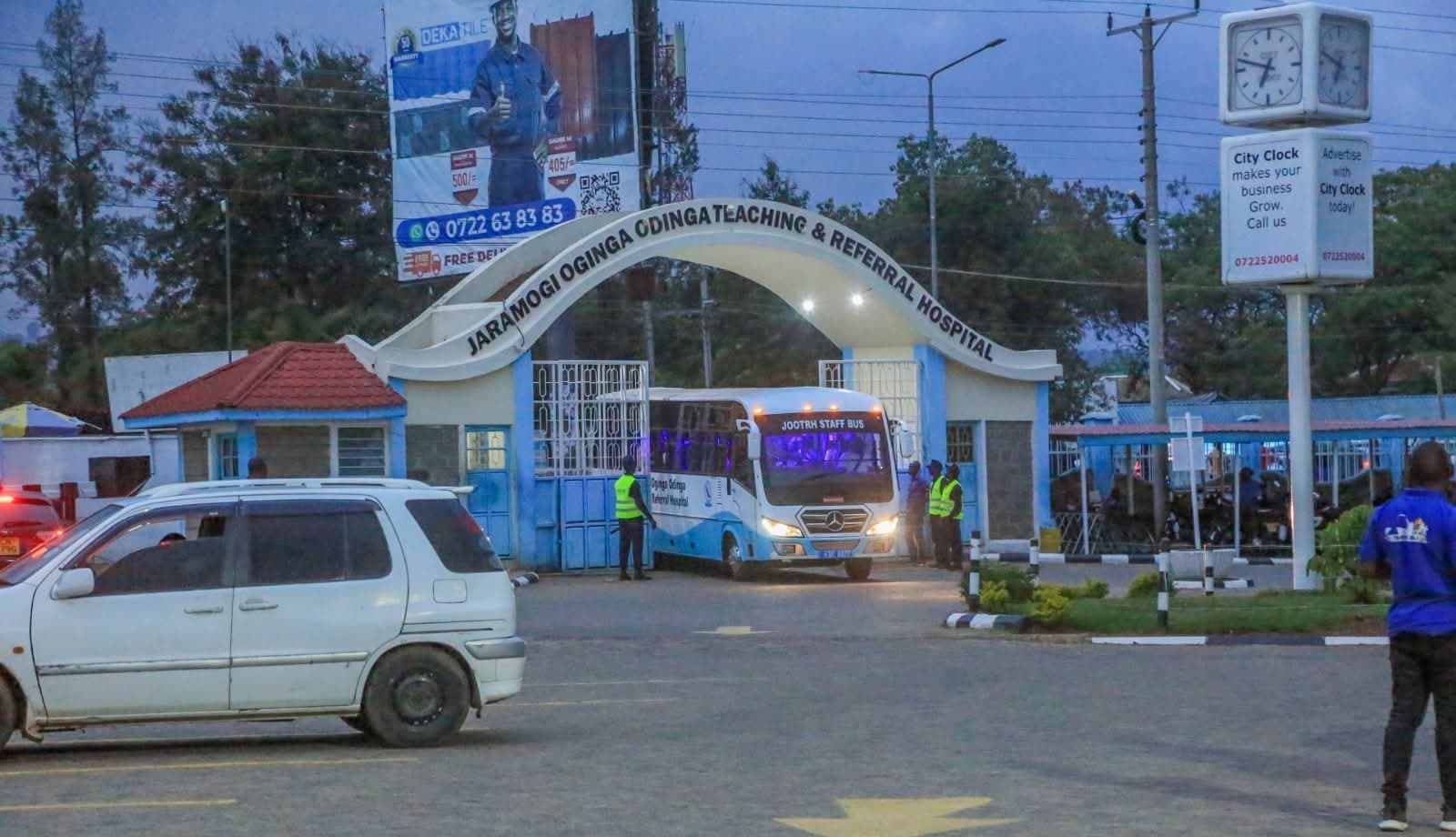
A team of elite neurosurgeons from the United States has touched down in Kisumu, embarking on a critical mission to save lives and transfer high-level skills. The week-long surgical camp at Jaramogi Oginga Odinga Teaching and Referral Hospital (JOOTRH) targets 50 of the most complex brain and spine cases in the region.
For patients like Caren Odhiambo’s infant child, who is suffering from a fluid buildup in the brain, this week is not just another week; it is a lifeline. The arrival of the Kisumu Neuroscience Initiative team, led by Dr. Victor Awuor from Columbus, Ohio, brings world-class intervention to a region that has historically been underserved in specialized care. The corridors of JOOTRH are buzzing with a mix of anxiety and hope as 50 selected patients prepare for surgeries that would otherwise cost millions in private facilities or abroad.
This mission is not a "fly-in, fly-out" charity act. It is a strategic capacity-building operation. Dr. Awuor and his team, which includes Dr. Robert Galler from New York and a pediatric specialist, are working shoulder-to-shoulder with local surgeons. The goal is skills transfer. Every incision, every clamp, and every decision is a teaching moment. They are building a local cadre of experts capable of handling these complex cases long after the Americans have returned to Ohio. This sustainable model is the only way to bridge the gaping healthcare disparity in Western Kenya.
The necessity of this camp highlights a grim reality: the acute shortage of neurosurgical services in the public sector. Patients like 72-year-old William Onyango, injured in an accident years ago, have been waiting in pain because they cannot afford private care. The queue at the JOOTRH clinic is a testament to the demand. By performing 50 surgeries in a week, the team is clearing a backlog that represents years of suffering. Dr. Awuor’s statement, "It is not about the numbers, it is about quality," reflects the immense pressure to ensure positive outcomes in a resource-constrained environment.
The collaboration has grown over six years into a robust partnership. Dr. Lee Ogutha, the region’s resident neurosurgeon, noted that these camps have evolved from simple relief missions to sophisticated symposia where the future of African neurosurgery is discussed. The presence of medical students from Germany alongside the US team adds a global layer to this learning ecosystem.
As the first patients are wheeled into the theatre this Monday morning, the impact is tangible. Lives are being reset. A child will see; a grandfather will walk. But the true measure of success will be in the years to come, when a local surgeon, trained during this week, saves a life without needing to wait for a plane from America. This is the power of medical diplomacy—solving today’s crisis while building tomorrow’s solution.
Keep the conversation in one place—threads here stay linked to the story and in the forums.
Sign in to start a discussion
Start a conversation about this story and keep it linked here.
Other hot threads
E-sports and Gaming Community in Kenya
Active 9 months ago
The Role of Technology in Modern Agriculture (AgriTech)
Active 9 months ago
Popular Recreational Activities Across Counties
Active 9 months ago
Investing in Youth Sports Development Programs
Active 9 months ago