We're loading the full news article for you. This includes the article content, images, author information, and related articles.
High-stakes, indirect nuclear negotiations between the United States and Iran in Geneva have ended with mediators citing "significant progress," potentially diffusing the immediate threat of a major Middle Eastern war.
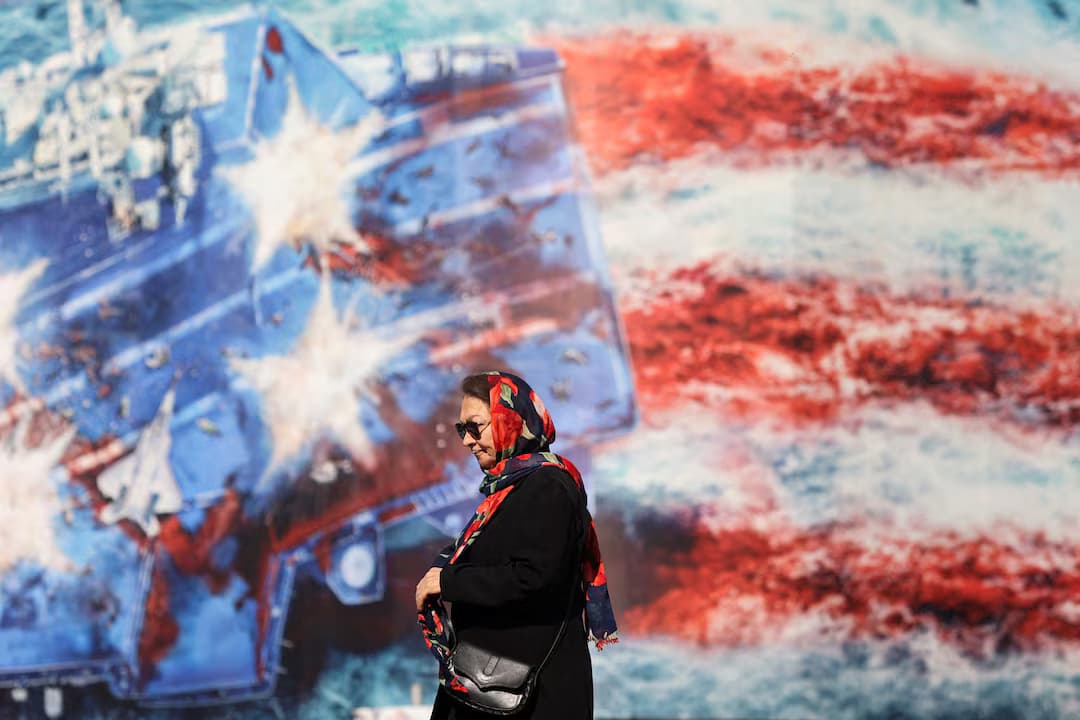
High-stakes, indirect nuclear negotiations between the United States and Iran in Geneva have ended with mediators citing "significant progress," potentially diffusing the immediate threat of a major Middle Eastern war.
Diplomats have stepped back from the precipice of war following intense rounds of mediation. While a finalized deal remains elusive, crucial concessions appear to have been made, offering a fragile diplomatic lifeline.
The successful de-escalation of this crisis is a massive relief for global markets, particularly for oil-importing African nations. A military strike on Iranian facilities, as threatened by the US, would have inevitably disrupted the Strait of Hormuz, triggering a catastrophic spike in crude oil prices that would have severely inflated the cost of living and transportation across Kenya and the broader East African bloc.
The third round of indirect talks, held in Geneva, was brokered heavily by Omani Foreign Minister Badr Albusaidi. The discussions took place under a cloud of intense pressure, fueled by the largest US military build-up in the Middle East since the 2003 invasion of Iraq and explicit threats of military action from US President Donald Trump. Despite the volatile atmosphere, the mediator confirmed that negotiators exchanged creative and positive ideas during the three-hour sessions.
Iran's delegation, led by Foreign Minister Abbas Araghchi, reportedly stood firm on its right to peaceful nuclear energy. They explicitly rejected hardline US demands to completely halt uranium enrichment on Iranian soil and to transfer their 400-kilogram stockpile of enriched uranium out of the country. However, backchannel reports suggest that critical, previously unpublicized concessions were offered, allowing both sides to claim a degree of progress.
While the exact details remain classified, leaked proposals indicate a potential middle ground. One heavily debated option suggests allowing Iran to enrich uranium at a highly restricted, minimal level following a mandatory three-to-five-year suspension. This would be executed under the strict, uncompromising surveillance of international monitoring bodies.
In exchange for these severe limitations on its nuclear ambitions, Tehran is aggressively demanding the total lifting of crippling Western economic sanctions. These sanctions have devastated the Iranian economy, and their removal is viewed by the Iranian leadership as a non-negotiable prerequisite for any finalized treaty.
The progress made in Geneva has bought vital time for diplomacy. Both delegations will return to their respective capitals for high-level consultations before technical teams convene in Vienna next week to hammer out the granular details of a potential accord. While the prospect of war has been temporarily delayed, the fundamental mistrust between Washington and Tehran ensures that the path to a lasting peace remains fraught with peril.
"We hope to make more progress; the technical-level discussions in Vienna next week will be decisive in determining if a final deal can be reached."
Keep the conversation in one place—threads here stay linked to the story and in the forums.
Sign in to start a discussion
Start a conversation about this story and keep it linked here.
Other hot threads
E-sports and Gaming Community in Kenya
Active 9 months ago
The Role of Technology in Modern Agriculture (AgriTech)
Active 9 months ago
Popular Recreational Activities Across Counties
Active 9 months ago
Investing in Youth Sports Development Programs
Active 9 months ago



