We're loading the full news article for you. This includes the article content, images, author information, and related articles.
A six-year scientific effort crumbles as wealthy nations refuse to accept findings on consumption and oil, leaving the UNEP flagship report without government backing.
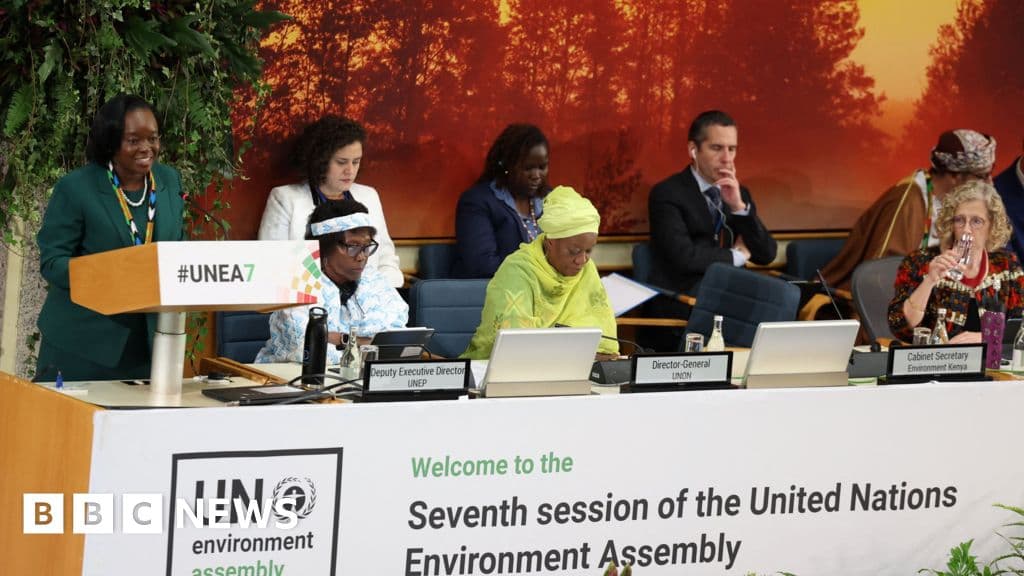
A landmark six-year scientific assessment of the planet’s health has been derailed by diplomatic infighting, with the United States accused of blocking findings that link fossil fuels to global catastrophe.
For Kenya, the host of the UN Environment Programme (UNEP), this diplomatic impasse at Gigiri is more than bureaucratic theatre. It signals a dangerous retreat by wealthy nations from the commitments needed to shield East Africa from worsening climate shocks.
The Global Environment Outlook (GEO) is traditionally the gold standard of environmental science, issued every six to seven years to guide global policy. However, the latest edition has been published under a cloud of controversy. According to the report's co-chair, the process was effectively "hijacked" by the United States and a bloc of allied nations.
The friction point was a summary of conclusions intended for policymakers. During high-level meetings, likely held at the UNEP headquarters in Nairobi, US representatives and their allies refused to endorse the scientific consensus. They argued they could not support the text, which explicitly connected climate change, nature loss, and pollution to unsustainable consumption patterns in wealthy economies.
Faced with pressure to water down their research, the scientists refused to capitulate. Consequently, the report has been released without the crucial government-approved summary—a move that significantly weakens its political leverage.
The objections raised by Western powers center on the report's unflinching assessment of the fossil fuel industry. The findings warn of a "dire future" for millions unless the world executes a rapid transition away from coal, oil, and gas. Specifically, the report called for:
Researchers note that these objections mirror the stalling tactics seen at the recent COP30 talks, suggesting a coordinated effort to insulate the fossil fuel sector from scientific scrutiny.
The breakdown of this report hits hard in Nairobi. As the environmental capital of the world, the city is the custodian of these global truths. When major powers undermine a UNEP report, they undermine the very institution Kenya hosts.
Furthermore, the report's suppressed warnings regarding "unsustainable consumption" highlight the disparity between the Global North and countries like Kenya. While East Africa contributes minimally to global emissions, it bears the brunt of the "dire future" predicted by the scientists—manifesting locally as erratic rains, prolonged droughts, and food insecurity.
As the dust settles on this diplomatic row, the message from the scientific community remains stark, even if the politics are murky. The report stands as a testament to reality, regardless of whether governments choose to sign it.
Keep the conversation in one place—threads here stay linked to the story and in the forums.
Sign in to start a discussion
Start a conversation about this story and keep it linked here.
Other hot threads
E-sports and Gaming Community in Kenya
Active 9 months ago
The Role of Technology in Modern Agriculture (AgriTech)
Active 9 months ago
Popular Recreational Activities Across Counties
Active 9 months ago
Investing in Youth Sports Development Programs
Active 9 months ago



