We're loading the full news article for you. This includes the article content, images, author information, and related articles.
Washington launches a full-scale review of its ties with the Samia Suluhu government, citing gross human rights abuses and a violent crackdown on dissent that has sent shockwaves across East Africa, hitting Kenyan traders hard.
The United States has put its long-standing partnership with Tanzania on ice, initiating a comprehensive review of the relationship following a brutal government crackdown after the nation's chaotic October 29 elections. The move comes amid harrowing reports of widespread violence, mass detentions, and the killing of hundreds of civilians.
This diplomatic fallout directly threatens regional stability and the livelihoods of many Kenyans. The political turmoil in the neighbouring state has begun to choke off a vital economic artery for Kenya, as trade at key border points grinds to a halt, jeopardizing a significant portion of the KSh 67 billion in goods Kenya exported to Tanzania in 2024.
The impact is being felt acutely in border towns like Namanga and Taveta. Kenyan truck drivers and small-scale traders, who depend on the daily cross-border flow of goods, are now facing uncertainty and financial ruin. The Kenya Association of Manufacturers (KAM) has warned that the prolonged instability could severely damage this crucial economic relationship.
"If there is chaos in Tanzania, it means our businessmen who are exporting their products are not able to access that market," noted KAM Chief Executive Tobias Olando. Reports from the Taveta-Holili border post describe a significant slowdown, with transport operators and boda boda riders facing arbitrary restrictions and harassment from Tanzanian security forces.
The US State Department's decision was triggered by what it called "disturbing violence against civilians" and the "ongoing repression of religious freedom and free speech" by the Tanzanian government. The statement emphasized that these actions have put American citizens and US interests at risk.
International observers have painted a grim picture of the post-election landscape:
The European Parliament has also taken a hard stance, voting to suspend a development aid package of €156 million (approx. KES 21.8 billion). In response, Tanzania's Foreign Affairs Minister, Mahmoud Kombo, indicated that his government was consulting with EU institutions, urging them to reconsider the move.
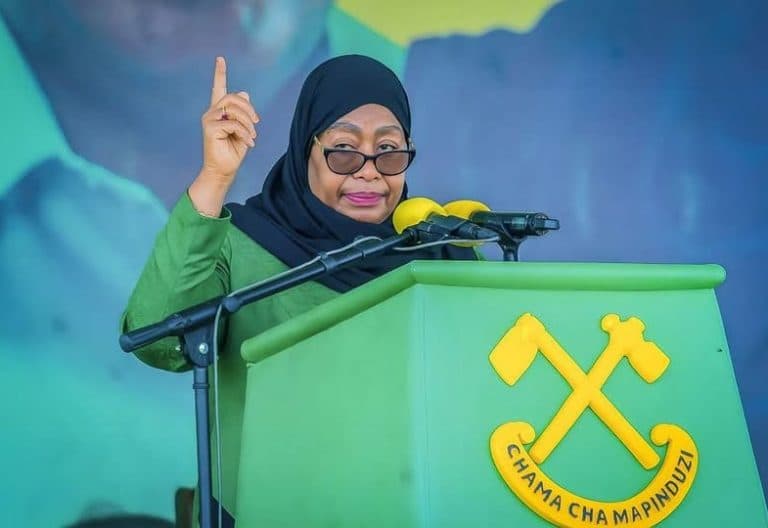
President Samia Suluhu Hassan, who was declared the winner with a contentious 97.6% of the vote, has defended the actions of her security forces, blaming foreign actors for instigating the violence. This stance has done little to quell international alarm or ease the concerns of its neighbours.
The review by the United States, Tanzania's largest bilateral donor, signals a potential deep freeze in relations, which could impact everything from aid and investment to security cooperation. For Kenya, the instability next door is not a distant problem but an immediate threat to its economic well-being and the security of the entire East African bloc. The future of the US-Tanzania relationship, the State Department warned, "will be based on its actions."
Keep the conversation in one place—threads here stay linked to the story and in the forums.
Sign in to start a discussion
Start a conversation about this story and keep it linked here.
Other hot threads
E-sports and Gaming Community in Kenya
Active 9 months ago
The Role of Technology in Modern Agriculture (AgriTech)
Active 9 months ago
Popular Recreational Activities Across Counties
Active 9 months ago
Investing in Youth Sports Development Programs
Active 9 months ago
Key figures and persons of interest featured in this article