We're loading the full news article for you. This includes the article content, images, author information, and related articles.
A rare moment of coordination between Washington and Tehran sees dozens repatriated, raising alarm over the fate of religious minorities and LGBT deportees facing persecution at home.
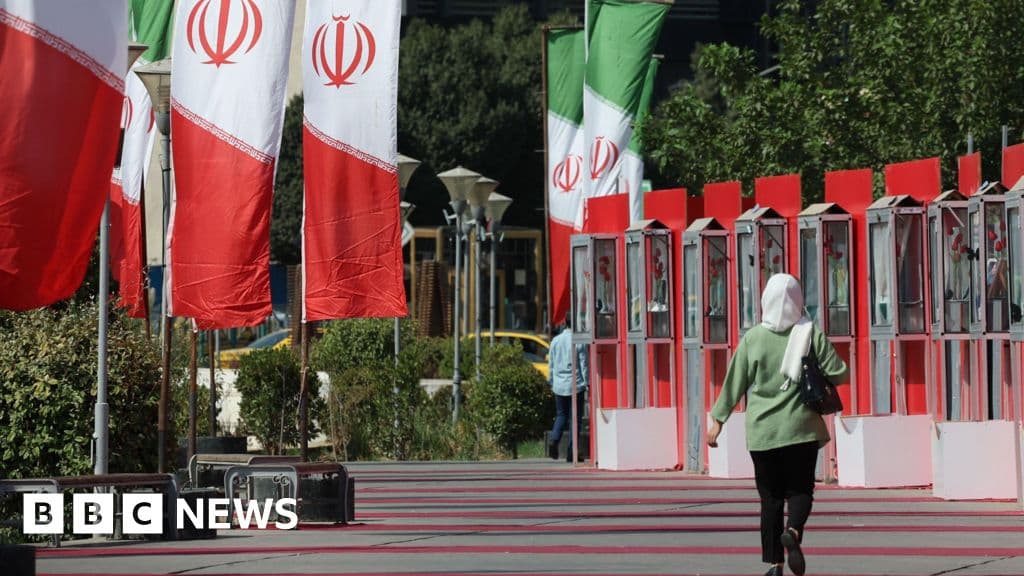
A chartered jet carrying more than 50 Iranian nationals departed Arizona on Sunday, cutting a controversial path through Cairo and Kuwait before delivering its passengers into the hands of authorities in Tehran.
This operation marks the second mass expulsion of Iranians since late September, signaling a quiet but significant escalation in enforcement under the Trump administration. For human rights advocates, however, the logistical cooperation between two geopolitical adversaries masks a grim reality: the potential return of vulnerable minorities to a legal system known for severe retribution.
While U.S. immigration officials declined to "confirm or deny" the specific flight details citing security protocols, sources on the ground have painted a disturbing picture of the passenger manifest.
Father Joseph Bach, a prominent advocate with Borderland Companions of Hope—a Franciscan organization supporting migrants—revealed that the deportees included highly vulnerable individuals. Through contacts inside the Arizona detention facility, Father Bach noted that the group included Christian converts and individuals identifying as LGBT.
In Iran, renouncing Islam for Christianity or engaging in same-sex relationships can lead to capital punishment or severe imprisonment. The gravity of their return was not lost on the advocates.
"It's the most unchristian thing to do," Father Bach emphasized, his assessment stark and unyielding. "It's scary, it concerns me, it is not OK. I call this a death flight."
The deportation highlights a complex diplomatic paradox. While Washington and Tehran remain at odds over nuclear programs and regional influence, the logistics of these flights require tacit agreement. Tehran’s foreign ministry confirmed the arrival, framing the return as a voluntary exit from a hostile environment.
According to the judiciary-affiliated Mizan News Agency, an Iranian consular official alleged that the nationals had "announced their willingness for return" due to what they termed "anti-immigration and discriminative policy" in the United States.
This narrative of voluntary return stands in sharp contrast to the accounts of asylum seekers who often flee Iran specifically to escape the state's rigid enforcement of religious and social codes.
For observers in Nairobi, the incident serves as a sobering reminder of the tightening global migration landscape. As the U.S. hardens its borders, the ripple effects are felt by diaspora communities worldwide, including the thousands of Kenyans navigating complex visa systems abroad.
The willingness of the U.S. to repatriate nationals to countries with questionable human rights records sets a precedent that goes beyond Iran. It signals a prioritization of enforcement over protection—a shift that migration experts warn could endanger asylum seekers from various nations, regardless of the political climate at home.
As the dust settles on the tarmac in Tehran, the fate of the Christian converts and LGBT individuals aboard remains shrouded in uncertainty, their safety now entirely dependent on the very system they once sought to escape.
Keep the conversation in one place—threads here stay linked to the story and in the forums.
Sign in to start a discussion
Start a conversation about this story and keep it linked here.
Other hot threads
E-sports and Gaming Community in Kenya
Active 9 months ago
The Role of Technology in Modern Agriculture (AgriTech)
Active 9 months ago
Popular Recreational Activities Across Counties
Active 9 months ago
Investing in Youth Sports Development Programs
Active 9 months ago



