We're loading the full news article for you. This includes the article content, images, author information, and related articles.
A top US admiral testified that Defence Secretary Pete Hegseth did not issue a direct 'kill them all' order, but the testimony has ignited a firestorm over the legality and morality of America's lethal war on drug traffickers.
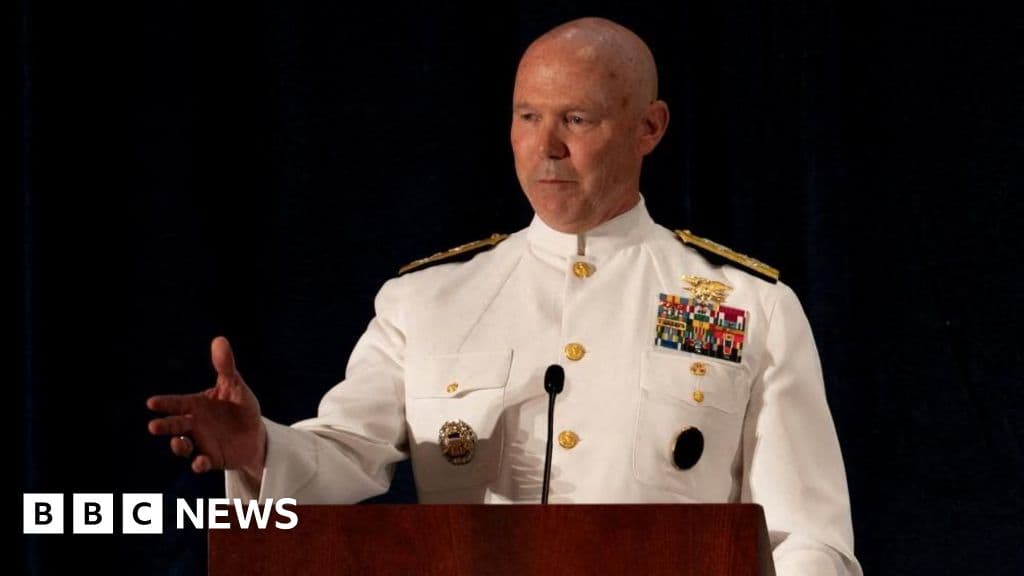
A senior US Navy admiral has testified that Defence Secretary Pete Hegseth did not give a direct order to "kill them all" during a controversial military strike on a suspected drug boat on September 2, according to American lawmakers. The testimony from Admiral Frank Bradley in closed-door hearings was intended to quell a political firestorm over the incident, which has raised profound questions about the rules of engagement in the US war on drugs.
The issue strikes a chord in Kenya, which collaborates closely with international partners, including the US, to combat narcotics trafficking. The American military's shift towards lethal force, which has killed over 80 people since September, sets a global precedent that security analysts in Nairobi are watching closely.
While Admiral Bradley's testimony may clear Hegseth of one specific allegation, it has done little to calm the waters. The White House maintains the strikes are legal and that Adm. Bradley was responsible for the operational decisions. However, the incident, which involved a follow-up strike that killed survivors clinging to the wreckage, has deeply divided Washington.
Lawmakers who viewed classified footage of the attack offered starkly different reactions. Republican Senator Tom Cotton defended the strikes as "entirely lawful and needful." But senior Democrat Jim Himes, the top Democrat on the House Intelligence Committee, called the footage "one of the most troubling things I've seen in my time in public service."
"Yes, they were carrying drugs. They were not in the position to continue their mission in any way," Himes noted, describing the survivors as being in "clear distress" before they were killed. This has amplified concerns among legal experts that the strike may have violated international laws of war, which prohibit attacking shipwrecked or incapacitated combatants.
The controversy continues to unfold even as the US military announced a fresh strike in the eastern Pacific, which it confirmed was ordered by Hegseth himself, killing four people. This indicates the policy of lethal force remains firmly in place, despite the growing outcry.
As US lawmakers demand further investigation, the debate over proportionality and legality in the war on drugs is set to intensify. For nations like Kenya, a key transit hub in the global narcotics trade, the outcome of this high-stakes debate in Washington could have far-reaching implications for future international security cooperation.
Keep the conversation in one place—threads here stay linked to the story and in the forums.
Sign in to start a discussion
Start a conversation about this story and keep it linked here.
Other hot threads
E-sports and Gaming Community in Kenya
Active 9 months ago
The Role of Technology in Modern Agriculture (AgriTech)
Active 9 months ago
Popular Recreational Activities Across Counties
Active 9 months ago
Investing in Youth Sports Development Programs
Active 9 months ago



