We're loading the full news article for you. This includes the article content, images, author information, and related articles.
A ruling against Alina Habba's appointment in New Jersey offers a stark reminder of constitutional checks on executive power, a principle keenly watched in Kenya.
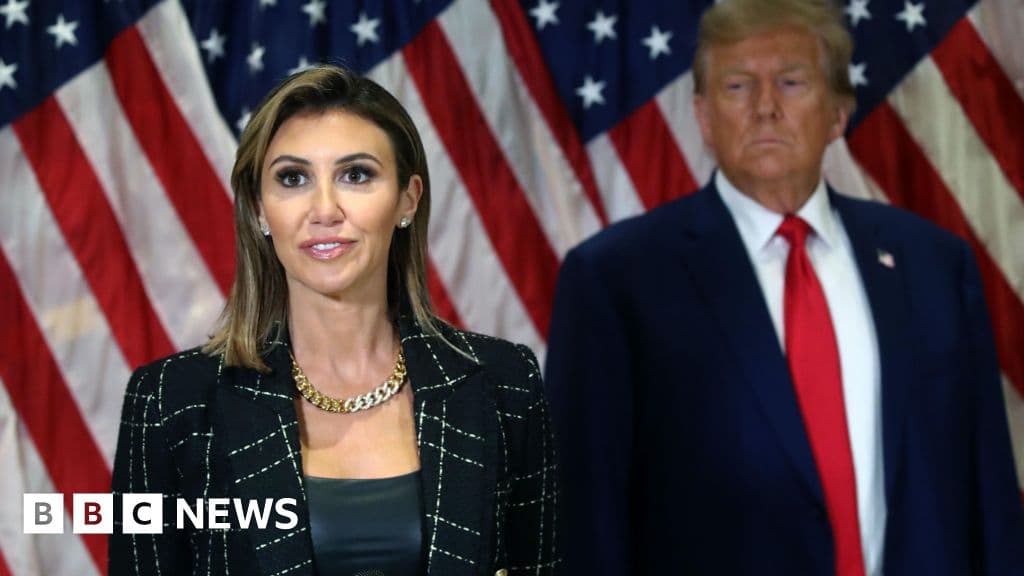
A United States appeals court has decisively ruled that Alina Habba, a former personal lawyer to President Donald Trump, has been unlawfully serving as the top federal prosecutor for the state of New Jersey. The decision puts a firm brake on an executive appointment that bypassed the crucial step of Senate confirmation, a move that could unravel numerous criminal cases.
This ruling is more than a distant political drama; it is a powerful case study in the constitutional checks and balances that limit executive power. For Kenyans, who have closely followed debates on the parliamentary vetting of public officials, this American legal battle underscores a shared democratic principle: high office demands public scrutiny and legislative approval, not just a presidential decree.
The U.S. Court of Appeals for the Third Circuit on Monday affirmed a lower court's decision, finding the Trump administration's maneuvers to keep Habba in her post violated federal law. The court noted the administration seemed "frustrated by some of the legal and political barriers to getting its appointees in place."
The legal challenge hinged on the Federal Vacancies Reform Act of 1998. This law strictly governs how temporary appointments are made, intending to bridge gaps, not to supplant the Senate's constitutional role of "advice and consent." Critics argued Habba's appointment was an attempt to install a loyalist in a powerful office, as she had never served as a prosecutor before.
The ruling could jeopardize any indictments or official actions taken by the New Jersey U.S. Attorney's office since Habba's authority was deemed unlawful. While the court did not immediately dismiss cases, it has disqualified Habba from participating in them, creating legal uncertainty.
The controversy around Habba's appointment mirrors Kenya's own constitutional struggles with the scope of presidential power. The Kenyan Constitution, particularly under the Public Appointments (Parliamentary Approval) Act, mandates that nominees for key state offices undergo a rigorous vetting process by Parliament. This process is designed to ensure transparency, public participation, and accountability—values intended to prevent the very cronyism alleged in the U.S. case.
This American court decision serves as a crucial affirmation of several principles that Kenyans hold dear:
In a joint statement, the lawyers who challenged Habba's authority celebrated the ruling. They noted it was "the first time an appellate court has ruled that President Trump cannot usurp longstanding statutory and constitutional processes to insert whomever he wants in these positions."
As the U.S. Justice Department weighs a potential appeal to the Supreme Court, this case remains a critical watchpoint. It is a potent reminder that the guardrails of democracy, whether in Washington D.C. or Nairobi, depend on the willingness of institutions to defend them.
Keep the conversation in one place—threads here stay linked to the story and in the forums.
Sign in to start a discussion
Start a conversation about this story and keep it linked here.
Other hot threads
E-sports and Gaming Community in Kenya
Active 9 months ago
The Role of Technology in Modern Agriculture (AgriTech)
Active 9 months ago
Popular Recreational Activities Across Counties
Active 9 months ago
Investing in Youth Sports Development Programs
Active 9 months ago



