We're loading the full news article for you. This includes the article content, images, author information, and related articles.
The Trump administration and Indonesian President Prabowo Subianto have finalized a sweeping trade pact, slashing US tariffs from 32 percent to 19 percent.
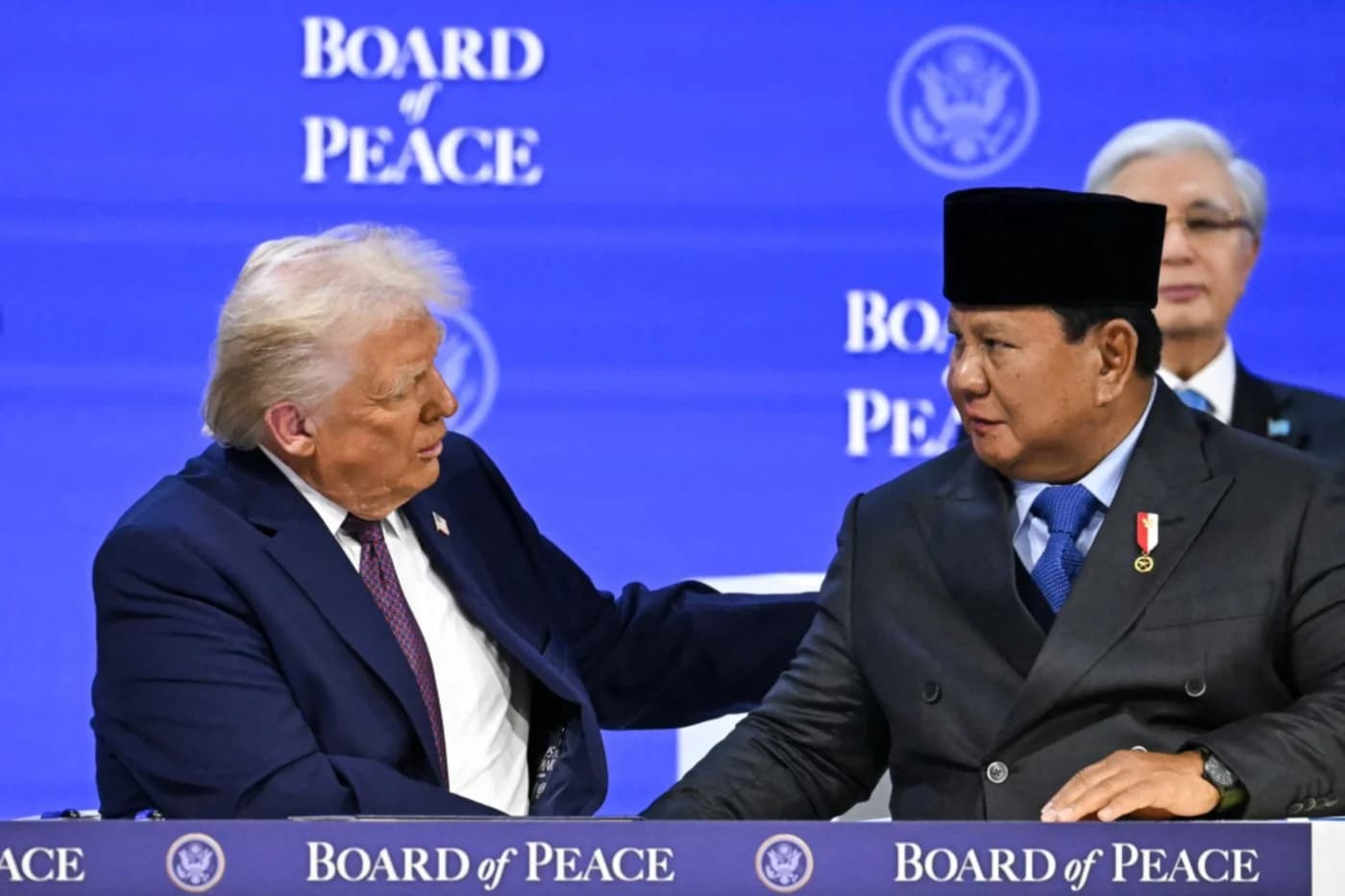
The Trump administration and Indonesian President Prabowo Subianto have finalized a sweeping trade pact, slashing US tariffs from 32 percent to 19 percent in a strategic pivot that redefines Southeast Asian economic diplomacy.
Global trade architecture has just experienced a massive tectonic shift. In a decisive move orchestrated by President Donald Trump and Indonesia's newly minted leadership, Washington has radically downgraded its tariff barriers against the Southeast Asian juggernaut. The comprehensive agreement is a masterclass in aggressive transactional diplomacy, aiming to secure vital supply chains while cracking open the massive Indonesian domestic market to American conglomerates.
For economic policymakers in Nairobi watching this unfold, the implications are stark. Kenya, currently navigating the treacherous waters of the US-Kenya Strategic Trade and Investment Partnership (STIP) under the shadow of the expiring AGOA framework, must study the Indonesian playbook. The brutal reality of modern trade is that sovereign concessions are the only currency Washington truly values.
The negotiations, finalized during President Prabowo's high-stakes visit to the US for the "Board of Peace" summit, are fundamentally reciprocal. To secure the coveted 19 percent tariff ceiling, Indonesia agreed to effectively dismantle trade barriers on over 99 percent of American imports. This includes a vast array of sectors from agriculture and healthcare to technology and automotive components.
Airlangga Hartarto, Indonesia's coordinating minister for economic affairs, championed the deal as a massive victory for domestic exporters. "The vision of this agreement is mutual economic prosperity, strong supply chains, and respect for each country's sovereignty," he stated, noting that nearly 90 percent of Jakarta's requests were granted.
The pact is a labyrinth of exemptions and regulatory alignments designed to fuse the two economies closer together. The key pillars of the agreement include:
US Trade Representative Jamieson Greer characterized the agreement as a tool that "breaks down trade barriers" to advance American interests. This language serves as a direct warning to other developing nations seeking access to the lucrative US consumer base. The era of unconditional preferential access is rapidly closing; the future belongs to brutal, reciprocal bilateral pacts.
As Indonesia celebrates its diplomatic victory, the rest of the developing world—particularly East Africa—must rapidly recalibrate its negotiation strategies.
In the high-stakes arena of global commerce, you rarely get what you deserve; you only get what you have the leverage to negotiate.
Keep the conversation in one place—threads here stay linked to the story and in the forums.
Sign in to start a discussion
Start a conversation about this story and keep it linked here.
Other hot threads
E-sports and Gaming Community in Kenya
Active 9 months ago
The Role of Technology in Modern Agriculture (AgriTech)
Active 9 months ago
Popular Recreational Activities Across Counties
Active 9 months ago
Investing in Youth Sports Development Programs
Active 9 months ago



