We're loading the full news article for you. This includes the article content, images, author information, and related articles.
A 2,200-year-old Greek method gets a modern, low-cost twist, offering a powerful science lesson for any Kenyan family with a phone and some building blocks.
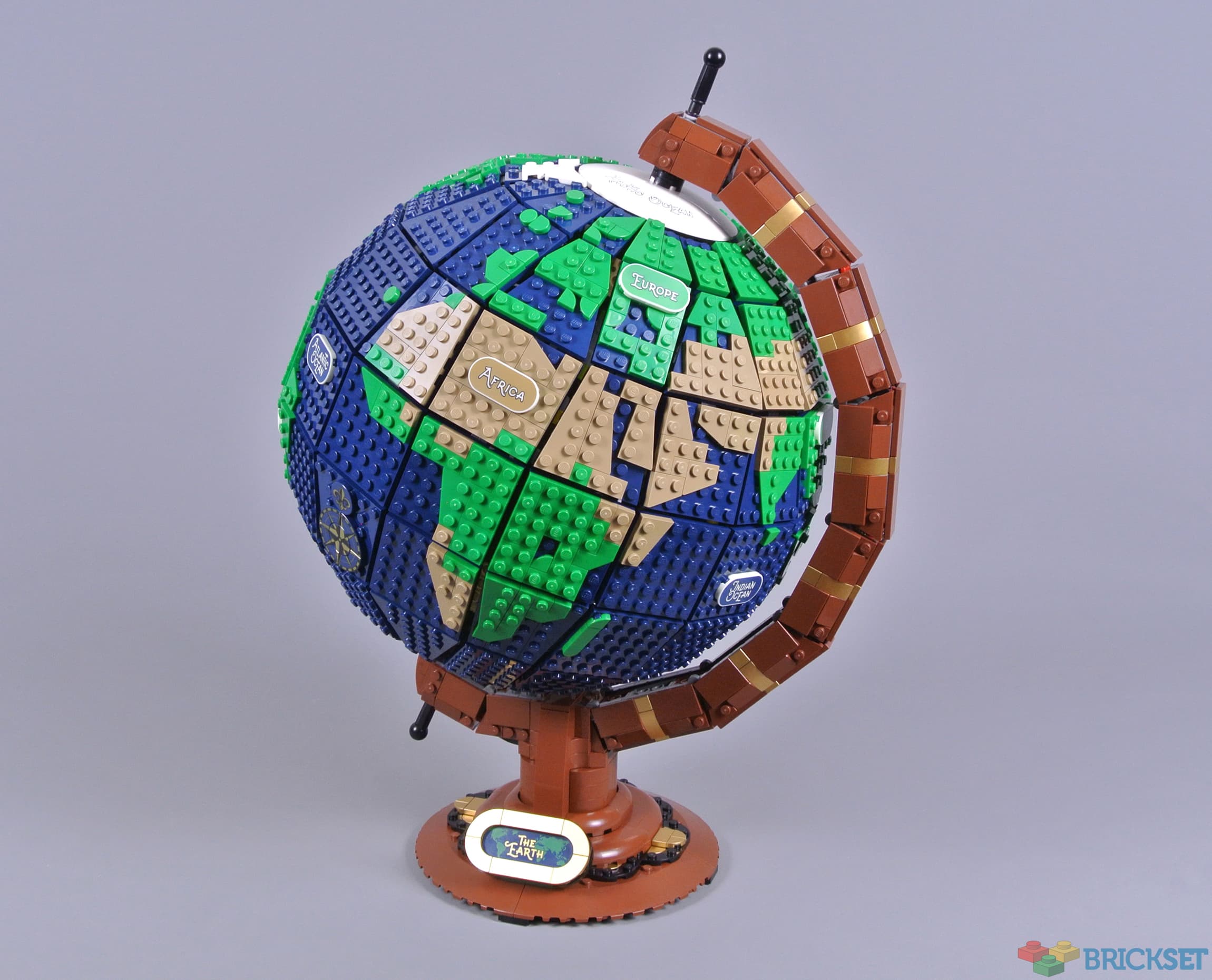
More than two millennia before smartphones and satellites, an ancient Greek librarian named Eratosthenes accomplished something extraordinary: he measured the entire planet with stunning accuracy. Today, his genius can be replicated not with fancy equipment, but with a handful of Lego bricks, a friend, and the Kenyan sun.
This isn't just a historical curiosity; it's a profound lesson in scientific thinking that resonates deeply with Kenya's push for practical, hands-on education. At a time when the Competency-Based Curriculum (CBC) encourages learners to solve real-world problems, this simple experiment demonstrates how critical thinking can unlock the universe's secrets using everyday objects.
Working in Alexandria, Egypt, around 240 BC, Eratosthenes observed a curious phenomenon. He knew that in a southern town called Syene, the sun shone directly down a well at noon on the summer solstice, casting no shadow. Yet, in his own city of Alexandria on the very same day, a vertical stick cast a distinct shadow.
He correctly reasoned that this difference was due to the Earth's curvature. The angle of the shadow in Alexandria, he calculated, was about 7.2 degrees. This angle represented the same fraction of the Earth's 360-degree circumference as the distance between the two cities. After determining the distance was about 800 kilometers, he did the maths and calculated the planet's circumference with less than a 2% error—a feat that remains astonishing.
Eratosthenes didn't have Lego, but his method is simple to adapt. This experiment offers a tangible way for parents and teachers to bring physics and geometry to life for young learners across Kenya.
Here’s how you can do it with a partner:
While details like ensuring your towers are perfectly vertical and measuring the distance accurately are crucial, the experiment's power lies in its simplicity. It proves that with careful observation and a curious mind, the most profound scientific truths are not confined to high-tech labs; they are accessible to anyone, anywhere. It's a reminder that the next great Kenyan scientist might not need a million-shilling laboratory, but perhaps just a box of bricks and a question about a shadow.
Keep the conversation in one place—threads here stay linked to the story and in the forums.
Sign in to start a discussion
Start a conversation about this story and keep it linked here.
Other hot threads
E-sports and Gaming Community in Kenya
Active 9 months ago
The Role of Technology in Modern Agriculture (AgriTech)
Active 9 months ago
Popular Recreational Activities Across Counties
Active 9 months ago
Investing in Youth Sports Development Programs
Active 9 months ago



