We're loading the full news article for you. This includes the article content, images, author information, and related articles.
Vice Chancellors warn that public universities face imminent collapse due to Sh70 billion in debt, demanding an urgent state bailout to keep campuses open.
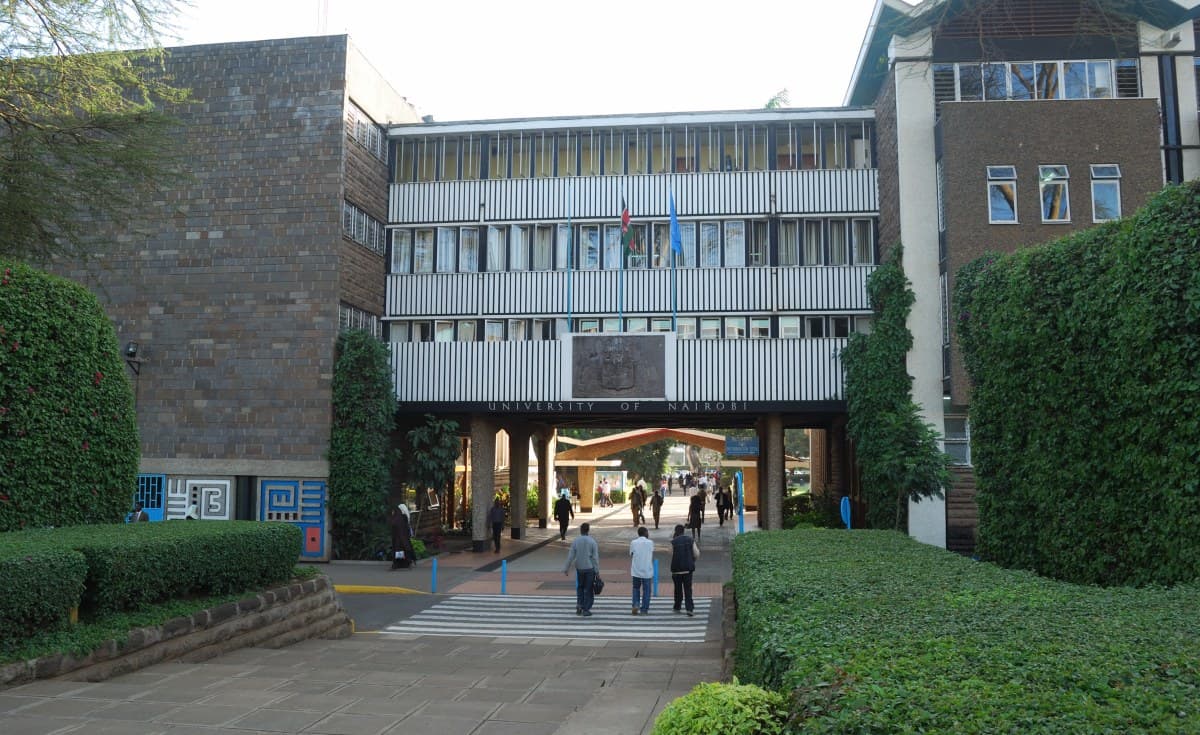
Kenya’s public universities are technically insolvent, saddled with mounting debts that now threaten the survival of the country’s higher education system, vice chancellors have told the National Assembly.
Appearing before lawmakers, the heads of public universities disclosed that total liabilities—owed to the Kenya Revenue Authority (KRA), pension schemes, utility providers, and suppliers—have ballooned to Sh70 billion, pushing several institutions to the edge of operational collapse.
“We are running on empty,” said the Chair of the Vice Chancellors’ Committee, painting a grim picture of universities struggling to meet basic obligations while continuing to admit students.
The vice chancellors are now seeking an immediate Sh20 billion government bailout to stabilise the sector and prevent enforcement actions that could paralyse learning. They warned that without urgent intervention, universities such as Egerton University and Moi University face the real risk of auctioneers seizing assets or shutting down operationsover unpaid debts.
Some institutions, they revealed, are already operating under threats of service disconnections, stalled procurement, and delayed salaries—conditions that undermine both academic quality and staff morale.
“This is no longer a future risk,” one VC told MPs. “It is a present crisis.”
At the heart of the crisis, university leaders argue, is a funding model that no longer reflects reality. They say government capitation has failed to keep pace with rising enrolments, inflation, and the true cost of delivering university education—particularly for students from needy and vulnerable backgrounds.
While the state has pushed universities to expand access, vice chancellors contend that funding allocations do not cover tuition shortfalls created by subsidised fees, leaving institutions to absorb the deficit year after year.
“The intention to support access is noble,” said one VC. “But the funding does not follow the student adequately. Universities are forced to borrow just to survive.”
The Sh70 billion debt burden spans multiple fronts:
Tax arrears owed to KRA
Unremitted pension contributions, exposing institutions to legal risk
Supplier debts, choking procurement and services
Utility bills, threatening power and water supply
Financial experts warn that the accumulation of statutory arrears is particularly dangerous, as it attracts penalties and enforcement actions that can quickly spiral out of control.
Education analysts caution that a collapse of public universities would have far-reaching national consequences—from stalled research and innovation to lost opportunities for thousands of students who rely on public institutions as their primary pathway to social mobility.
“Public universities are not just teaching centres,” said a higher education policy expert. “They are economic anchors for entire regions. If they fail, the ripple effects will be severe.”
The disclosures have placed Parliament under growing pressure to act—either through emergency funding, debt restructuring, or a comprehensive overhaul of the university financing framework.
Lawmakers now face a stark choice: intervene decisively or risk presiding over the slow implosion of Kenya’s public higher education system.
As the academic year continues under a cloud of uncertainty, vice chancellors insist that without swift policy and financial reforms, the gates of some of Kenya’s oldest universities may soon close—not for holidays, but for lack of cash.
Keep the conversation in one place—threads here stay linked to the story and in the forums.
Sign in to start a discussion
Start a conversation about this story and keep it linked here.
Other hot threads
E-sports and Gaming Community in Kenya
Active 9 months ago
The Role of Technology in Modern Agriculture (AgriTech)
Active 9 months ago
Popular Recreational Activities Across Counties
Active 9 months ago
Investing in Youth Sports Development Programs
Active 9 months ago