We're loading the full news article for you. This includes the article content, images, author information, and related articles.
In hidden workshops, Kyiv is building a formidable domestic weapons industry. This strategic pivot from reliance on Western aid to self-sufficiency is reshaping the war and holds stark lessons for nations like Kenya on sovereignty and security.
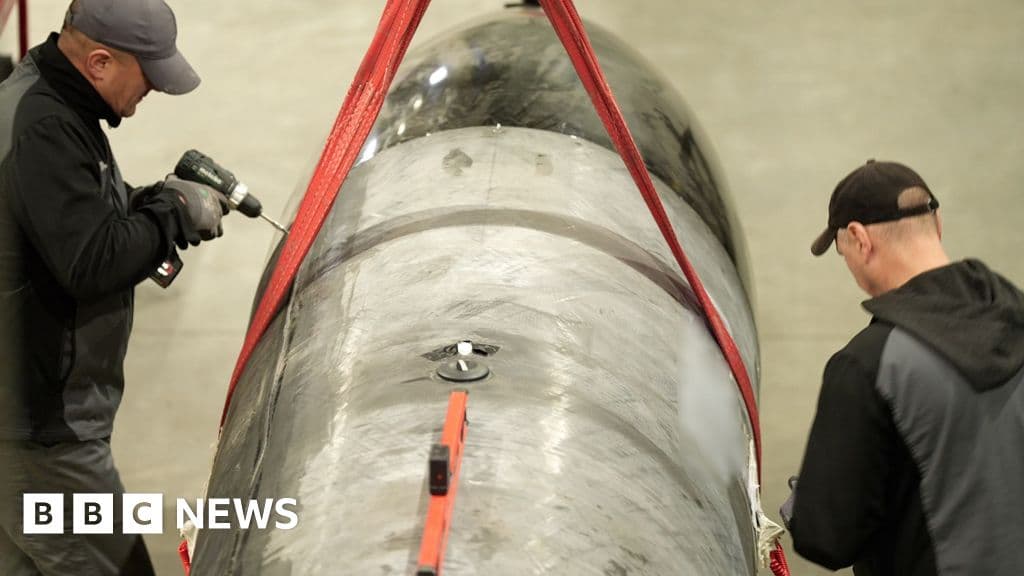
Deep within Ukraine, shielded from Russian satellites and spies, a revolution is being forged in steel and circuitry. We are driven, blindfolded, to a secret location where workers assemble the ‘Flamingo’ cruise missile—a symbol of Ukraine's defiant and rapidly expanding domestic arms industry.
This shift is not just a matter of national pride; it is a core survival strategy. For Kenya, a nation navigating its own complex regional security and economic pressures, Ukraine's story is a powerful case study in self-reliance. The war's disruption of global supply chains has already hit Kenyan households through volatile fuel and food prices, demonstrating how distant conflicts can directly impact the cost of living.
At the war's outset, Ukraine relied on its Soviet-era arsenal. Now, the landscape has dramatically changed. President Volodymyr Zelensky recently noted that domestically produced weapons account for a significant portion of the military's arsenal, with some reports claiming the figure is nearly 60%. This industrial surge is powered by a network of around 900 enterprises.
The innovation is most visible in unmanned systems. Ukraine has become a world leader in developing and deploying sophisticated drones and naval vessels, which have proven devastatingly effective against the larger Russian military. Key innovations include:
The conflict in Ukraine has served as a harsh reminder of Kenya's vulnerability to global shocks. The war triggered sharp increases in the cost of fertilizer, fuel, and wheat, a staple food for which Kenya heavily relies on imports from the region. One study suggested the war's economic impact may have cost Kenya up to 2.8% of its GDP in 2022. This underscores the critical importance of building local capacity, not just in agriculture, but in all strategic sectors, including defense.
Ukraine's journey offers a blueprint. By fostering a domestic defense ecosystem through initiatives like the Brave1 technology cluster, Kyiv has streamlined innovation, connecting developers directly with soldiers on the front lines. This agile approach, which cuts through bureaucracy, is a lesson for Kenya's own ambitions to grow its domestic manufacturing and defense capabilities.
"Ukraine can teach us, in particular, that you can build a drone for $350," noted Jane Harman, Chair of the U.S. Commission on the National Defense Strategy, highlighting the incredible speed and cost-effectiveness of Ukrainian innovation. As Iryna Terekh, the chief technical officer of arms manufacturer Fire Point emphasized, the driving ethos is one of necessity: "if not us, then who".
As the conflict evolves, Ukraine's ability to produce its own tools of survival is not just changing the battlefield—it's sending a clear message globally. For nations like Kenya, that message is about the urgent need for strategic independence in an increasingly unpredictable world.
Keep the conversation in one place—threads here stay linked to the story and in the forums.
Sign in to start a discussion
Start a conversation about this story and keep it linked here.
Other hot threads
E-sports and Gaming Community in Kenya
Active 9 months ago
The Role of Technology in Modern Agriculture (AgriTech)
Active 9 months ago
Popular Recreational Activities Across Counties
Active 9 months ago
Investing in Youth Sports Development Programs
Active 9 months ago