We're loading the full news article for you. This includes the article content, images, author information, and related articles.
Stagnant transplant rates in the UK have left hundreds of patients, including those with cystic fibrosis, in a perpetual cycle of uncertainty and delay.
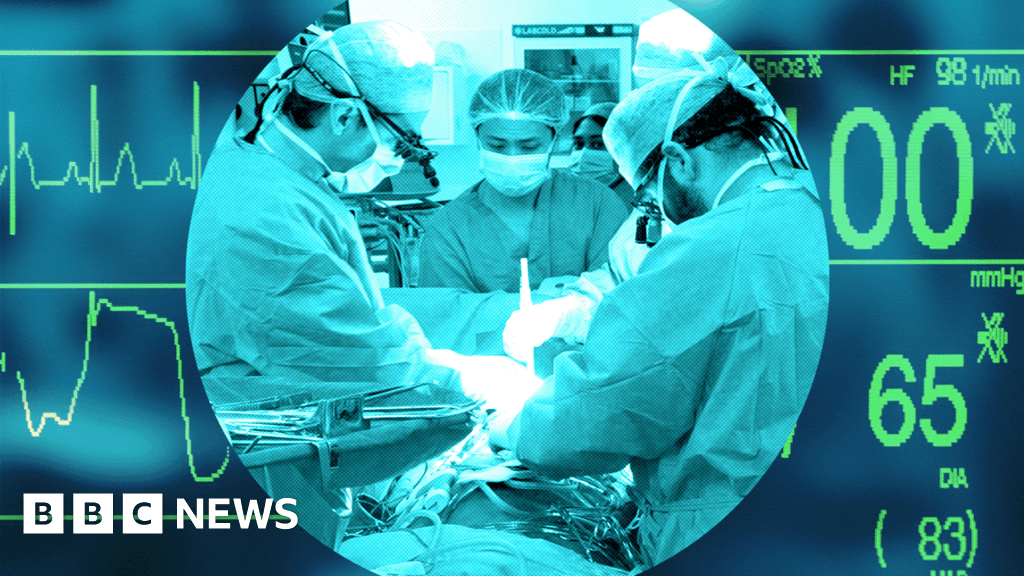
Jodie Cantle lives in a state of suspended animation. At 34, she is perpetually tethered to an oxygen cylinder, her life dictated by the fragile promise of a double lung transplant that remains perpetually out of reach. For seven years, she has been the face of a mounting crisis within the United Kingdom’s healthcare sector: she has been offered life-saving organs on 17 separate occasions, only for each procedure to be cancelled at the eleventh hour. Her story is not an anomaly, but a symptom of a systemic collapse within one of the world’s most renowned medical frameworks.
While the United Kingdom once stood as the global vanguard for organ transplantation, recent data confirms a disturbing trend of stagnation. The number of heart and lung transplants performed annually by the National Health Service (NHS) has remained largely flat for three decades. This plateau is occurring against a backdrop of increasing medical demand, creating a widening chasm between those who require life-saving intervention and the availability of the surgical infrastructure to provide it.
The failure of the UK transplant system is not a sudden catastrophe but a slow-motion erosion of operational efficiency. Investigative reports, including findings from BBC File on 4, point to a confluence of factors: outdated medical technology, insufficient capital investment in surgical facilities, and a concerning exodus of senior surgeons who are seeking more stable environments abroad. Unlike the dynamic, high-performing systems seen in nations like Spain—which consistently hits world-leading donation and transplant rates through aggressive coordination and opt-out legislation—the UK appears trapped in an administrative and infrastructural loop.
The human cost of this inefficiency is visceral. Patients waiting for lungs or hearts face deteriorating health that often necessitates intensive and costly palliative care, further straining an already overburdened NHS budget. The uncertainty for families is immense the psychological toll of preparing for a surgery that is subsequently called off multiple times leaves patients like Cantle in a state of professional and personal paralysis, unable to plan for a future that is constantly on hold.
For observers in Nairobi, the struggle within the UK’s transplant system offers a stark counterpoint to Kenya’s own trajectory. While the NHS grapples with decades of inertia, Kenya’s healthcare sector is undergoing a period of rapid, albeit challenging, expansion. Kenyatta National Hospital (KNH) and the Kenyatta University Teaching, Referral & Research Hospital (KUTRRH) have been actively scaling up their transplant programs, particularly in renal surgery. These institutions are demonstrating what can be achieved when new infrastructure is paired with aggressive training for local specialists.
In 2025, KUTRRH marked a significant milestone with its first successful kidney transplants, signaling a shift toward medical independence. While Kenya still faces hurdles—including the high cost of post-transplant immunosuppressant medications and the need for a robust, national organ procurement framework—the momentum is decidedly positive. Kenyan medical officials, aiming to curb the historical trend of medical tourism where patients sought treatment abroad, are currently proving that advanced surgical care can be delivered locally with international-standard success rates of over 95% in renal grafts.
The UK government has acknowledged the urgency, signaling its intention to demand that the NHS implement reforms first proposed in 2024. These reforms aim to make transplant services fit for the future, but experts warn that policy directives are hollow without tangible resource allocation. The NHS is heavily reliant on a workforce that is stretched thin, and without an immediate influx of investment to modernize facilities and retain surgical talent, the goal of reducing the waiting list remains a theoretical ambition rather than a clinical reality.
Ultimately, the crisis in British transplantation is a reminder that even the most established health systems are vulnerable to decay when innovation slows. As patients like Cantle continue to wait, the debate has shifted from medical capability to political and institutional will. The question is no longer whether the expertise exists to save these lives, but whether the system has the appetite to overcome its own inertia and deliver the life-saving results the public demands.
For nations watching closely, the lesson is clear: progress in transplantation is not merely about surgical skill, but about the relentless, daily pursuit of organizational efficiency and investment in the future of the human spirit.
Keep the conversation in one place—threads here stay linked to the story and in the forums.
Sign in to start a discussion
Start a conversation about this story and keep it linked here.
Other hot threads
E-sports and Gaming Community in Kenya
Active 10 months ago
The Role of Technology in Modern Agriculture (AgriTech)
Active 10 months ago
Popular Recreational Activities Across Counties
Active 10 months ago
Investing in Youth Sports Development Programs
Active 10 months ago



