We're loading the full news article for you. This includes the article content, images, author information, and related articles.
As London launches a multi-billion-shilling plan to remove crumbling concrete from its schools by 2029, the crisis serves as a stark warning for Kenya, highlighting systemic issues of underfunding, poor workmanship, and lack of maintenance in its own educational facilities.
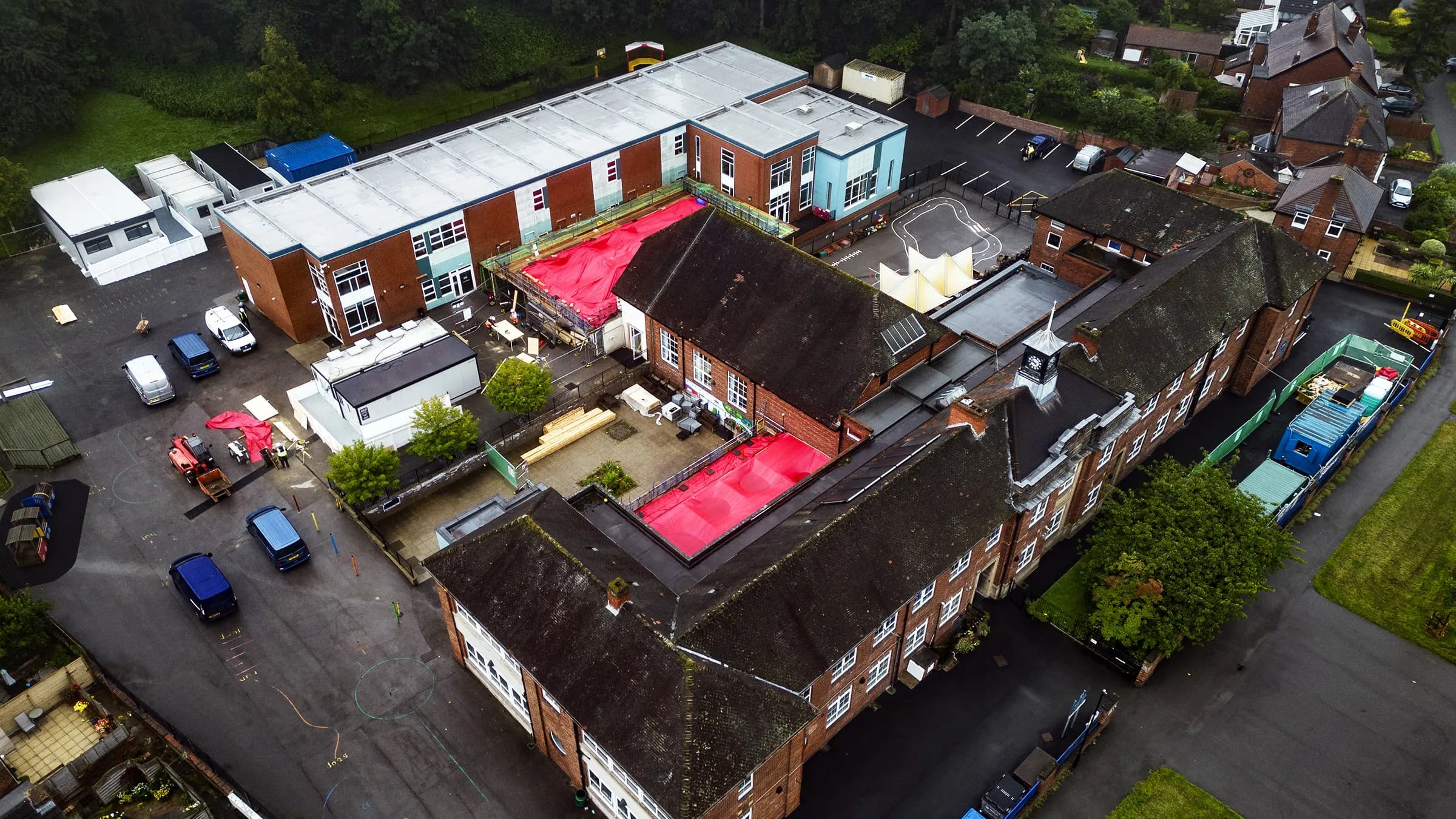
LONDON, United Kingdom – The British government has set a firm deadline to eradicate a dangerous form of lightweight concrete from all affected schools in England, promising a resolution to a crisis that has disrupted the education of thousands. On Tuesday, 28 October 2025, UK Education Secretary Bridget Phillipson announced that all 237 schools identified with Reinforced Autoclaved Aerated Concrete (RAAC) will be permanently remediated by the end of the current parliament, projected for 2029.
The announcement addresses a national safety concern that escalated in September 2023, when over 100 schools were forced to partially or fully close just days before the start of the academic year due to the risk of structural collapse. RAAC, a material used in construction between the 1950s and mid-1990s, is prone to deterioration and has a limited lifespan, making it a ticking time bomb in public buildings. The UK government confirmed that 62 schools have already had the material removed, with 108 more receiving grants for removal works and another 123 slated for complete reconstruction under the School Rebuilding Programme.
“We inherited a crumbling education estate, but I won’t let that be our legacy,” Phillipson stated, framing the initiative as a commitment to providing safe and high-quality learning environments.
While there is no evidence to suggest the widespread use of RAAC in Kenyan school construction, the UK's predicament offers a critical cautionary tale for Nairobi. Kenya faces its own profound and persistent challenges regarding school infrastructure, rooted in inadequate funding, lack of regulatory oversight, and frequent instances of shoddy workmanship.
A November 2021 report by Auditor-General Nancy Gathungu revealed systemic neglect, noting that the Ministry of Education has not prioritised infrastructure development. The report found that over a ten-year period, only 2,265 of approximately 22,000 public primary schools—just 10%—received funding from the School Infrastructure Improvement Grant. The average grant of KSh 648,543 was deemed sufficient for only a single classroom, leaving the vast majority of schools to grapple with dilapidated buildings.
These official findings are corroborated by numerous on-the-ground incidents that underscore the daily risks faced by Kenyan students and teachers. In September 2019, the collapse of a classroom at Precious Talent Academy in Nairobi killed eight pupils and injured over 60, with investigations pointing to poor construction. Similar incidents have been reported in Kakamega, Kisii, and Homa Bay counties, often attributed to weak structural designs and substandard materials. A 2024 Ministry of Education audit found 348 boarding primary and junior schools to be unsafe, lacking solid structures and failing to meet basic requirements under the national Safety Standards Manual.
The UK's reactive, high-cost crisis management—involving billions of pounds—highlights the economic and social costs of deferring maintenance. In Kenya, experts and officials have long called for a more proactive approach. The Auditor-General's report explicitly recommended that the Ministry of Education conduct a comprehensive nationwide assessment to develop a sustainable, long-term policy for infrastructure development and maintenance. Currently, the Basic Education Act of 2013 provides guidelines on class sizes but lacks specificity on construction materials and maintenance standards, creating a regulatory vacuum.
Further compounding the issue, a July 2025 audit uncovered mismanagement of a KSh 6.6 billion fund for school infrastructure projects across 30 counties, flagging stalled projects, suspicious payments, and an absence of oversight. Reports in early 2024 also exposed how National Government Constituency Development Fund (NG-CDF) projects in constituencies like Kimilili and Aldai resulted in structurally unsound classrooms, directly endangering learners.
As the UK government commits to a clear timeline and significant investment to secure its schools, the situation provides a powerful lesson for Kenya. The safety of millions of Kenyan children depends not on responding to tragedies after they occur, but on implementing rigorous, preventative measures, including mandatory structural audits, enforcing strict building codes, and ensuring transparent and sufficient funding for the maintenance of all public educational institutions. Without such a shift, Kenya remains vulnerable to its own version of a crumbling concrete crisis.
Keep the conversation in one place—threads here stay linked to the story and in the forums.
Sign in to start a discussion
Start a conversation about this story and keep it linked here.
Other hot threads
E-sports and Gaming Community in Kenya
Active 9 months ago
The Role of Technology in Modern Agriculture (AgriTech)
Active 9 months ago
Popular Recreational Activities Across Counties
Active 9 months ago
Investing in Youth Sports Development Programs
Active 9 months ago



