We're loading the full news article for you. This includes the article content, images, author information, and related articles.
The United Kingdom has declared that "nothing is off the table" as it navigates the turbulence of proposed US global tariffs, a stance with profound implications for interconnected markets across East Africa.
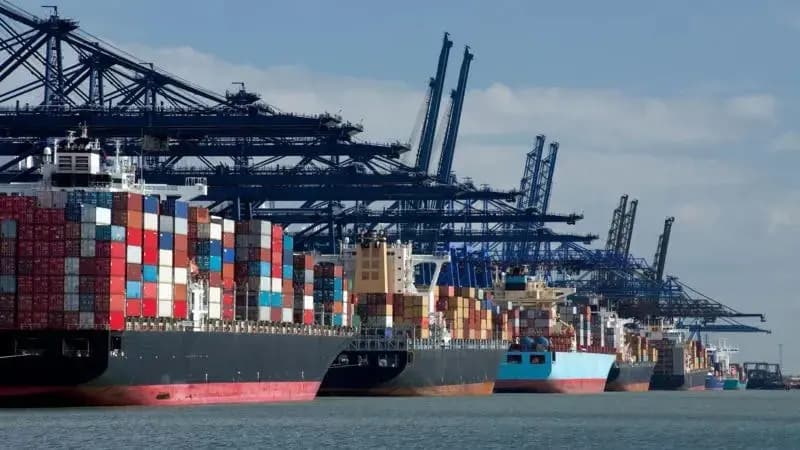
The United Kingdom has declared that "nothing is off the table" as it navigates the turbulence of proposed US global tariffs, a stance with profound implications for interconnected markets across East Africa.
Global trade is bracing for a seismic shift. Following the unexpected announcement of a 15% global tariff by the United States, Downing Street has signalled its readiness to retaliate, sparking fears of a trans-Atlantic trade war.
For Kenya and the broader East African community, this geopolitical friction is not merely a distant headline; it is an impending economic reality that threatens to destabilise local supply chains and currency valuations.
The US Supreme Court recently outlawed a significant portion of the global tariffs proposed the previous year, citing presidential overreach. However, the revised 15% tariff structure selectively excludes key sectors such as steel, aluminium, and aerospace—industries that dominate UK-US trade. Despite these carve-outs, British officials remain deeply concerned about the broader economic fallout and the precedent of unilateral trade barriers.
Analysts warn that the UK risks suffering some of the most severe economic losses from this new tariff policy. The British pound is already experiencing volatility, a trend that directly impacts the exchange rates for emerging markets, including the Kenyan Shilling (KES).
While the immediate conflict lies between Washington and London, the ripple effects will inevitably reach the shores of Mombasa and the boardrooms of Nairobi. The Kenyan economy relies heavily on stable international markets for its agricultural exports and technology sector investments. A trade war between two major bilateral partners could lead to severe consequences:
Furthermore, as the UK considers reciprocal measures, global supply chains may face bottlenecks, driving up inflation in import-dependent nations across East Africa.
The legal distinction between broad legislation and sector-specific tariffs complicates the global response. Trade experts note that the legislation required to impose these tariffs varies significantly, potentially shifting trade advantages among different nations. For instance, countries previously criticised by the US, such as China and Brazil, might paradoxically benefit if the 15% rate is lower than their existing punitive tariffs.
For Kenyan policymakers, navigating this landscape requires a delicate diplomatic and economic strategy. The Ministry of Investments, Trade and Industry must actively monitor these developments to safeguard local industries and maintain export competitiveness in an increasingly protectionist global environment.
"When elephants fight, it is the grass that suffers; East Africa must fortify its economic resilience against these looming trade wars."
Keep the conversation in one place—threads here stay linked to the story and in the forums.
Sign in to start a discussion
Start a conversation about this story and keep it linked here.
Other hot threads
E-sports and Gaming Community in Kenya
Active 9 months ago
The Role of Technology in Modern Agriculture (AgriTech)
Active 9 months ago
Popular Recreational Activities Across Counties
Active 9 months ago
Investing in Youth Sports Development Programs
Active 9 months ago