We're loading the full news article for you. This includes the article content, images, author information, and related articles.
**A massive £120 million (approx. KES 22.4 billion) government bailout for a billionaire's chemical plant in Scotland raises critical questions about industrial strategy and offers stark lessons for Kenya's own manufacturing ambitions.**

The British government has injected £120 million (approx. KES 22.4 billion) to save the UK's last ethylene plant, a move designed to protect 500 jobs and a vital piece of national infrastructure. The deal, part of a larger £150 million (approx. KES 27.9 billion) joint investment with the plant's owner, Ineos, has ignited a fierce debate on the role of the state in industry.
For Kenya, this high-stakes intervention thousands of miles away is more than just a foreign headline. It's a real-world case study in the challenges of protecting a nation's industrial base, resonating with Nairobi's own goals to bolster manufacturing under economic blueprints like Vision 2030.
The Grangemouth plant in Scotland, owned by billionaire Sir Jim Ratcliffe, is a linchpin of the UK economy. The ethylene it produces is essential for manufacturing a vast range of products, from medical-grade plastics and water treatment chemicals to components for the aerospace and automotive industries. Without the government's support package, the facility faced an uncertain future amid soaring energy costs that have crippled European chemical producers.
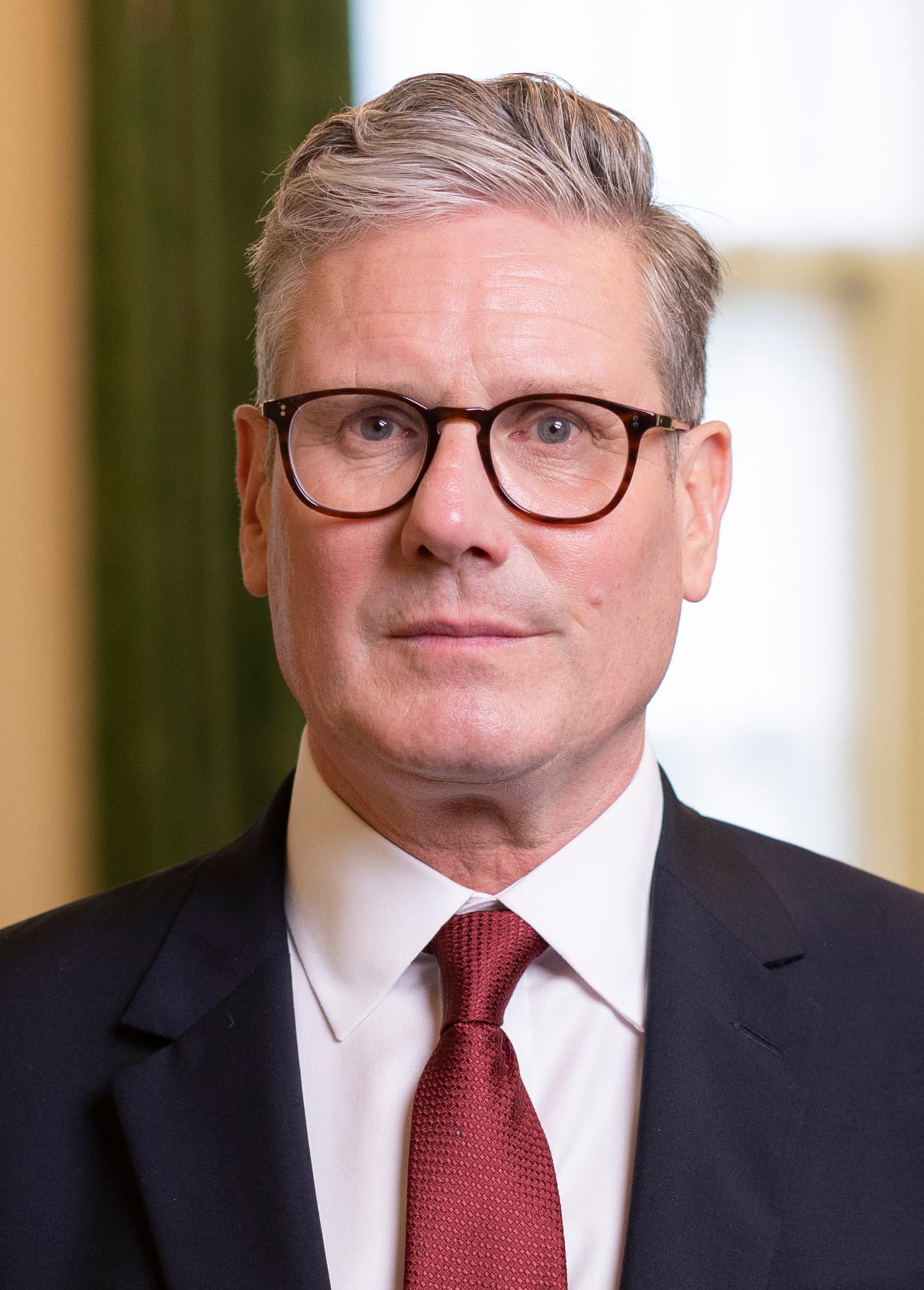
UK Prime Minister Keir Starmer defended the investment as proof his government would "invest in Britain’s future." In a statement, he emphasized the deal was about "good jobs, stronger communities, and a modern economy that works for everyone." Ineos, which is contributing £30 million (approx. KES 5.5 billion) to the package, noted the support "preserves the industrial capability the nation needs."
The UK's dramatic move to save a single factory underscores a global trend of governments taking a more active role in shielding strategic industries. This presents a powerful mirror to Kenya, which also identifies manufacturing as a key pillar for economic growth but faces its own hurdles.
The UK-Kenya trade relationship is robust, with Kenya importing significant quantities of chemicals and machinery from Britain. While a 2020 Economic Partnership Agreement (EPA) secured tariff-free access for Kenyan goods to the UK, local manufacturers still grapple with challenges that echo the UK's industrial pressures. These include:
As the UK government gambles billions to secure its manufacturing future, policymakers in Nairobi are undoubtedly watching. The Grangemouth bailout is a clear signal that even the most advanced economies are not immune to industrial decline, making the choices Kenya makes today on its own path to self-reliance more critical than ever.
Keep the conversation in one place—threads here stay linked to the story and in the forums.
Sign in to start a discussion
Start a conversation about this story and keep it linked here.
Other hot threads
E-sports and Gaming Community in Kenya
Active 10 months ago
Popular Recreational Activities Across Counties
Active 10 months ago
The Role of Technology in Modern Agriculture (AgriTech)
Active 10 months ago
Investing in Youth Sports Development Programs
Active 10 months ago
Key figures and persons of interest featured in this article