We're loading the full news article for you. This includes the article content, images, author information, and related articles.
The United Kingdom’s Foreign Secretary, Yvette Cooper, has categorically denied that Britain is being dragged into an Iraq-style quagmire, even as the escalating US-Israel-Iran war triggers severe economic disruptions.

The United Kingdom’s Foreign Secretary, Yvette Cooper, has categorically denied that Britain is being dragged into an Iraq-style quagmire, even as the escalating US-Israel-Iran war triggers severe economic and logistical disruptions reaching as far as Kenya.
Cooper dismissed the escalating fears on Monday, asserting that defensive military support does not equate to endless war. Meanwhile, global supply chains brace for impact.
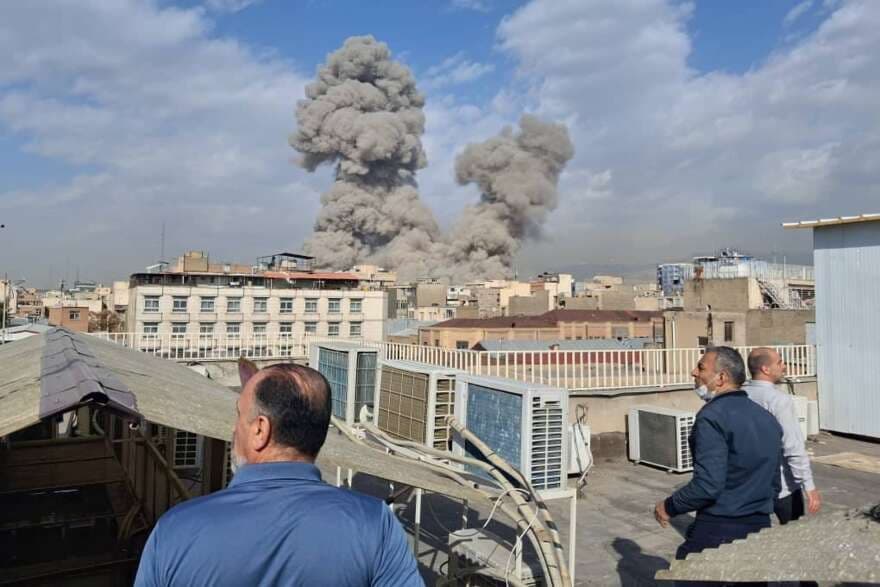
This geopolitical firestorm ignited following targeted US-Israeli strikes that reportedly killed Iran’s supreme leader, prompting massive retaliatory barrages across the Middle East. As Western powers scramble to evacuate citizens and secure military assets, the resulting shockwaves are tearing through the global economy, presenting critical and immediate challenges for the East African region.
The UK government is currently architecting an unprecedented crisis response. Foreign Secretary Cooper confirmed that contingency plans are under active consideration to evacuate an estimated 300,000 British nationals stationed across the volatile Middle East region. This massive logistical undertaking highlights the severe threat level perceived by Western intelligence following the drone strike on the RAF Akrotiri base in Cyprus.
The British stance remains firmly defensive. Prime Minister Keir Starmer’s decision to permit the United States to launch strikes from UK military bases aims to neutralize Iranian missile capabilities pointed at Western allies. However, this strategic alignment has drawn fierce criticism from opposition parties who warn of sleepwalking into a protracted conflict with no defined endgame, drawing chilling parallels to the 2003 Iraq invasion.
Despite Cooper’s assurances that the UK is engaging in a "diplomatic process" and strictly defensive maneuvers, the reality on the ground reflects a rapidly expanding theatre of war. Hundreds of commercial flights have been grounded, creating the most significant global travel chaos since the Covid-19 pandemic. The airspace closures are severing vital connectivity corridors between Europe, the Middle East, and Africa.
For Kenya, a conflict situated thousands of miles away translates into immediate domestic economic pain. The most severe and immediate threat lies in the global energy market. Following the Iranian Revolutionary Guard's threats to close the Strait of Hormuz—a maritime chokepoint handling roughly 20 percent of the world's oil—Brent crude prices have spiked dramatically. This escalation guarantees a surge in domestic fuel prices regulated by the Energy and Petroleum Regulatory Authority (EPRA).
Any increase in petroleum costs creates a domino effect across the Kenyan economy. Transportation and logistics costs will inflate, driving up the prices of basic agricultural commodities and manufactured goods. The resulting inflationary pressure threatens to reverse the recent economic stabilization efforts orchestrated by the Central Bank of Kenya, placing further strain on the ordinary citizen.
The geopolitical crisis has generated several immediate risk vectors for the East African economy:
The rerouting of international shipping is strangling regional logistics. Major maritime conglomerates, including Maersk, have explicitly paused operations through the Bab el-Mandeb Strait and the Suez Canal. Vessels destined for Mombasa are now forced to navigate the significantly longer route around the southern tip of Africa, adding weeks to transit times and exponentially increasing freight charges.
This logistical bottleneck affects everything from the importation of heavy machinery and electronics to the exportation of Kenya's vital tea and horticultural products. The delay in agricultural exports threatens to compromise the quality of perishable goods, directly impacting the revenue streams of local farmers and large-scale agricultural enterprises reliant on the European and Middle Eastern markets.
Furthermore, the conflict threatens the stability of the global fertilizer supply. With major production facilities situated in the affected regions, any protracted war could lead to severe shortages. The Kenyan agricultural sector, heavily dependent on imported fertilizers for staple crop production, faces the grim prospect of reduced yields and compromised food security in the upcoming harvest season.
The African Union has urgently called for de-escalation. AU Commission Chairperson Mahmoud Ali Youssouf warned that further instability carries devastating implications for African economic resilience. The continental body is urging the prioritization of diplomatic backchannels, emphasizing that the collateral damage of a Middle Eastern war will disproportionately affect developing nations already grappling with debt and climate crises.
Kenya’s foreign policy apparatus is closely monitoring the situation, balancing its strong strategic alliances with Western powers against the imperative of regional stability. The government must prepare robust economic shock absorbers to shield the domestic market from the impending geopolitical fallout.
"When the titans clash in the Gulf, it is the emerging markets that inevitably absorb the deepest economic fractures."
Keep the conversation in one place—threads here stay linked to the story and in the forums.
Sign in to start a discussion
Start a conversation about this story and keep it linked here.
Other hot threads
E-sports and Gaming Community in Kenya
Active 9 months ago
The Role of Technology in Modern Agriculture (AgriTech)
Active 9 months ago
Popular Recreational Activities Across Counties
Active 9 months ago
Investing in Youth Sports Development Programs
Active 9 months ago