We're loading the full news article for you. This includes the article content, images, author information, and related articles.
With just 16 days to the vote, the Electoral Commission races to distribute 21 million ballots as the Museveni-Bobi Wine rematch keeps the region on edge.
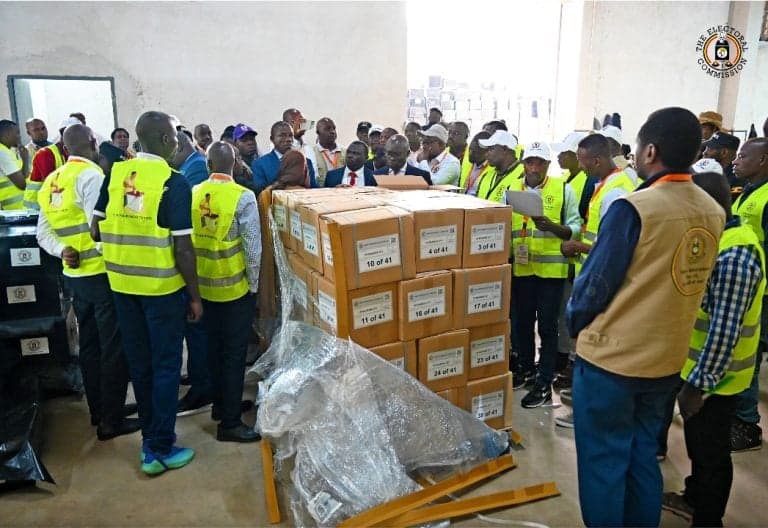
The countdown to East Africa’s most watched political contest has officially entered its final, irreversible phase. On Monday, December 29, Uganda’s Electoral Commission (EC) broke the seals on 193 pallets of presidential ballot papers, commencing a high-security packing operation that signals the logistical point of no return for the January 15, 2026, general election.
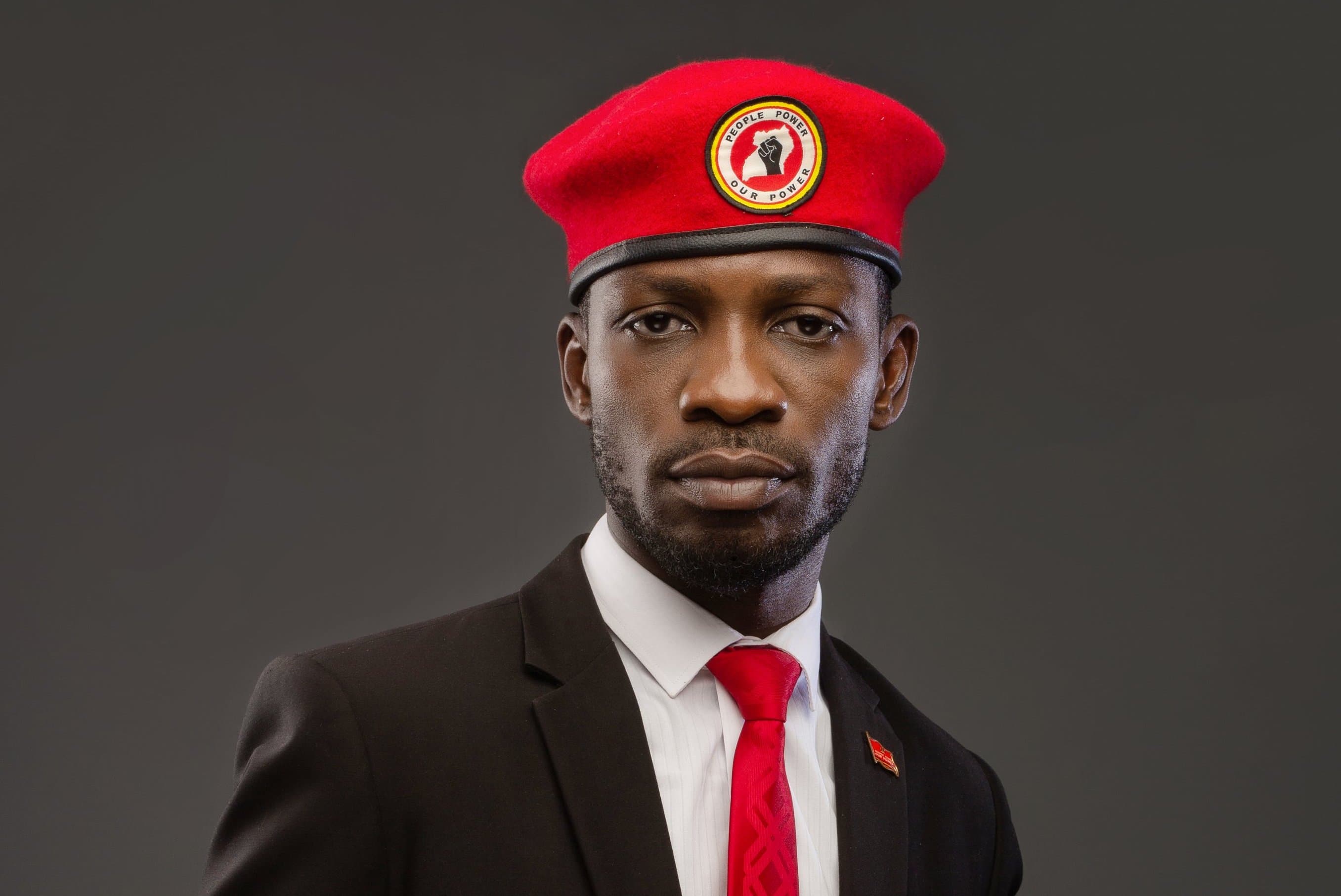
For the casual observer, it is a routine administrative task. But for the millions of Ugandans hoping for change—and the Kenyan traders nervously watching the border—the unboxing of these papers at the EC’s warehouses is the first tangible sign that the die is cast. The ballots, freshly arrived from Dubai, carry the names of eight candidates, but the nation’s eyes are fixed on only two: President Yoweri Museveni, seeking to extend his four-decade rule, and Robert Kyagulanyi, the pop star-turned-politician known globally as Bobi Wine.
The logistics mirror a script familiar to Kenyan voters. The ballots were printed by Al Ghurair Printing and Publishing in Dubai—a firm whose involvement in regional elections often sparks heated debate. EC Chairperson Justice Simon Byabakama confirmed the consignment arrived aboard a chartered cargo flight at Entebbe International Airport on Christmas Eve, under heavy guard.
“This exercise is being conducted in full view of party agents to ensure transparency,” Justice Byabakama noted during the launch of the packing process. He emphasized that the 21.6 million ballots printed slightly exceed the number of registered voters to account for spoilage—a standard practice that nonetheless drew sharp questions from opposition agents present at the warehouse.
While the EC projects confidence, the political atmosphere is thick with suspicion. The National Unity Platform (NUP), led by Kyagulanyi, has already flagged what it calls “glaring irregularities” in the voter register. Opposition officials allege the existence of duplicate names and “ghost voters” in NRM strongholds—claims the EC has dismissed as baseless.
“We are watching every seal and every box,” a NUP representative warned outside the warehouse. “Paper trails do not lie, but the systems behind them can.” This rhetoric has heightened anxiety in Kampala, where memories of the violent 2021 polls remain fresh. For the opposition, the packing process is not just logistics; it is the first line of defense against alleged rigging.
For Kenyans, the stakes in this election go beyond neighborly curiosity. Uganda is Kenya’s single largest trading partner, absorbing billions of shillings in exports annually. Any disruption to the transport corridor—stretching from Mombasa to Malaba—hits Kenyan pockets immediately.
Analysts in Nairobi warn that a disputed outcome could slow cross-border trade, which has only just recovered from recent global shocks. “If Kampala sneezes, the Port of Mombasa catches a cold,” notes regional trade analyst James Shikwati. “A peaceful transition or continuation is critical for the shilling.”
As the trucks begin rolling out to the districts later this week, the region holds its breath. The ballots are packed, the stage is set, and for better or worse, the pearl of Africa is ready to decide.
Keep the conversation in one place—threads here stay linked to the story and in the forums.
Sign in to start a discussion
Start a conversation about this story and keep it linked here.
Other hot threads
E-sports and Gaming Community in Kenya
Active 9 months ago
The Role of Technology in Modern Agriculture (AgriTech)
Active 9 months ago
Popular Recreational Activities Across Counties
Active 9 months ago
Investing in Youth Sports Development Programs
Active 9 months ago
Key figures and persons of interest featured in this article