We're loading the full news article for you. This includes the article content, images, author information, and related articles.
Eight orphaned siblings in Uasin Gishu face a bleak future as extreme poverty locks them out of school, despite one securing a spot at Eldoret High.
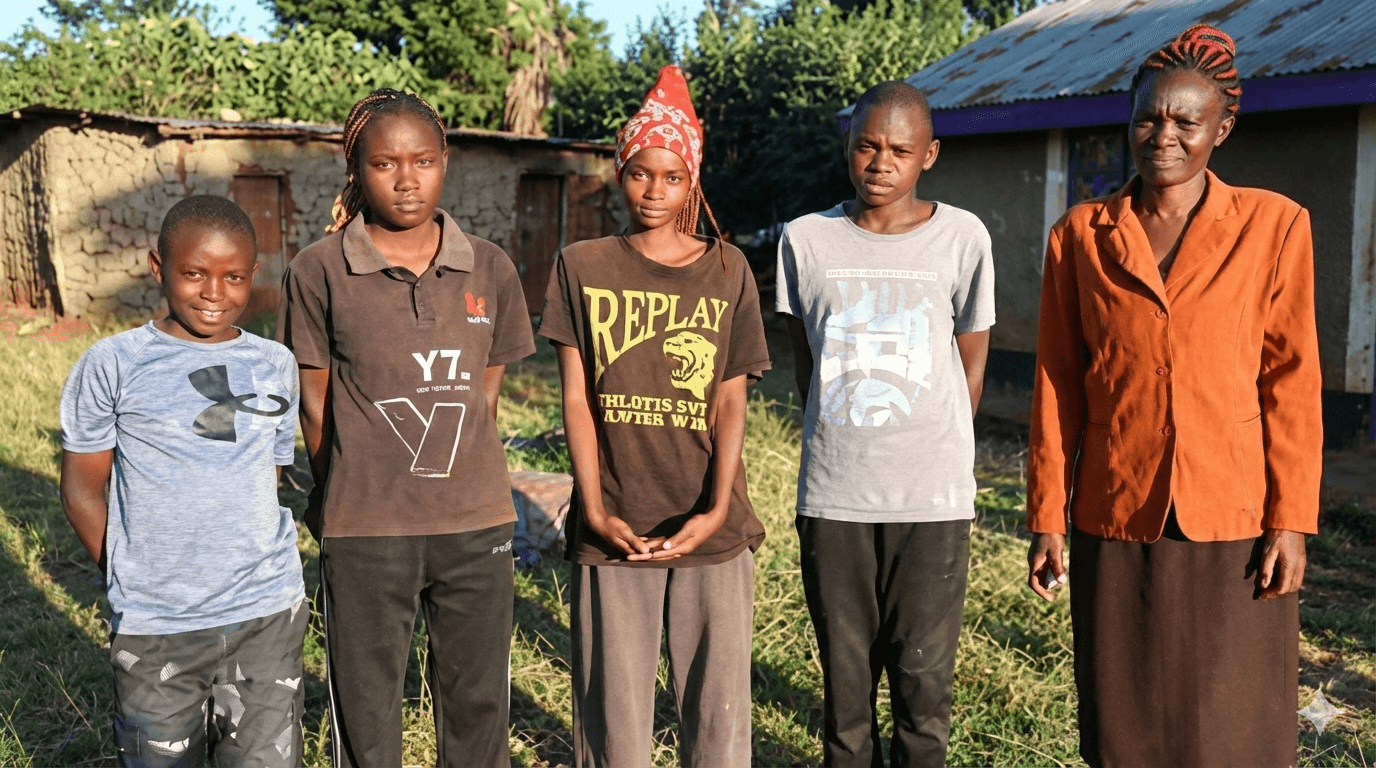
In the verdant heartland of Uasin Gishu, a quiet tragedy is unfolding as eight orphaned siblings face a future stripped of dignity and opportunity. Despite the promise of free primary education, the harsh reality of destitution has slammed the classroom doors shut for this vulnerable family, exposing the gaping cracks in Kenya’s social safety net.
Deep inside a dusty village in Uasin Gishu County, the eight children sit idle while their peers settle into the first term of the 2026 academic year. Their guardian, a washerwoman whose calloused hands earn a meager living from doing laundry for neighbors, has admitted defeat. "I work as a casual laborer washing clothes," she confided to local administrators, her voice trembling. "What I earn is too little to even sustain us with food. Sometimes the children sleep hungry." This admission lays bare a systemic failure: when survival is a daily battle, education becomes an unaffordable luxury.
The most heartbreaking casualty of this crisis is Fidel James Otieno, a bright young scholar whose potential is currently being wasted at home. Fidel secured a coveted spot at Eldoret High School—a ticket to a better life—but without a shilling for fees or uniform, his admission letter is nothing more than a painful reminder of what could be. "I feel very bad because I was called to Eldoret High School," Fidel told reporters, clutching the letter that should have been his passport to the future. His plight is not isolated but symptomatic of a broader national crisis where transition rates to Senior School are plummeting among the urban and rural poor.
The family’s desperation drove them to the office of the local administrator, Chief Esther Akoth Wesonga. While the Chief acknowledges the severity of the situation, the state's machinery has offered little more than paperwork. "I had to go to the chief to seek help so that the children could go to school," the guardian explained. The result was a stamped letter authorizing them to solicit funds from well-wishers—a bureaucratic bandage on a hemorrhage of poverty. The children remain at home.
Neighbors paint a grim picture of the siblings' existence, describing a life of isolation and hunger. The community has rallied with small donations of maize and beans, but charity is a stopgap, not a solution. "These children are bright," says a neighbor. "If Fidel goes to school, he pulls the others up. If he stays, they all sink." The burden now shifts to the Ministry of Education and county leadership to intervene before these eight lives are permanently relegated to the underclass.
As the sun sets over Uasin Gishu, Fidel James Otieno does not dream of university or a career; he dreams of a uniform. His guardian does not dream of retirement; she dreams of a day where her children eat lunch. Until the government's policy of "100% Transition" moves from paper to practice for families like this, Kenya’s promise of education as an equalizer remains a cruel myth.
Keep the conversation in one place—threads here stay linked to the story and in the forums.
Sign in to start a discussion
Start a conversation about this story and keep it linked here.
Other hot threads
E-sports and Gaming Community in Kenya
Active 9 months ago
The Role of Technology in Modern Agriculture (AgriTech)
Active 9 months ago
Popular Recreational Activities Across Counties
Active 9 months ago
Investing in Youth Sports Development Programs
Active 9 months ago



