We're loading the full news article for you. This includes the article content, images, author information, and related articles.
In a bold pivot from oil to algorithms, Abu Dhabi is constructing a 5-gigawatt data facility that dwarfs East Africa’s entire energy grid.

Deep in the Abu Dhabi sands, a digital behemoth is rising—a technology campus so vast it rivals the footprint of a European city. Cranes are currently assembling what will become a 25-square-kilometre artificial intelligence hub, roughly a quarter the size of Paris, in the United Arab Emirates' most aggressive bet yet on a post-oil future.
This is not merely a construction project; it is a geopolitical statement. As the world moves away from fossil fuels, the UAE is racing to secure its position as a global superpower in the new currency of the digital age: data.
For the Kenyan observer, the scale of this project is almost difficult to comprehend without a local yardstick. The campus, spearheaded by Emirati AI giant G42 and its subsidiary Khazna Data Centers, is designed to consume five gigawatts (GW) of electricity.
To put that into perspective, Kenya’s entire national installed power capacity—including all our geothermal, hydro, and wind plants—stands at approximately 3.3 GW. This single facility in the desert will consume roughly 50% more power than the entire nation of Kenya.
"The UAE is punching above its weight because it's a very small country that really wants to be at the forefront," noted Johan Nilerud, Chief Strategy Officer at Khazna Data Centers.
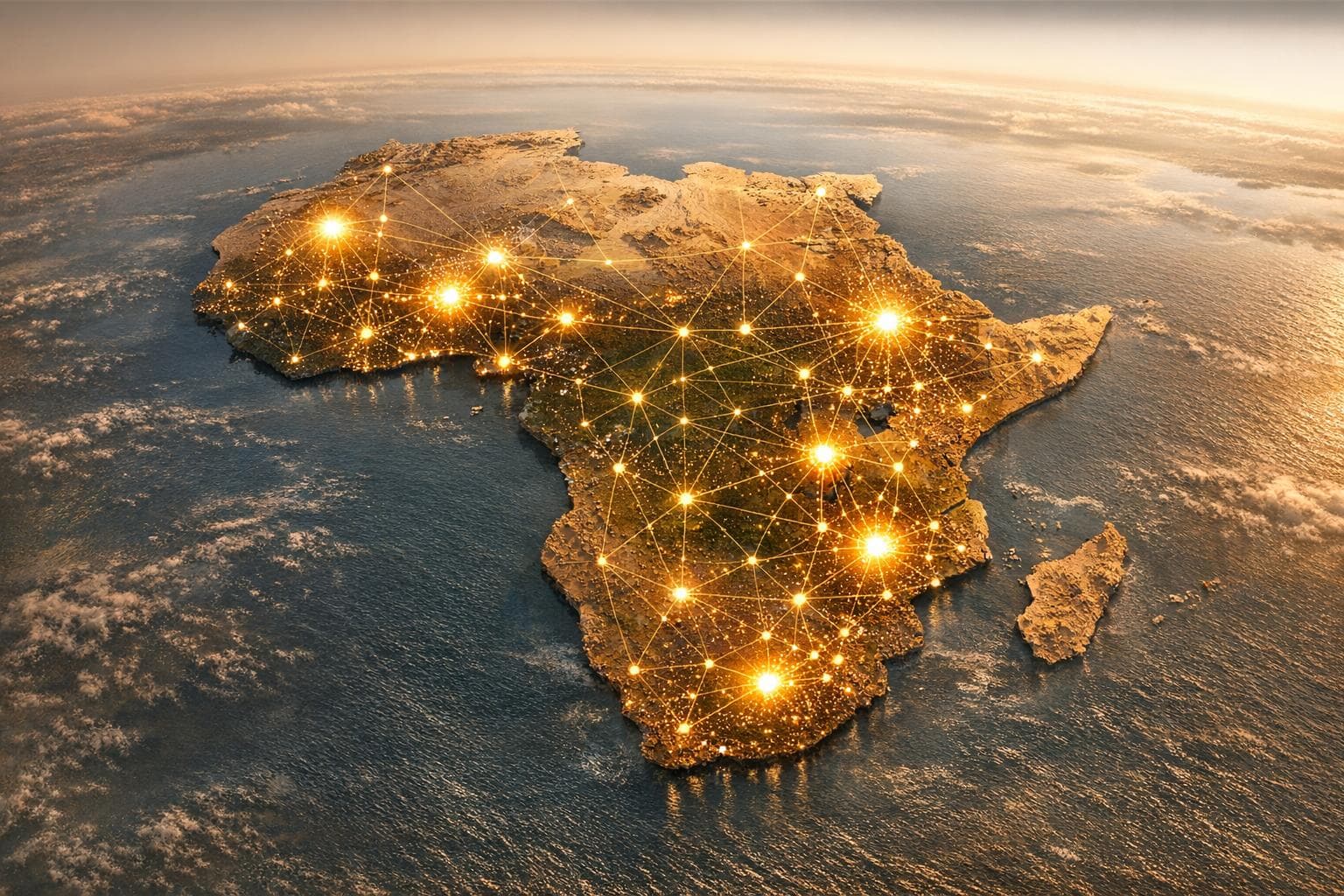
While the physical infrastructure is in the Gulf, the digital ripples will wash up on Kenya's shores. The campus is designed to provide low-latency computing power to a 3,200-kilometre radius, a zone that encompasses over four billion people and stretches deep into East Africa.
This development comes as Khazna explicitly targets the Kenyan market. Reports indicate the company is eyeing expansion into Nairobi as part of a broader plan to build 1 GW of capacity across the region. For local tech hubs like Silicon Savannah, this signals both a formidable competitor and a potential infrastructure partner.
Since the 1960s, crude oil has transformed the UAE from a collection of nomadic tribes into a diplomatic powerhouse. Now, the leadership is betting that 'digital oil'—data and AI—will sustain that influence through the 21st century.
"The idea is obviously to bring in international partners to be this AI-native nation," Nilerud added, emphasizing the shift from resource extraction to intellectual property generation.
As the cranes continue to clank over the desert, the message to emerging markets like Kenya is clear: the race for AI dominance is capital-intensive, energy-hungry, and moving at a blistering speed.
Keep the conversation in one place—threads here stay linked to the story and in the forums.
Sign in to start a discussion
Start a conversation about this story and keep it linked here.
Other hot threads
E-sports and Gaming Community in Kenya
Active 9 months ago
The Role of Technology in Modern Agriculture (AgriTech)
Active 9 months ago
Popular Recreational Activities Across Counties
Active 9 months ago
Investing in Youth Sports Development Programs
Active 9 months ago