We're loading the full news article for you. This includes the article content, images, author information, and related articles.
The United States Embassy in Cairo has issued a high-alert security advisory for American citizens, warning of potential travel disruptions and escalated risks following recent military strikes in the Middle East.

The United States Embassy in Cairo has issued a high-alert security advisory for American citizens, warning of potential travel disruptions and escalated risks following recent military strikes in the Middle East.
As geopolitical instability intensifies across the Gulf, the U.S. government has heightened its vigilance, urging travelers in Egypt to exercise extreme caution and maintain a low profile.
This urgent advisory threatens to disrupt the fragile recovery of Egypt’s tourism sector and serves as a stark warning for East African nations, which heavily depend on secure regional airspace for international trade and tourism.
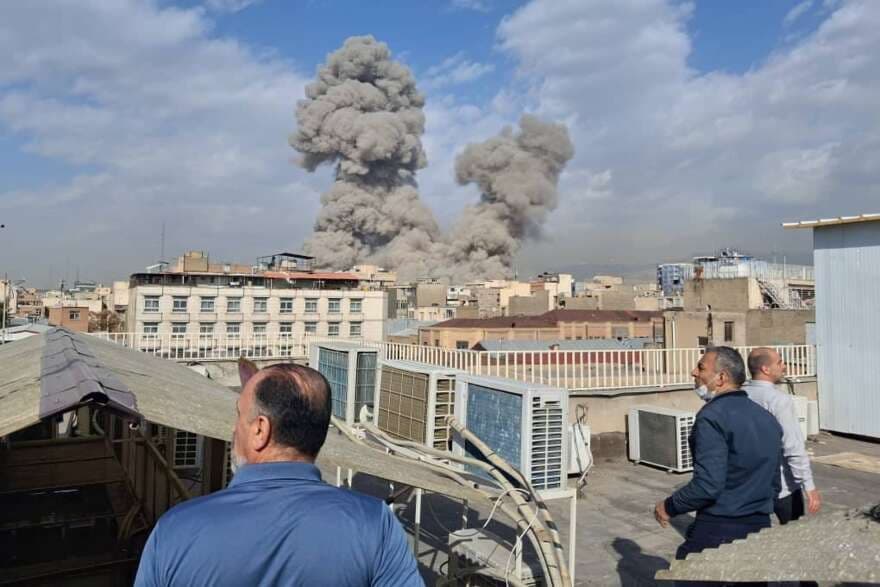
The security alert follows significant U.S. and Israeli military operations targeting sites in Iran, which have triggered a rapid escalation of retaliatory threats. The U.S. Embassy has explicitly noted that the regional security environment is experiencing "high tension" and that conditions on the ground could shift rapidly and without warning.
While the broader State Department advisory for Egypt remains at Level 2 (Exercise Increased Caution), specific regions such as the Northern and Middle Sinai Peninsula remain strictly off-limits (Level 4: Do Not Travel) due to persistent terrorist threats. The current crisis threatens to exacerbate these underlying vulnerabilities.
The immediate fallout of the military strikes has been a severe disruption to global aviation. Airlines worldwide have been forced to cancel or aggressively reroute flights to avoid contested airspace. Nearly a quarter of scheduled flights to key Middle Eastern hubs were impacted over the weekend.
For Egypt, a nation whose economy is fundamentally anchored by its tourism sector, these disruptions are catastrophic. Travelers face overcrowded terminals, extended security protocols, and unpredictable missed connections. The economic impact, potentially costing millions of dollars (equivalent to billions of KES), highlights the fragility of tourism-dependent economies.
The instability in the Middle East is not contained within its borders; its economic shockwaves are acutely felt in East Africa. Kenya relies heavily on Middle Eastern aviation hubs like Dubai and Doha for its international connectivity, particularly for its lucrative horticulture and tourism exports.
Any prolonged closure of airspace or increase in aviation insurance premiums will inevitably inflate cargo costs. This translates directly to higher operational expenses for Kenyan exporters, squeezing profit margins and threatening livelihoods dependent on seamless international trade.
Furthermore, the escalating conflict has already triggered a surge in global crude oil prices, which spiked by over 7%. For Kenya, a net oil importer, this spells imminent fuel price hikes at the pump, exacerbating the cost of living and fueling domestic inflation.
As regional airspace remains fraught with uncertainty, travelers and governments alike must brace for a protracted period of volatility that respects no borders.
Keep the conversation in one place—threads here stay linked to the story and in the forums.
Sign in to start a discussion
Start a conversation about this story and keep it linked here.
Other hot threads
E-sports and Gaming Community in Kenya
Active 9 months ago
The Role of Technology in Modern Agriculture (AgriTech)
Active 9 months ago
Popular Recreational Activities Across Counties
Active 9 months ago
Investing in Youth Sports Development Programs
Active 9 months ago