We're loading the full news article for you. This includes the article content, images, author information, and related articles.
After global giants fled, a Kenyan firm picks up the Sh789 billion project—but the new deal’s 85% cost recovery clause means the Treasury might wait years for a real windfall.
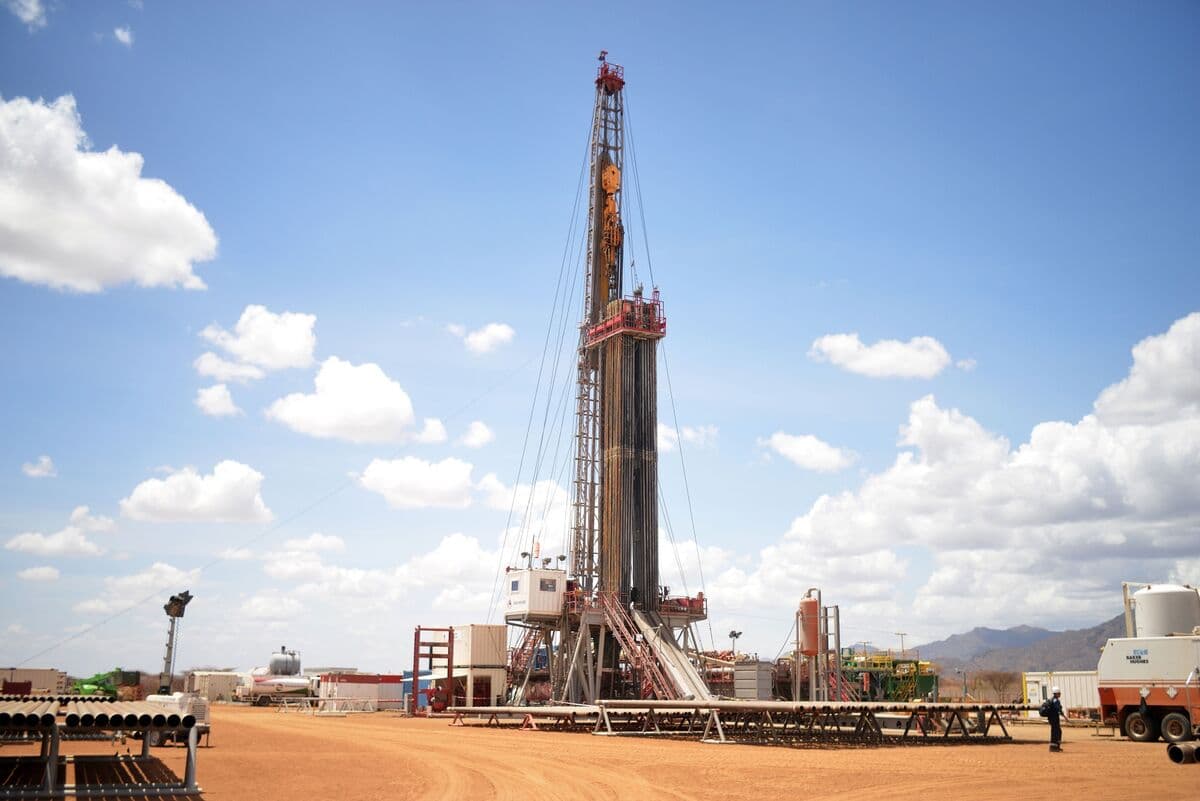
The dream of petrodollars flowing from the arid plains of Turkana has been resurrected, but the price of revival is steeper than many Kenyans anticipated. Gulf Energy, the local firm that snapped up the project after British explorer Tullow Oil’s unceremonious exit, is now pushing for an equal 50/50 profit-sharing split with the government during the critical early years of production.
This bold proposal, contained in the newly approved Field Development Plan (FDP), marks a significant shift from the previous administration's hardline stance. For a nation weary of “soon-to-be” promises, the news brings a mix of relief and skepticism: the oil might finally flow by late 2026, but how much of the wealth will actually trickle down to the wananchi?
In a deal closed this past September, Gulf Energy acquired the troubled project for a relatively modest $120 million (approx. KES 15.5 billion). Now, they are rewriting the rules of engagement. The firm argues that the previous fiscal terms—which favored the state with a 55/45 split—rendered the project “economically unviable” given the massive capital required.
Under the new proposal, which Energy Cabinet Secretary Opiyo Wandayi has forwarded to Parliament for ratification, the terms for the initial phase (2026–2031) are stark:
To the layman, “profit sharing” sounds like a fair split. However, the devil is in the “cost oil” details. With the recovery cap raised to 85%, for every KES 100 of oil sold, Gulf Energy can pocket KES 85 immediately to cover their expenses. The remaining KES 15 is then split 50/50.
In practice, this means the Kenyan government may receive as little as KES 7.50 for every KES 100 of oil sold during the first few years. Analysts argue this concession was necessary to convince any investor to touch a project that scared off TotalEnergies and Africa Oil. “It’s a classic case of a small slice of something being better than a whole slice of nothing,” noted a Nairobi-based energy economist. “The oil has been sitting in the ground for 13 years. Without these sweeteners, it would stay there forever.”
The transition from a multinational giant to a local player is a double-edged sword. Gulf Energy is betting big that it can succeed where Tullow failed, estimating a total capital investment of $6.1 billion (approx. KES 789 billion) over the project's 25-year lifespan. Unlike Tullow, which was bogged down by global shareholder pressure and debt, Gulf operates with the agility of a private entity—but raising nearly KES 800 billion is a monumental task for any Kenyan firm.
The logistics remain daunting. The grand vision of a pipeline to Lamu is still on the table, but for now, the plan reverts to the gritty reality of trucking crude to Mombasa—a method that is expensive and logistically fragile.
As Parliament prepares to debate the ratification, the pressure is on. Rejecting the deal sends the project back to limbo; approving it locks Kenya into a contract where the state takes a backseat on revenue for the foreseeable future. For the residents of Turkana, who have seen jobs vanish and camps close, the identity of the driller matters less than the dust settling and the trucks moving. But for the taxpayer, the question remains: Is this a rescue mission, or a giveaway?
Keep the conversation in one place—threads here stay linked to the story and in the forums.
Sign in to start a discussion
Start a conversation about this story and keep it linked here.
Other hot threads
E-sports and Gaming Community in Kenya
Active 9 months ago
The Role of Technology in Modern Agriculture (AgriTech)
Active 9 months ago
Popular Recreational Activities Across Counties
Active 9 months ago
Investing in Youth Sports Development Programs
Active 9 months ago