We're loading the full news article for you. This includes the article content, images, author information, and related articles.
The Auditor-General has sounded the alarm over proposed changes to the Turkana oil deal, warning that raising cost recovery limits could wipe out Kenya’s profit share.
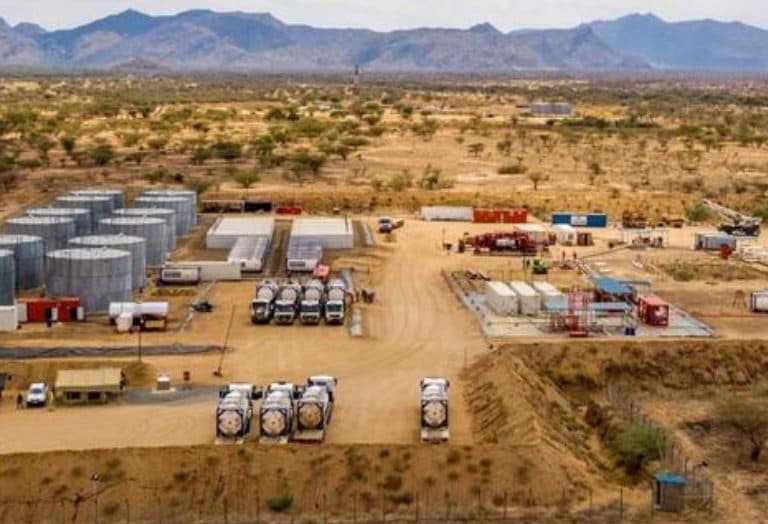
The Auditor-General has sounded the alarm over proposed changes to the Turkana oil deal, warning that raising cost recovery limits could wipe out Kenya’s profit share.
Kenya’s dream of becoming a petro-state has hit another regulatory turbulence. Auditor-General Nancy Gathungu has raised a red flag over the Field Development Plan (FDP) submitted for the Turkana oil project, warning that proposed fiscal adjustments could severely dilute the government’s earnings.
At the heart of the dispute is a proposal by the operators (led by Gulf Energy/Tullow interests) to raise the "cost recovery" ceiling from 65% to a staggering 85%. If approved, this would mean the oil companies could deduct 85% of all revenue to cover their expenses before sharing any profit with the Kenyan people.
Gathungu’s warning to Parliament was blunt: increasing the cost recovery limit postpones the "profit oil" phase indefinitely. In simple terms, Kenya would be exporting oil for years without seeing a cent of actual profit, as all revenues would be swallowed by the companies’ "operational costs."
“We risk depleting the resource while still paying for the machinery used to extract it,” an energy economist explained. “It is a classic resource curse trap.”
The Energy and Petroleum Regulatory Authority (EPRA) and Parliament are now under pressure to reject these terms. The logic from the investors is that the project has been delayed and costs have risen, necessitating better terms to make it viable. However, the state argues that viability for the investor cannot come at the expense of value for the citizen.
Commercial production, tentatively targeted for late 2026, hangs in the balance. This latest standoff proves that extracting the oil is the easy part; extracting a fair deal for the country is the real challenge. As negotiations tighten, the Turkana oil fields remain a vast, untapped potential—rich in resources, but poor in consensus.
Keep the conversation in one place—threads here stay linked to the story and in the forums.
Sign in to start a discussion
Start a conversation about this story and keep it linked here.
Other hot threads
E-sports and Gaming Community in Kenya
Active 9 months ago
The Role of Technology in Modern Agriculture (AgriTech)
Active 9 months ago
Popular Recreational Activities Across Counties
Active 9 months ago
Investing in Youth Sports Development Programs
Active 9 months ago