We're loading the full news article for you. This includes the article content, images, author information, and related articles.
The Teachers Service Commission (TSC) is urgently petitioning the National Treasury for an additional Sh10 billion to salvage the comprehensive medical cover for educators, warning that a funding shortfall threatens the healthcare access of over 1.4 million teachers and their dependents.
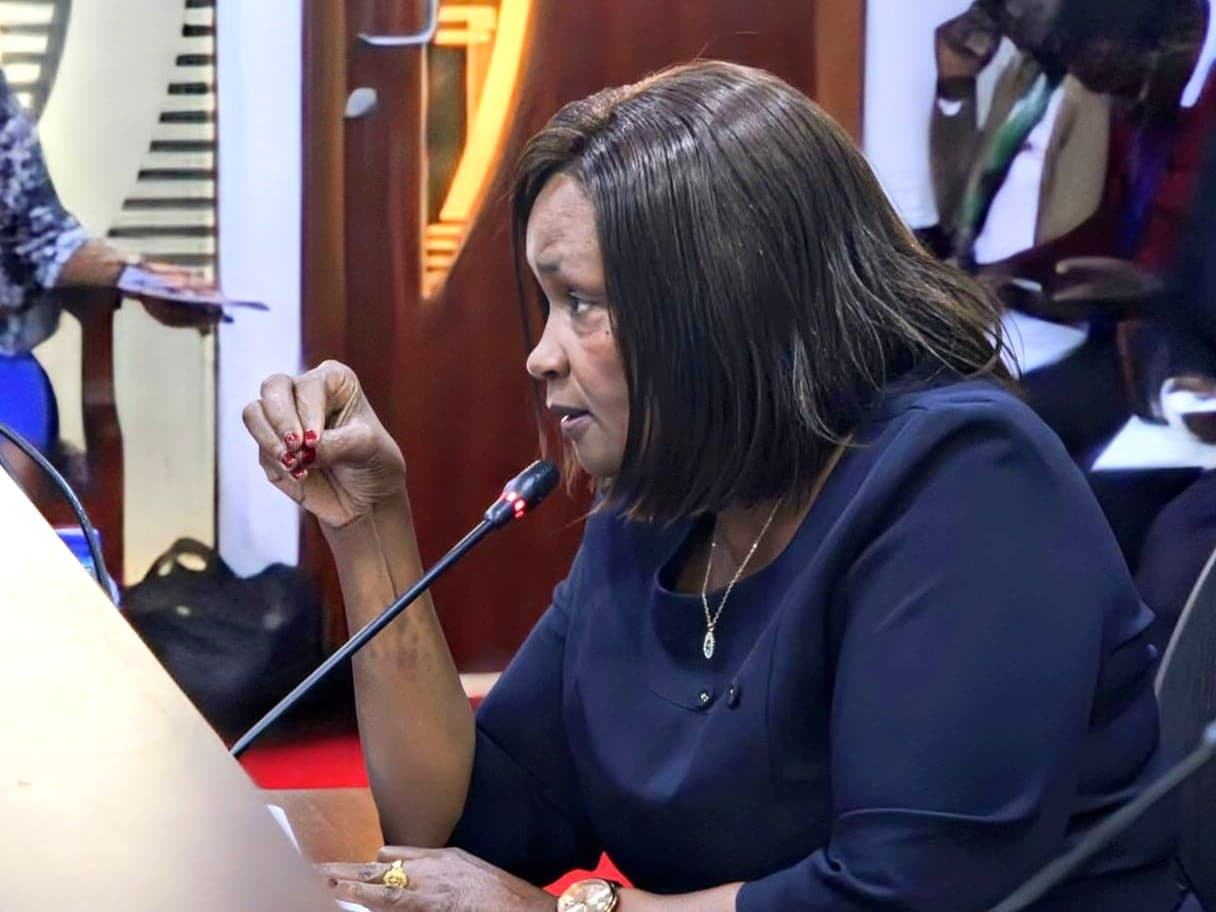
The Teachers Service Commission (TSC) is urgently petitioning the National Treasury for an additional Sh10 billion to salvage the comprehensive medical cover for educators, warning that a funding shortfall threatens the healthcare access of over 1.4 million teachers and their dependents.
Facing a severe budgetary crisis, the Teachers Service Commission (TSC) has formally requested an extra Sh10 billion (approx. KES 10bn) to sustain the teachers' medical insurance scheme. Concurrently, the commission has outlined ambitious plans to recruit 16,000 new teachers to address chronic staffing shortages.
This financial distress call highlights a systemic crisis in Kenya’s public sector financing. The teachers’ medical cover is one of the most vital benefits retaining educators in the public school system. A collapse or severe degradation of this scheme would trigger massive industrial unrest, orchestrated by powerful unions like KNUT and KUPPET, potentially paralyzing the entire education sector just as schools grapple with the complex transition of the Competency-Based Curriculum (CBC).
The current medical scheme, initially lauded as a milestone in labor relations, covers approximately 400,000 active teachers and over one million of their direct dependents. However, the rising cost of medical services, compounded by inflation and the broader national transition from the National Health Insurance Fund (NHIF) to the Social Health Authority (SHA), has severely strained the allocated budget. TSC officials have warned parliamentary committees that without the Sh10 billion injection, the contracted health providers will likely suspend services, leaving educators to pay out-of-pocket for critical inpatient and outpatient care. For a teacher stationed in a remote rural area, this loss of reliable healthcare access is catastrophic.
Parallel to the healthcare crisis, the TSC's plan to hire 16,000 new teachers is a desperate attempt to plug the gaping holes in the education workforce. The rollout of the Junior Secondary School (JSS) under the CBC framework has exposed a massive deficit in qualified teaching personnel. Existing teachers are severely overworked, handling impossibly large class sizes that compromise the quality of individualized learning envisioned by the new curriculum. The proposed recruitment, while significant, is viewed by many education experts as a drop in the ocean compared to the actual staffing requirements on the ground.
The financial implications of this dual request are staggering. The National Treasury, already struggling with debt servicing and aggressive revenue collection targets, is caught between a rock and a hard place. Approving the TSC budget means diverting funds from other critical sectors or increasing borrowing. Denying it guarantees strikes and the potential collapse of the CBC transition. The government must make a brutal calculus regarding its macroeconomic priorities.
Beyond the macroeconomics, the uncertainty surrounding the medical cover is severely eroding teacher morale. Educators are the backbone of the nation's future, yet they constantly find themselves begging for basic contractual rights. The psychological toll of worrying about healthcare for their families, combined with the physical exhaustion of overcrowded classrooms, is leading to unprecedented burnout rates. Many experienced teachers are opting for early retirement or migrating to the private sector where benefits are more secure.
The government must realize that investing in the welfare of teachers is not an administrative expense, but a foundational investment in national development. A sick, demotivated teacher cannot effectively deliver the complex demands of a modern curriculum.
As the budget reading approaches, the tension between the TSC, the Treasury, and the unions is palpable. The government has very little runway left to maneuver.
The survival of the public education sector hangs in the balance, entirely dependent on how the Treasury responds to this Sh10 billion ultimatum.
“We cannot expect teachers to mold the minds of our children while their own families are denied basic medical dignity due to bureaucratic funding shortfalls,” a senior union official warned, signaling impending industrial action if the demands are not met.
Keep the conversation in one place—threads here stay linked to the story and in the forums.
Sign in to start a discussion
Start a conversation about this story and keep it linked here.
Other hot threads
E-sports and Gaming Community in Kenya
Active 9 months ago
The Role of Technology in Modern Agriculture (AgriTech)
Active 9 months ago
Popular Recreational Activities Across Counties
Active 9 months ago
Investing in Youth Sports Development Programs
Active 9 months ago