We're loading the full news article for you. This includes the article content, images, author information, and related articles.
The massive aid package seeks to shield American agriculture from the fallout of disputes with China and Mexico, signaling continued volatility in global food markets.
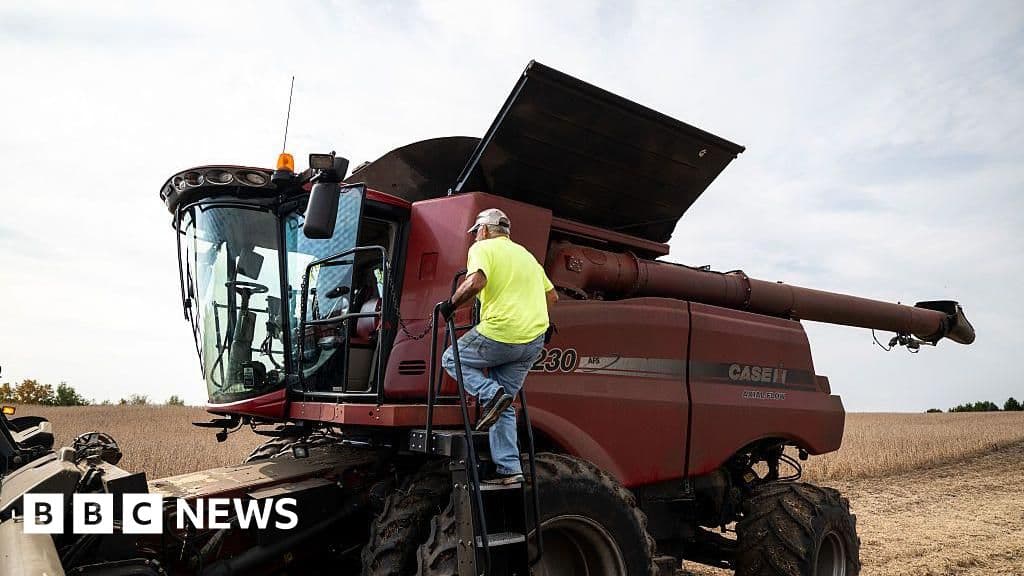
US President Donald Trump has deployed a massive $12 billion (approx. KES 1.56 trillion) financial shield to protect American farmers caught in the crossfire of his administration's aggressive trade policies.
While intended to stabilize the American heartland, this injection of state capital signals a deepening of global trade tensions—particularly with China and Mexico—that could trigger price volatility for import-reliant economies like Kenya.
Speaking from the White House, flanked by Treasury Secretary Scott Bessent and Agriculture Secretary Brooke Rollins, Trump framed the package as a necessary countermeasure against "years of unjustified trade actions" and persistent inflation.
The bulk of the funding is structured to provide immediate relief through the Department of Agriculture:
"Maximising domestic farm production is a big part of how we will make America affordable again and bring down grocery prices," Trump told an audience that included representatives for corn, cotton, soybean, and wheat farmers—commodities that are central to global food security.
The aid package comes as the administration opens a new front in its trade disputes. On Monday, Trump threatened to slap Mexico with an additional 5% tariff, citing a dispute over water supplies to US farmers.
This escalation adds to the strain already felt from ongoing friction with China, a major buyer of US soybeans. While the American agricultural sector has remained a political stronghold for Trump, the economic reality of retaliatory tariffs has squeezed profit margins, necessitating this federal intervention.
For Kenya, a net importer of wheat and corn, the implications of US subsidies are two-fold. When the world's largest economy subsidizes production, it can depress global grain prices in the short term, potentially lowering import bills for Kenyan millers.
However, analysts warn that the underlying trade wars often disrupt supply chains and increase logistics costs, which can erase any savings from lower commodity prices. If the US-Mexico or US-China disputes escalate further, the resulting market instability could lead to unpredictable price swings at the shelf level in Nairobi.
As the trade war rhetoric heats up, the global market remains on edge, watching to see if this aid package is a temporary fix or the new normal in a fragmented global economy.
Keep the conversation in one place—threads here stay linked to the story and in the forums.
Sign in to start a discussion
Start a conversation about this story and keep it linked here.
Other hot threads
E-sports and Gaming Community in Kenya
Active 9 months ago
The Role of Technology in Modern Agriculture (AgriTech)
Active 9 months ago
Popular Recreational Activities Across Counties
Active 9 months ago
Investing in Youth Sports Development Programs
Active 9 months ago