We're loading the full news article for you. This includes the article content, images, author information, and related articles.
The US formally exits the WHO, leaving a $260 million debt and sparking fears of a global health surveillance collapse that threatens funding for African disease control programs.
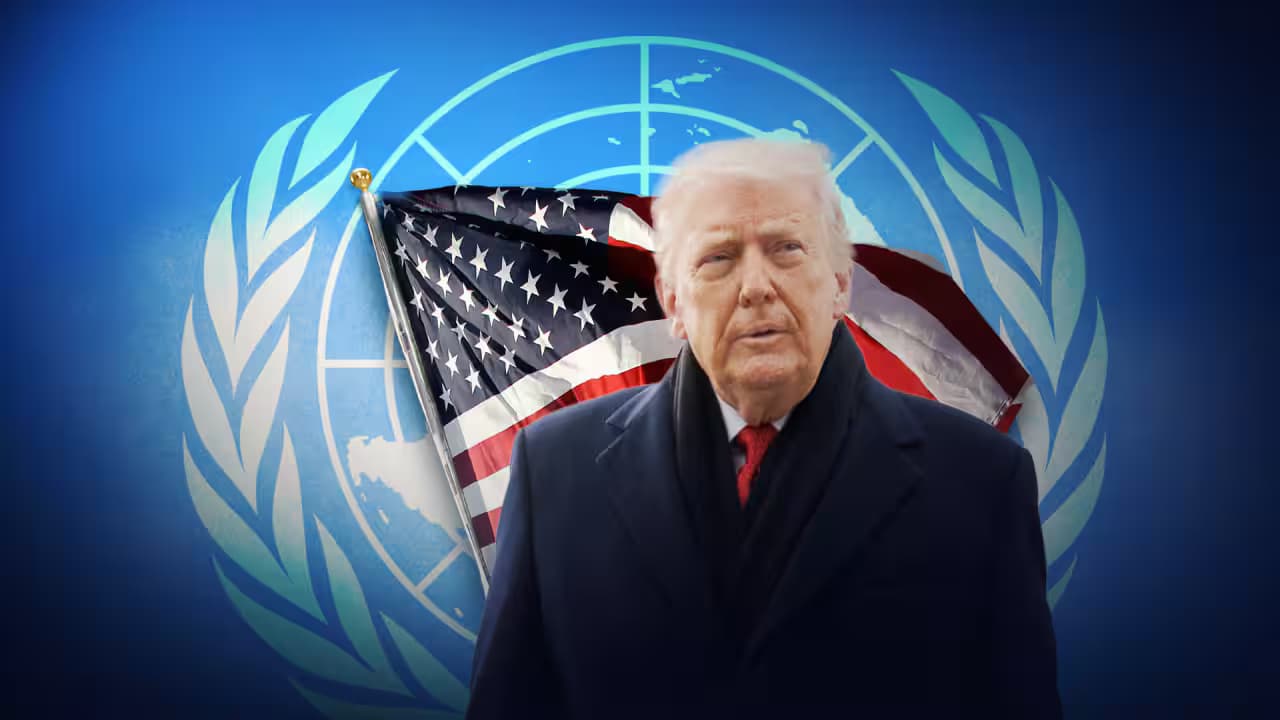
The United States has formally severed its membership with the World Health Organization (WHO), capping a year-long diplomatic standoff that threatens to dismantle the architecture of global health security. In a move that has sent shockwaves through ministries of health from Geneva to Nairobi, the Trump administration finalized the withdrawal this week, leaving behind a staggering $260 million in unpaid membership dues and a geopolitical vacuum that experts warn could be catastrophic for disease surveillance in the Global South.
The decision, which follows an executive order signed in early 2025, marks a definitive end to decades of American leadership in global public health. President Trump, citing the agency’s alleged failure to effectively manage the early stages of the COVID-19 pandemic and accusing it of being "unduly influenced" by rival geopolitical powers, declared that American taxpayer money would no longer subsidize an organization he deemed broken. For Kenya and other East African nations, the withdrawal is not just a diplomatic row; it is a direct threat to the funding lifelines that support malaria control, HIV research at KEMRI, and emergency response capabilities.
The immediate financial impact is seismic. The U.S. has historically been the WHO’s largest single donor, contributing between 12% and 15% of the agency’s total budget. The abrupt cessation of these funds—and the refusal to pay the outstanding $260 million arrears—has plunged the Geneva-based body into a fiscal crisis. Insiders report that emergency meetings are already underway to determine which programs must be cut. The likely casualties are surveillance networks in sub-Saharan Africa, which rely on WHO technical support to detect outbreaks of Ebola, Marburg, and Cholera before they become pandemics.
Public health experts argue that the U.S. is effectively blinding itself. "Viruses do not respect borders or political ideologies," warns Dr. Amina Juma, a global health policy analyst based in Nairobi. "By dismantling the global alarm system, the United States is not insulating itself; it is ensuring that the next pandemic arrives on its shores undetected. You cannot wall off a pathogen."
The withdrawal has also triggered fears of a domino effect, where other populist governments might view funding global health bodies as optional. The WHO has announced immediate austerity measures, including potential staff cuts in its African regional offices. For the millions of Kenyans who rely on WHO-subsidized essential medicines and vaccination campaigns, the geopolitical maneuvering in Washington presents a very tangible danger. As the U.S. turns inward, the rest of the world is left to scramble for resources in an increasingly fragmented and dangerous landscape.
The tragedy of this divorce is that it comes at a time when biological threats are accelerating, not diminishing. Whether it is the silent spread of antimicrobial resistance or the sudden eruption of a zoonotic virus, the world needs a referee. Today, the referee has lost its biggest backer, and the game has become infinitely more deadly.
Keep the conversation in one place—threads here stay linked to the story and in the forums.
Sign in to start a discussion
Start a conversation about this story and keep it linked here.
Other hot threads
E-sports and Gaming Community in Kenya
Active 9 months ago
The Role of Technology in Modern Agriculture (AgriTech)
Active 9 months ago
Popular Recreational Activities Across Counties
Active 9 months ago
Investing in Youth Sports Development Programs
Active 9 months ago