We're loading the full news article for you. This includes the article content, images, author information, and related articles.
In a dramatic escalation, U.S. President Donald Trump has ordered a 'total and complete' naval blockade of Venezuelan oil tankers, a move Caracas decries as 'warmongering' and analysts warn could ripple through global energy markets, threatening to raise fuel prices in Kenya.
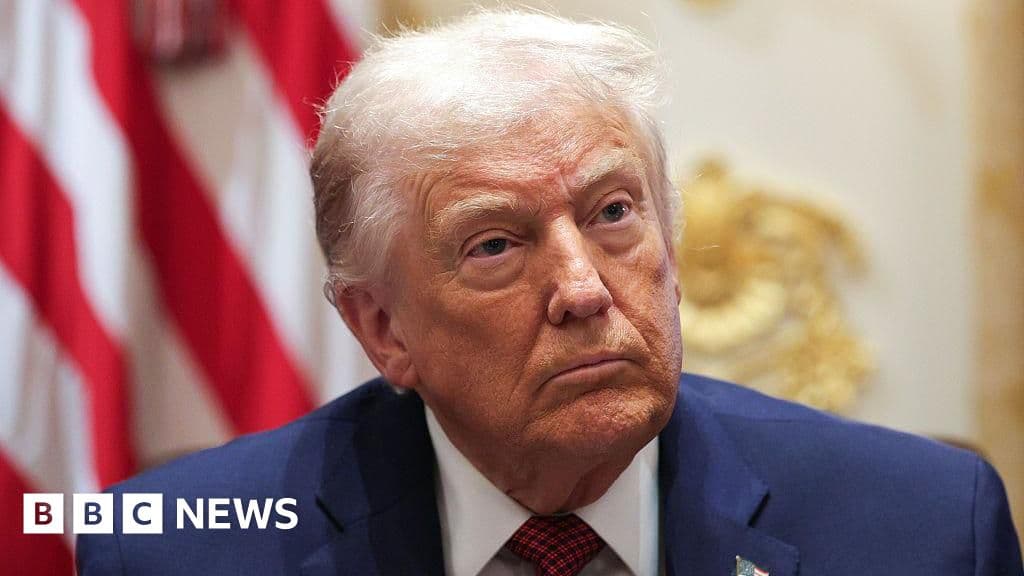
The United States has ordered a full naval blockade of all sanctioned oil tankers moving to and from Venezuela, a high-stakes move that escalates a months-long pressure campaign and threatens to ignite global oil markets.
For Kenya, this standoff thousands of kilometres away is not a distant problem. The core issue is the potential disruption to global oil supply, which could trigger a surge in crude prices. Such a spike would inevitably be felt at the pump by millions of Kenyans already navigating a high cost of living, impacting everything from matatu fares to the price of unga.
In a statement on his Truth Social platform, U.S. President Donald Trump announced the "TOTAL AND COMPLETE BLOCKADE," accusing the government of Venezuelan President Nicolás Maduro of using oil revenue to finance "Drug Terrorism, Human Trafficking, Murder, and Kidnapping." The move follows the recent seizure of a Venezuelan oil tanker by U.S. forces and is backed by what Trump termed "the largest Armada ever assembled in the History of South America."
The Venezuelan government immediately fired back, rejecting the announcement as a "grotesque threat" and a violation of international law. In a formal statement, it accused the U.S. of attempting to "steal the wealth that belongs to our homeland" and vowed to file a complaint with the United Nations.
This action is the latest in an aggressive U.S. campaign against the Maduro government, which has included designating the administration as a foreign terrorist organization and conducting military strikes on vessels in the Caribbean alleged to be trafficking drugs. Human rights groups have raised concerns about the legality of these strikes, describing them as extrajudicial killings.
While Venezuela accounts for roughly 1% of global oil supply, the aggressive nature of a naval blockade by a superpower introduces significant uncertainty into the market. Oil prices jumped over 1.5% immediately following the news, with Brent crude rising to $60.60 (approx. KES 7,817) per barrel, as traders reacted to the risk of supply disruptions.
In Nairobi, the Energy and Petroleum Regulatory Authority (EPRA) has maintained stable fuel prices for the last three months, with Super Petrol currently retailing at KES 184.52 per litre. This stability, however, is contingent on the landed cost of imported fuel. A sustained global price increase driven by the Venezuela crisis could force an upward revision in the monthly review.
Potential impacts on Kenyans include:
While some market analysts believe the global oil market has enough surplus to absorb the shock, the situation remains volatile. The key question is how the blockade will be enforced and whether it will escalate into a wider conflict. As the world watches the Caribbean, Kenyans will be watching the fuel pump, hoping this international power play doesn't hit their wallets.
Keep the conversation in one place—threads here stay linked to the story and in the forums.
Sign in to start a discussion
Start a conversation about this story and keep it linked here.
Other hot threads
E-sports and Gaming Community in Kenya
Active 9 months ago
The Role of Technology in Modern Agriculture (AgriTech)
Active 9 months ago
Popular Recreational Activities Across Counties
Active 9 months ago
Investing in Youth Sports Development Programs
Active 9 months ago



