We're loading the full news article for you. This includes the article content, images, author information, and related articles.
The surprise deal reverses strict export bans, promising a 25% levy for the US Treasury while reigniting the global debate on tech security and trade.

In a move that dramatically rewrites the rules of the ongoing technological cold war, President Donald Trump announced on Monday that the United States will resume the export of high-end artificial intelligence chips to China. The decision marks a stark departure from the containment strategies of the previous administration, signaling a shift toward transactional diplomacy over blanket bans.
The agreement, reportedly brokered directly with Chinese President Xi Jinping, allows US tech giant Nvidia to ship its powerful H200 processors to Beijing. These chips are the engine room of the modern AI revolution, powering everything from generative text models to complex military simulations.
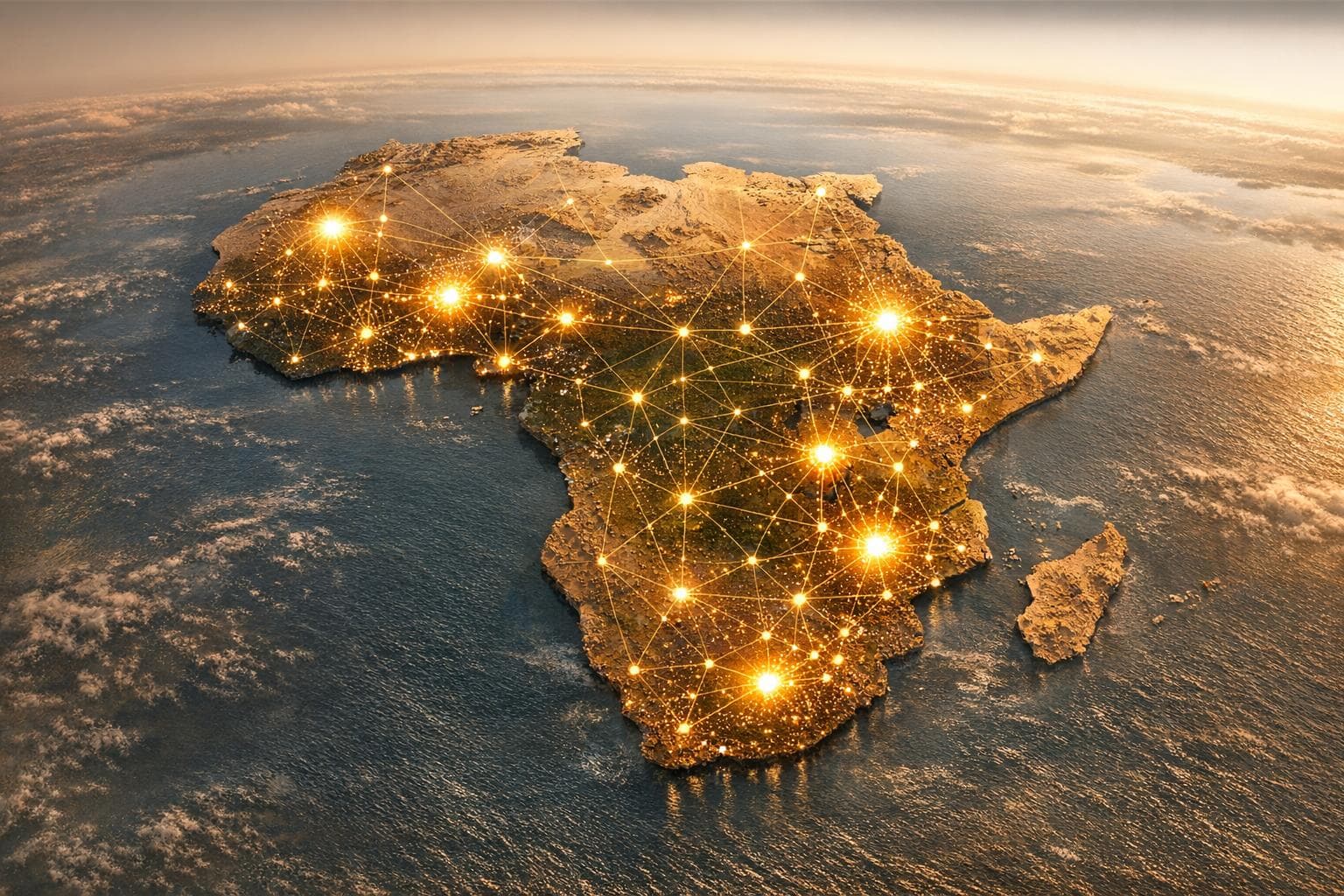
For the global market, and indeed for tech stakeholders in Nairobi, this pivot suggests a thawing of trade barriers, albeit one that comes with a steep price tag attached by Washington.
Writing on his Truth Social platform, President Trump revealed that the authorization comes with strict caveats. Nvidia, the world’s most valuable chipmaker, will be permitted to sell to "approved customers" in China. The President emphasized that these sales would occur under conditions designed to maintain "strong National Security," though specific enforcement mechanisms remain detailed only in broad strokes.
Trump framed the reversal as a correction of what he termed a failed strategy by the Biden administration. He argued that previous restrictions forced American companies to engineer "degraded" products—slower, less capable chips specifically built to comply with export controls.
"[The ban] forced our Great Companies to spend BILLIONS OF DOLLARS (hundreds of billions of KES) building 'degraded' products that nobody wanted," Trump wrote, employing his characteristic capitalization for emphasis. He described the prior policy as "a terrible idea that slowed Innovation, and hurt the American Worker."
Perhaps the most intriguing element of the announcement is the financial condition attached to the approval. Trump stated that "$25% will be paid to the United States of America."
While the syntax of the post left analysts scrambling—specifically the combination of the dollar sign and percentage symbol—market watchers interpret this as a 25% tariff or licensing fee on the exports. If accurate, this would turn a national security restriction into a significant revenue stream for the US Treasury.
For context, Nvidia's data center revenue has skyrocketed in recent years. A 25% levy on billions of dollars in sales to the Chinese market would represent a massive injection of capital, potentially influencing global exchange rates and tech pricing.
The ripple effects of this decision will be felt far beyond Washington and Beijing. For Kenya, a nation aggressively positioning itself as the "Silicon Savannah," the availability and regulation of AI hardware are critical issues.
As the details of the "approved customer" list emerge, the tech world waits to see if this is a genuine peace offering or merely a new front in the trade war—one where access is granted, but only for a premium fee.
Keep the conversation in one place—threads here stay linked to the story and in the forums.
Sign in to start a discussion
Start a conversation about this story and keep it linked here.
Other hot threads
E-sports and Gaming Community in Kenya
Active 9 months ago
The Role of Technology in Modern Agriculture (AgriTech)
Active 9 months ago
Popular Recreational Activities Across Counties
Active 9 months ago
Investing in Youth Sports Development Programs
Active 9 months ago