We're loading the full news article for you. This includes the article content, images, author information, and related articles.
President Trump has signed a one-year extension of the AGOA trade pact, saving thousands of African jobs but signalling tougher terms for future access to the US market.
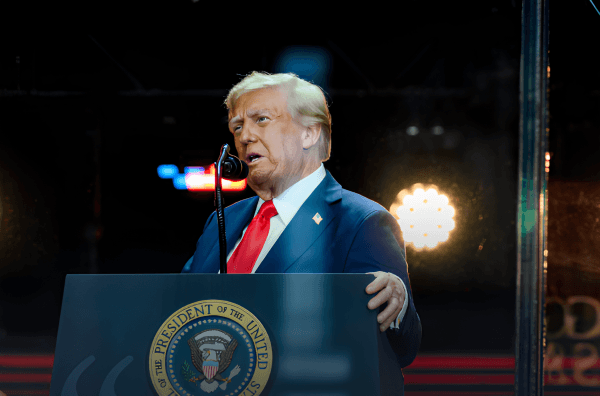
A sigh of relief has swept through African capitals as US President Donald Trump signs a law extending the AGOA trade pact until December 2026.
The uncertainty that has clouded trade relations between the United States and Sub-Saharan Africa for months has finally lifted. President Trump has affixed his signature to legislation that renews the African Growth and Opportunity Act (AGOA) for another year. Crucially, the extension is retroactive from September 30, 2025, ensuring that duty-free access to the lucrative American market is restored without a gap. This move averts a potential economic crisis for thousands of exporters who rely on the pact.
While the extension is a victory for African diplomacy, it comes with a caveat. US Trade Representative Jamieson Greer, in announcing the decision, signalled a shift in American trade policy. The administration has made it clear that AGOA must now "demand more" from its partners. This phrasing suggests that future eligibility reviews will be more stringent, possibly linking trade benefits to alignment with US foreign policy interests or stricter labour and human rights standards.
"AGOA for the 21st century must yield more market access for U.S. businesses, farmers, and ranchers," Greer stated, indicating that the one-way preference system may soon evolve into reciprocal trade agreements. This aligns with Trump's "America First" doctrine, which seeks to reduce US trade deficits globally.
The reinstatement of AGOA allows shipments that were stalled at US ports to be cleared duty-free, releasing millions of dollars in capital tied up in logistics. However, the message from Washington is unambiguous: the era of unconditional access is drawing to a close. African trade ministers must now pivot from celebration to strategy, as the negotiations for the post-2026 era begin in earnest.
President Trump’s signature has bought time, but it has also set the stage for a high-stakes renegotiation of the Africa-US economic relationship.
Keep the conversation in one place—threads here stay linked to the story and in the forums.
Sign in to start a discussion
Start a conversation about this story and keep it linked here.
Other hot threads
E-sports and Gaming Community in Kenya
Active 9 months ago
The Role of Technology in Modern Agriculture (AgriTech)
Active 9 months ago
Popular Recreational Activities Across Counties
Active 9 months ago
Investing in Youth Sports Development Programs
Active 9 months ago



