We're loading the full news article for you. This includes the article content, images, author information, and related articles.
US President Donald Trump has officially triggered a new 10 percent global import tariff, sending shockwaves through international markets and threatening to trigger a devastating global trade war.
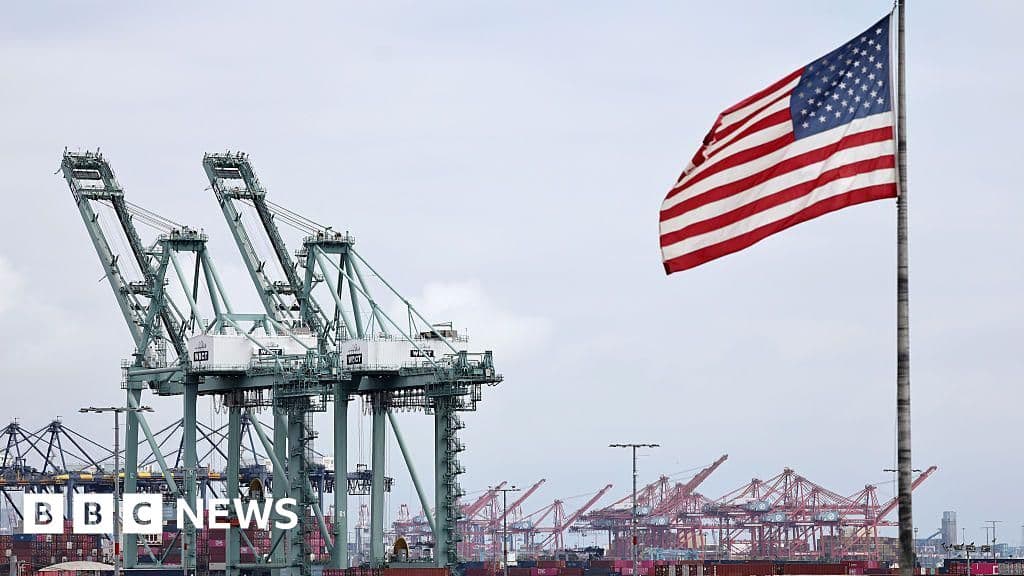
US President Donald Trump has officially triggered a new 10 percent global import tariff, sending shockwaves through international markets and threatening to trigger a devastating global trade war.
The global economic architecture experienced a seismic shift on Tuesday, February 24, as the United States formally implemented a baseline 10 percent tariff on all imports. The move resurrects the aggressive protectionist policies of the Trump administration, forcing economies worldwide to brace for significant financial turbulence.
This aggressive pivot matters deeply to emerging economies. For East African nations reliant on the African Growth and Opportunity Act (AGOA) to access American markets duty-free, this unilateral tariff threatens to decimate export revenues, driving up inflation and stunting manufacturing growth across the continent.
The implementation of this 10 percent levy comes immediately after a monumental legal defeat for the White House. Just days prior, the US Supreme Court struck down Trump's sweeping, emergency-powers-based import taxes enacted under the International Emergency Economic Powers Act (IEEPA). Undeterred, the President swiftly signed an executive order utilizing Section 122 of the 1974 Trade Act.
This specific provision grants the president the extraordinary power to impose temporary import duties for up to 150 days without requiring congressional approval, specifically to "address fundamental international payments problems." Trump continues to argue that these extreme measures are necessary to curb the widening American trade deficit, which recently hit a staggering $1.2 trillion (approx. KES 170.4 trillion).
The rollout of the tariff has been characterized by chaos. Over the weekend, Trump publicly threatened to push the levy to a punitive 15 percent, but failed to issue the official directive before the 08:01 EAT deadline on Tuesday, leaving the rate at 10 percent. However, the average effective US tariff rate will settle around 10.2 percent due to various exemptions, including agricultural goods and imports compliant with the North American trade pact.
The international blowback has been immediate. Traditional allies and adversaries alike are scrambling. The European Union immediately froze the ratification of a pending trade agreement with Washington, demanding clarity. Similarly, India postponed critical trade talks. The lack of predictability has terrified global supply chains, raising the specter of a fully-fledged retaliatory trade war.
While the focus remains on the US-China and US-EU dynamics, the collateral damage will be acutely felt in Africa. Countries like Kenya, which export textiles, macadamia nuts, and coffee to the US, face the sudden evaporation of their competitive pricing edge. If the 10 percent tariff supersedes existing preferential trade agreements, African exports will become significantly more expensive for American consumers.
Economic analysts project that the tariffs will act as a regressive tax on global consumption. As the Trump administration prepares further investigations into industrial imports to justify making these tariffs permanent, the developing world must urgently seek to diversify its export markets to survive the encroaching era of American isolationism.
Keep the conversation in one place—threads here stay linked to the story and in the forums.
Sign in to start a discussion
Start a conversation about this story and keep it linked here.
Other hot threads
E-sports and Gaming Community in Kenya
Active 9 months ago
The Role of Technology in Modern Agriculture (AgriTech)
Active 9 months ago
Popular Recreational Activities Across Counties
Active 9 months ago
Investing in Youth Sports Development Programs
Active 9 months ago



