We're loading the full news article for you. This includes the article content, images, author information, and related articles.
The unprecedented operation targets a suspected cocaine facility in Maracaibo, marking a volatile escalation in Washington’s pressure campaign against the Maduro regime.
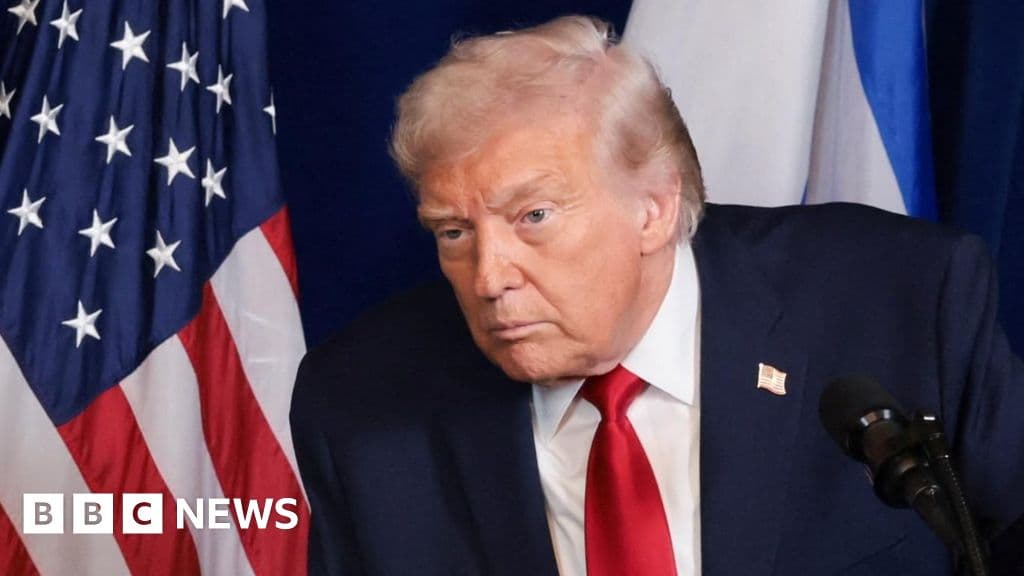
In a move that shatters long-standing diplomatic norms, President Donald Trump has confirmed a United States strike on Venezuelan soil, targeting what he described as a "major facility" central to the global narcotics trade. The operation, characterized by a "major explosion," reportedly struck a dock area used to load illicit shipments, signaling a kinetic turn in the White House's strategy against Caracas.
This development represents a seismic shift in geopolitical engagement in the Americas. If verified as a direct US military or intelligence operation, it would mark the first known unilateral US strike inside Venezuelan territory, raising immediate questions about sovereignty and international law that resonate far beyond the Western Hemisphere.
While President Trump offered few specifics, noting only that the target was a "dock area" where traffickers "load the boats up with drugs," US media outlets including CNN and The New York Times have cited sources identifying the operation as a CIA-led drone strike. The administration appears to be leveraging a strategy of ambiguity; when pressed by reporters on Monday regarding CIA involvement, Trump remained coy.
"I don't want to say that," Trump stated. "I know exactly who it was, but I don't want to say who it was."
This tactic of "gray zone" warfare—strikes conducted with plausible deniability or through covert agencies—is familiar to observers of US foreign policy in the Horn of Africa and the Middle East. However, applying this doctrine to a South American nation represents a significant escalation.
While the Venezuelan government under President Nicolás Maduro has remained silent, neighboring Colombia has provided critical intelligence filling the gaps in Washington's narrative. Colombian President Gustavo Petro identified the target as a cocaine production facility located in the port city of Maracaibo.
According to Petro, the facility was not merely a transit point but a factory for mixing coca paste, allegedly under the control of the National Liberation Army (ELN). The ELN is a leftist guerrilla group that has long operated across the porous Colombia-Venezuela border.
The strike comes amidst a backdrop of intensified rhetoric from the Trump administration, which has previously threatened land strikes and authorized covert actions to destabilize the Maduro government. For the global south, including nations like Kenya that navigate complex relationships with superpowers, the incident serves as a stark reminder of the reach of US unilateral power when national security interests—specifically the war on drugs—are invoked.
As of Wednesday morning, Venezuelan state media has not acknowledged the attack, despite widespread speculation on social media platforms. The silence from Caracas suggests a regime currently assessing the damage and weighing a response to an act of war that has now moved from threat to reality.
Keep the conversation in one place—threads here stay linked to the story and in the forums.
Sign in to start a discussion
Start a conversation about this story and keep it linked here.
Other hot threads
E-sports and Gaming Community in Kenya
Active 9 months ago
The Role of Technology in Modern Agriculture (AgriTech)
Active 9 months ago
Popular Recreational Activities Across Counties
Active 9 months ago
Investing in Youth Sports Development Programs
Active 9 months ago



