We're loading the full news article for you. This includes the article content, images, author information, and related articles.
As fighter jets pound Hezbollah strongholds and homes in Jbaa, the ceasefire hangs by a thread—raising fears of a regional war that could send fuel prices soaring in Nairobi.
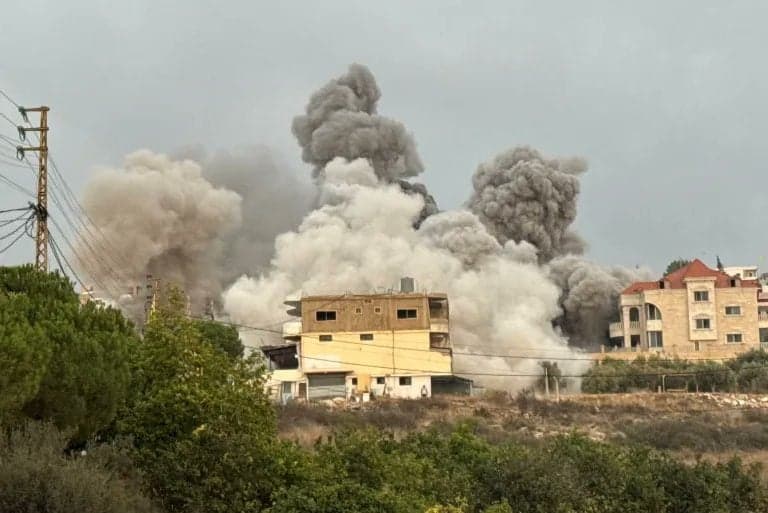
The fragile silence in southern Lebanon shattered on Tuesday morning as Israeli fighter jets launched a fresh wave of airstrikes, pounding residential areas and military targets in a move that pushes the teetering ceasefire to its breaking point. For the residents of Jbaa and surrounding villages, the roar of engines replaced the tentative hope of peace, leaving a trail of destruction and renewed panic.
This escalation marks the most severe test of the truce brokered in late 2024. While the Israel Defense Forces (IDF) described the operation as a necessary strike against re-emerging threats, the collapse of diplomatic safeguards signals a dangerous shift. For the international community—and observers here in Kenya watching global fuel indices—the return to open combat threatens to unravel regional stability and send economic shockwaves across the Indian Ocean.
According to Lebanon’s state-run National News Agency (NNA), the airstrikes targeted a valley between the towns of Izze and Romin, as well as the heights of Mount Safi. The damage was not confined to military infrastructure; reports confirmed that several civilian homes in the town of Jbaa were struck, though immediate casualty figures remain unclear.
The IDF confirmed the operation, stating their aircraft targeted a "training and qualification compound" used by Hezbollah’s elite Radwan Force. In a statement, the Israeli military alleged that the site was being used to plan attacks against Israeli civilians, constituting a "clear violation" of the ceasefire understandings.
However, Lebanese officials paint a different picture. Prime Minister Nawaf Salam, speaking from the Doha Forum, argued that the ceasefire has been a one-sided endeavor. "There has been no cessation of hostilities on Israel's part," Salam noted, pointing to data from the Lebanese Health Ministry that records over 1,000 Israeli attacks since the agreement ostensibly began.
Why should a business owner in Westlands or a commuter in Mombasa track a conflict 4,000 kilometers away? The answer lies in the volatile economics of energy. Kenya, which imports all its refined petroleum, is uniquely vulnerable to Middle Eastern instability.
The timing of these strikes is critical. The ceasefire, intended to lead to a full Israeli withdrawal and the disarmament of Hezbollah in the south, is now effectively frozen. Hezbollah has refused to disarm while Israeli troops remain on Lebanese soil, creating a deadly cycle of justification and retaliation.
As diplomats in Washington and Paris scramble to salvage the agreement, the residents of southern Lebanon face another sleepless night. For them, the "pause" in the war feels less like a peace deal and more like an intermission before the next tragedy.
Keep the conversation in one place—threads here stay linked to the story and in the forums.
Sign in to start a discussion
Start a conversation about this story and keep it linked here.
Other hot threads
E-sports and Gaming Community in Kenya
Active 9 months ago
The Role of Technology in Modern Agriculture (AgriTech)
Active 9 months ago
Popular Recreational Activities Across Counties
Active 9 months ago
Investing in Youth Sports Development Programs
Active 9 months ago