We're loading the full news article for you. This includes the article content, images, author information, and related articles.
Shift to a Single Treasury Account promises to plug the leakage of public funds into interest payments and stabilize government cash flow.
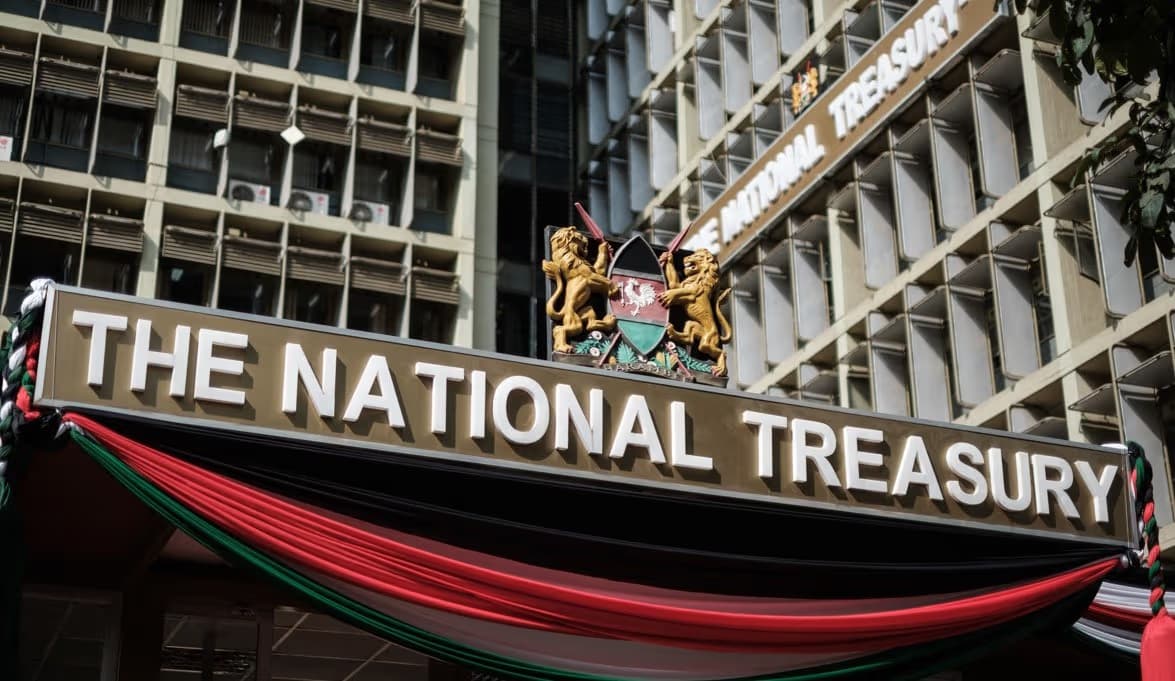
A quiet revolution in public finance management is set to unlock massive savings for the Kenyan taxpayer. The government's decisive move to reduce its reliance on costly bank overdrafts and fully implement the Single Treasury Account (TSA) is projected to save the exchequer a staggering Ksh 3 billion annually. This announcement, made by Deputy Controller of Budget Stephen Masha, signals a shift towards fiscal discipline that has been long demanded by economists and international lenders alike.
For years, the government has operated with a fragmented banking system, where different ministries and agencies held thousands of idle bank accounts while the Treasury paid high interest rates to borrow money for daily operations. This inefficiency—borrowing your own money—has bled the public purse dry. The new reforms aim to stop this hemorrhage by June, consolidating government cash resources and minimizing the need for expensive short-term credit.
The linchpin of this strategy is the Single Treasury Account. By sweeping all government funds into a central pool, the Treasury gains a real-time view of its cash position. This visibility allows for better cash management, ensuring that idle funds in one ministry can be used to meet obligations in another, rather than resorting to an overdraft facility at the Central Bank.
"We are closing the loopholes of inefficiency," Masha told the Finance and National Planning Committee. The consolidation means that the days of government agencies sitting on cash piles while the central government struggles to pay salaries are over. It brings the entire state machinery into a unified financial ecosystem.
The government's reliance on the Central Bank overdraft facility—effectively a chaotic credit card for the state—has been a major cost center. The interest payments and transactional costs associated with this facility eat into funds that could be used for development. Saving Ksh 3 billion a year is not just an accounting victory; it is the equivalent of building several Level 4 hospitals or miles of tarmac road every year.
This move is part of a broader attempt to instill discipline in a treasury that has often been accused of profligacy. By June, the full rollout is expected to be complete, marking a structural adjustment that will outlast any single administration. It is a technical fix with profound political and economic implications.
While the headlines often focus on new taxes, this story of "saved money" is equally critical. It demonstrates that there is fiscal space to be found not just in the pockets of citizens, but in the prudent management of the funds already collected. For the weary taxpayer, the news that the government is finally learning to balance its checkbook is a welcome relief.
Keep the conversation in one place—threads here stay linked to the story and in the forums.
Sign in to start a discussion
Start a conversation about this story and keep it linked here.
Other hot threads
E-sports and Gaming Community in Kenya
Active 9 months ago
The Role of Technology in Modern Agriculture (AgriTech)
Active 9 months ago
Popular Recreational Activities Across Counties
Active 9 months ago
Investing in Youth Sports Development Programs
Active 9 months ago



