We're loading the full news article for you. This includes the article content, images, author information, and related articles.
Treasury launches a transparency drive with new automated systems to restructure debt and track loans, aiming to restore trust and avert fiscal collapse.
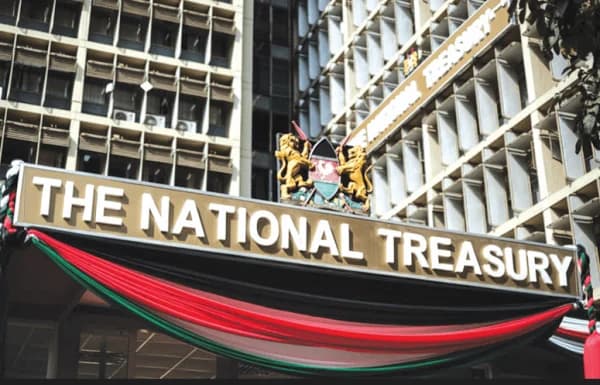
The National Treasury is finally pulling back the curtain on Kenya’s labyrinthine debt registers, signaling a strategic pivot from secrecy to survival.
In a move designed to calm jittery markets and appease the International Monetary Fund (IMF), the Treasury is preparing to unveil a comprehensive debt restructuring plan underpinned by radical transparency measures. Principal Secretary Dr. Chris Kiptoo has committed to releasing granular details on the volume and nature of debt the state intends to reorganize. This comes as government-backed debt dropped by 16.9% to Sh83.24 billion, a statistic the exchequer is keen to leverage as proof of fiscal discipline.
At the heart of this transparency push is the deployment of the Development Partners Management Information System (DPMIS). This is not merely an IT upgrade; it is a systemic overhaul designed to eliminate the "black holes" where borrowed funds have historically vanished. By automating debt management, the Treasury aims to create an immutable digital trail for every shilling borrowed, ensuring that loans are strictly tethered to their intended development projects.
"We are moving from an era of opacity to one of verifiable accountability," Dr. Kiptoo told parliamentarians. The new system will integrate with the Electronic Document and Records Management System (EDRMS) to provide real-time visibility into the country’s liabilities. This is a direct response to the "debt distress" warning lights that have been flashing over the economy, distinguishing Kenya from peer nations that have already defaulted.
Despite the optimistic rhetoric, the fiscal reality remains perilous. The restructuring plan is a tacit admission that the current debt service trajectory is unsustainable. By opening the books, the Treasury hopes to secure better terms and buy the economy breathing room. However, transparency is a double-edged sword; it may reveal the true depth of the financial hole the country needs to climb out of.
For the Kenyan taxpayer, this technical shift promises a tangible benefit: the possibility that future loans will actually fund the hospitals and roads they are earmarked for, rather than evaporating into the ether of bureaucracy. The days of "secret loans" may be numbered, but the hard work of paying them back has only just begun.
Keep the conversation in one place—threads here stay linked to the story and in the forums.
Sign in to start a discussion
Start a conversation about this story and keep it linked here.
Other hot threads
E-sports and Gaming Community in Kenya
Active 9 months ago
The Role of Technology in Modern Agriculture (AgriTech)
Active 9 months ago
Popular Recreational Activities Across Counties
Active 9 months ago
Investing in Youth Sports Development Programs
Active 9 months ago



