We're loading the full news article for you. This includes the article content, images, author information, and related articles.
The volume of state-guaranteed debt has dropped to KES 83.2 billion, reflecting a tighter grip by Treasury on parastatal borrowing, even as risks linger.
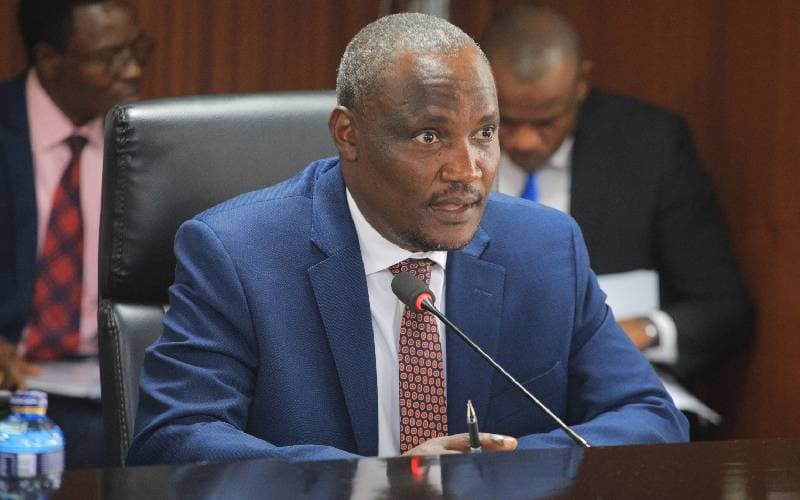
The volume of state-guaranteed debt has dropped to KES 83.2 billion, reflecting a tighter grip by Treasury on parastatal borrowing, even as risks linger.
In a rare flicker of positive fiscal news, the National Treasury has reported a significant drop in the stock of publicly guaranteed debt, which now stands at KES 83.2 billion. This represents a 17% decline from the KES 100.2 billion recorded the previous year, signaling a successful clampdown on reckless borrowing by State-Owned Enterprises (SOEs).
The reduction is not accidental. It is the result of a deliberate freeze on new guarantees and the scheduled repayment of existing loans by strategic entities. However, the Treasury remains on high alert, flagging the remaining portfolio as a potential fiscal landmine.
The guaranteed debt is concentrated in three strategic giants: Kenya Ports Authority (KPA), Kenya Electricity Generating Company (KenGen), and the troubled national carrier, Kenya Airways (KQ). These entities hold the keys to Kenya’s infrastructure, but their balance sheets have often required the taxpayer to act as a shock absorber.
Despite the drop, these guarantees are classified as "contingent liabilities." If any of these firms default, the debt instantly migrates to the national exchequer, worsening the already high budget deficit. The Treasury’s "Draft Medium-Term Debt Management Strategy" explicitly warns that oversight on these firms must be draconian to prevent a surprise shock.
The reduction to KES 83 billion suggests that the era of "easy money" for parastatals is over. The government is forcing these entities to operate like businesses rather than departments of the ministry. While the debt stock is falling, the true test will be whether these firms can maintain profitability in a high-interest rate environment without running back to the parent—the State—for a bailout.
Keep the conversation in one place—threads here stay linked to the story and in the forums.
Sign in to start a discussion
Start a conversation about this story and keep it linked here.
Other hot threads
E-sports and Gaming Community in Kenya
Active 9 months ago
The Role of Technology in Modern Agriculture (AgriTech)
Active 9 months ago
Popular Recreational Activities Across Counties
Active 9 months ago
Investing in Youth Sports Development Programs
Active 9 months ago



