We're loading the full news article for you. This includes the article content, images, author information, and related articles.
A deadly elephant attack in Taita Taveta reignites the human-wildlife conflict debate, with residents accusing KWS of valuing tourism dollars over local lives as the death toll rises.
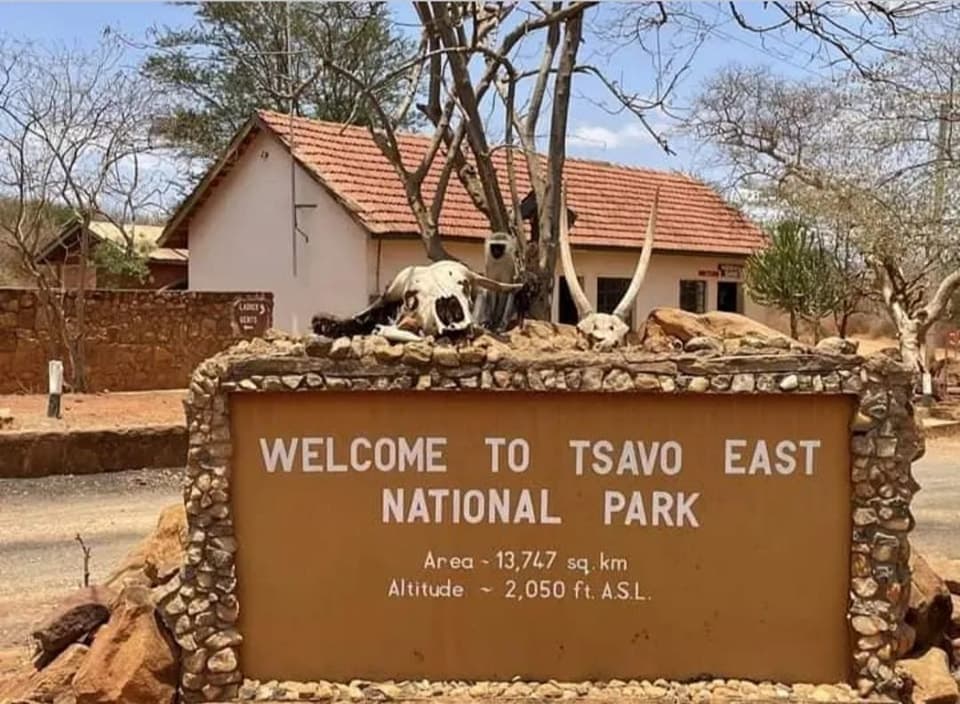
The fragile coexistence between man and beast in Taita Taveta County has shattered once again. A 45-year-old man has been trampled to death by a rogue bull elephant, sparking fury among residents who say they are being sacrificed at the altar of tourism. The incident, which occurred just kilometers from the Tsavo National Park boundary, highlights a bloody crisis that the Kenya Wildlife Service (KWS) seems powerless to stop.
Witnesses describe a horrific scene. The victim, a local farmer whose name has been withheld pending family notification, was tending to his maize crop when the massive pachyderm charged from the thicket. There was no warning. No time to run. "He didn't stand a chance," said Mary Wawuda, a neighbor who heard the terrifying trumpeting. "By the time we got there, the elephant had already disappeared back into the park. We are living in a war zone."
This death is not an anomaly; it is a statistic in a growing dossier of negligence. Taita Taveta is ground zero for Human-Wildlife Conflict (HWC) in Kenya. According to recent data, threats to human safety account for over 62% of all conflict incidents in the region. The Tsavo ecosystem, home to Kenya’s largest elephant population, has spilled over, turning villages into feeding grounds.
Residents accuse the government of valuing wildlife more than human life. "When a poacher kills an elephant, they send helicopters and the GSU," said a visibly angry community leader, Mzee Juma. "When an elephant kills a father of five, they send us a condolence card and a promise of compensation that takes ten years to arrive."
The anger in Taita Taveta is palpable. Schools in the area have reported drops in attendance as parents are too terrified to let their children walk the bush paths in the early morning. The economic toll is equally devastating; an entire season’s harvest can be destroyed in a single night of crop-raiding, leaving families destitute.
While the KWS cites "electric fences" and "community rangers" as solutions, the reality on the ground is broken wires and empty posts. The death of this farmer is a stark reminder that for the communities bordering our world-famous parks, conservation is not a romantic ideal—it is a daily struggle for survival. Until the government addresses the root causes—land use planning and genuine compensation—the soil of Taita Taveta will continue to drink the blood of its people.
Keep the conversation in one place—threads here stay linked to the story and in the forums.
Sign in to start a discussion
Start a conversation about this story and keep it linked here.
Other hot threads
E-sports and Gaming Community in Kenya
Active 9 months ago
The Role of Technology in Modern Agriculture (AgriTech)
Active 9 months ago
Popular Recreational Activities Across Counties
Active 9 months ago
Investing in Youth Sports Development Programs
Active 9 months ago



