We're loading the full news article for you. This includes the article content, images, author information, and related articles.
Torrential rains trigger deadly landslides in New Zealand, killing two and leaving tourists missing, as extreme weather continues to wreak havoc globally.
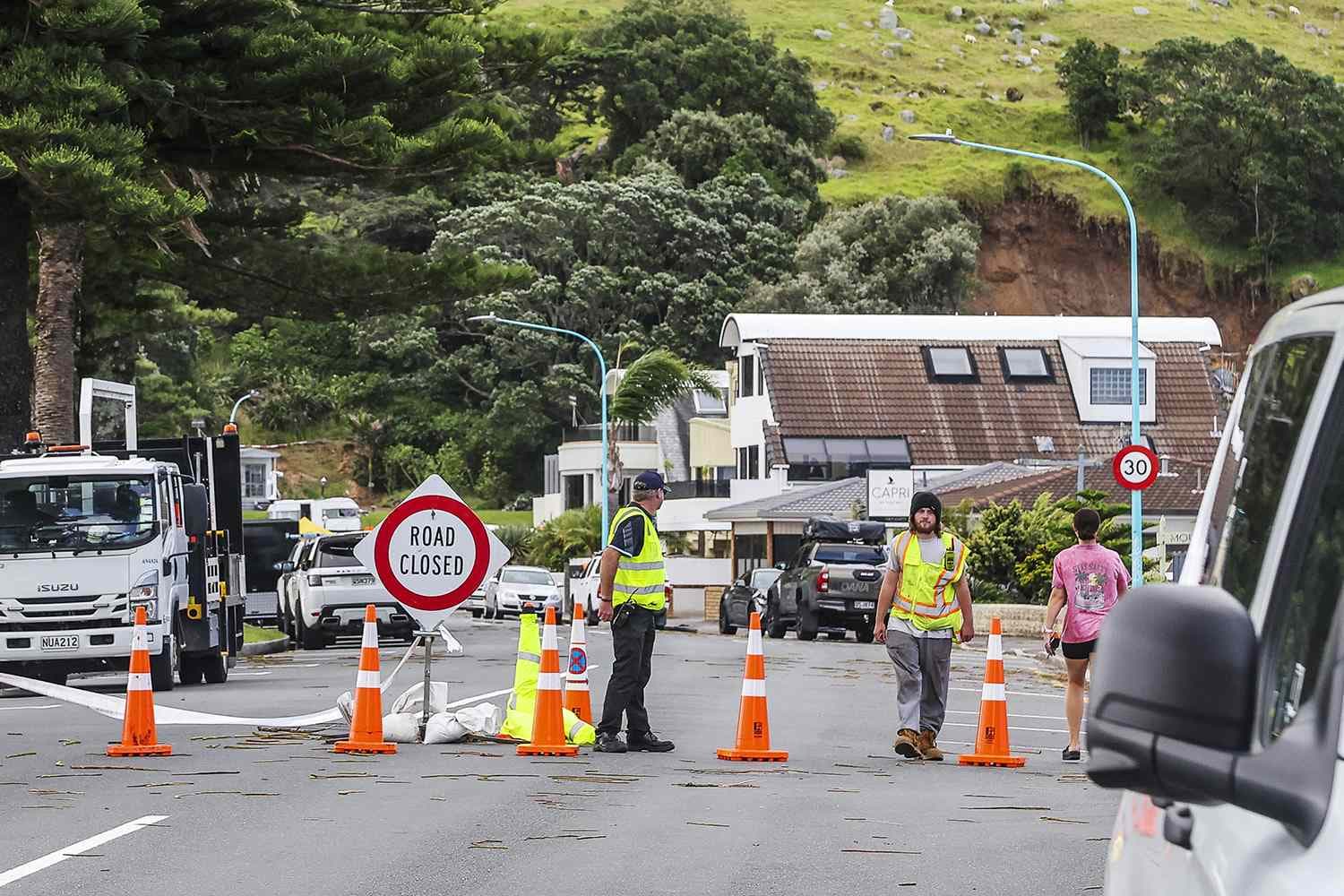
A summer of horror has descended upon New Zealand’s North Island as torrential rains triggered deadly landslides, leaving at least two people dead and several others missing. The disaster, striking the picturesque Mount Maunganui, serves as a grim reminder of the climate volatility now plaguing the globe.
Rescue crews are currently battling against time and treacherous mud to locate survivors at the Beachside Holiday Park, where a hillside gave way in the early hours of Thursday. The catastrophe has turned a popular tourist haven into a disaster zone, echoing the devastation Kenya witnessed during the recent El Niño rains. For families who went to sleep on a holiday and woke up to a nightmare, the trauma is absolute.
The storm, which dumped record levels of rainfall overnight, caught many off guard. "It sounded like a freight train," one survivor recounted, describing the moment the earth moved. Emergency services have confirmed two fatalities so far, but with reports of "single figures" still unaccounted for, fears are mounting that the death toll could rise. The tragedy at Welcome Bay, where another slip claimed lives, underscores the widespread nature of the threat.
Prime Minister Christopher Luxon has deployed national resources to the region, but the sheer scale of the infrastructure damage—roads severed, power lines down, and water systems compromised—poses a logistical nightmare. It is a scenario familiar to Kenyans: the sudden onset of calamity that exposes the fragility of even the most developed infrastructure when nature revolts.
As images of the devastation circulate globally, they serve as a sobering wake-up call. The ferocity of the January 2026 storms in New Zealand is consistent with climate models predicting more extreme weather events. For nations like Kenya, which is still recovering from its own flood-induced economic shocks, this is a shared grief.
The tragedy also raises critical questions about land use planning. Allowing settlements and campsites at the base of unstable cliffs is a gamble that authorities worldwide are losing. As the clean-up begins, the focus must shift from reaction to resilience. We cannot stop the rain, but we must stop placing our people in its deadly path.
Keep the conversation in one place—threads here stay linked to the story and in the forums.
Sign in to start a discussion
Start a conversation about this story and keep it linked here.
Other hot threads
E-sports and Gaming Community in Kenya
Active 9 months ago
The Role of Technology in Modern Agriculture (AgriTech)
Active 9 months ago
Popular Recreational Activities Across Counties
Active 9 months ago
Investing in Youth Sports Development Programs
Active 9 months ago



