We're loading the full news article for you. This includes the article content, images, author information, and related articles.
Trump cuts tariffs on Indian goods to 18% after Modi agrees to stop buying Russian oil, signaling a major geopolitical shift and trade thaw.

In a geopolitical pivot that has surprised markets from Wall Street to Mumbai, US President Donald Trump has announced a dramatic reduction in reciprocal tariffs on Indian goods. The slash from fifty percent to eighteen percent marks a significant de-escalation in the trade tensions that have defined the Washington-Delhi relationship for the past year.
The deal, brokered after a high-stakes call with Prime Minister Narendra Modi, is transactional diplomacy at its finest. In exchange for the tariff relief, India has reportedly agreed to a strategic realignment: halting the purchase of Russian oil and committing to buy billions in US energy and technology. Trump, announcing the deal on Truth Social, framed it as a double victory—protecting American industry while cutting off Vladimir Putin’s financial lifeline.
For years, India has walked a tightrope, buying discounted Russian crude to fuel its economy while courting Western security partnerships. This deal suggests the rope finally snapped. The US pressure campaign, which saw tariffs doubled last August, made the cost of neutrality unsustainable for Delhi. By agreeing to pivot to US and Venezuelan oil, Modi secures access to the lucrative American market for India’s textiles, jewelry, and pharmaceuticals.
"This is the mother of all pivots," says a trade analyst in Singapore. "India has effectively traded its energy autonomy for economic stability. It’s a bitter pill, but the eighteen percent tariff rate brings them back in line with competitors like Vietnam." The move is expected to send shockwaves through the BRICS alliance, potentially isolating Russia further on the global stage.
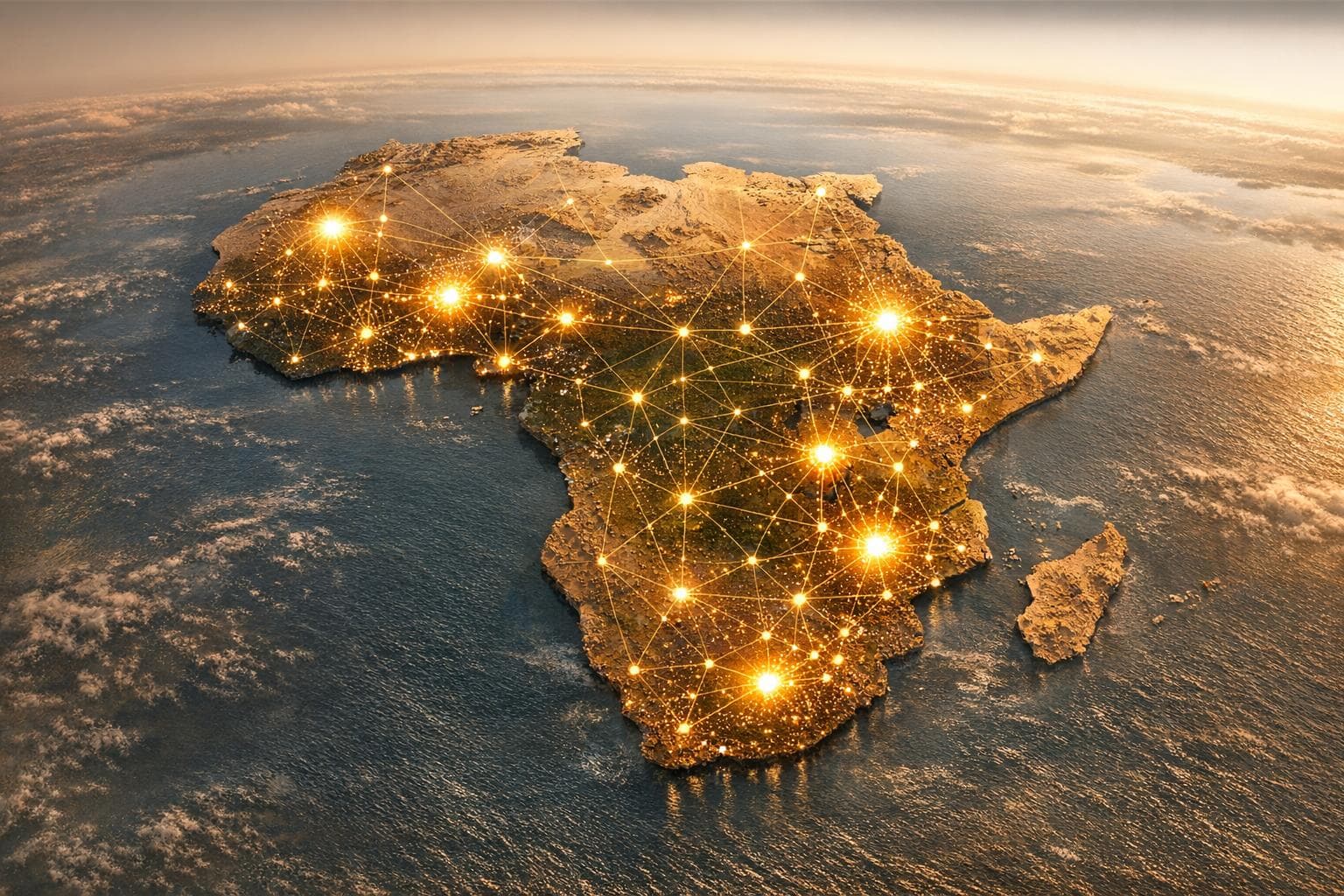
For Kenya and other African nations, this deal is a cautionary tale of the new global order: you are either at the table or on the menu. As the US tightens its grip on global supply chains, non-aligned nations may find themselves forced to choose sides. The "America First" doctrine is back with a vengeance, and it demands tribute.
As the dust settles, the world watches to see if the deal holds. Trump is mercurial, and Modi is a nationalist. Their handshake is firm today, but in the volatile world of 2026 geopolitics, today's deal is tomorrow's renegotiation.
Keep the conversation in one place—threads here stay linked to the story and in the forums.
Sign in to start a discussion
Start a conversation about this story and keep it linked here.
Other hot threads
E-sports and Gaming Community in Kenya
Active 9 months ago
The Role of Technology in Modern Agriculture (AgriTech)
Active 9 months ago
Popular Recreational Activities Across Counties
Active 9 months ago
Investing in Youth Sports Development Programs
Active 9 months ago