We're loading the full news article for you. This includes the article content, images, author information, and related articles.
Transatlantic tensions hit a boiling point as Brussels suspends ratification of a key trade pact in retaliation for President Trump’s "absurd" tariff threats over the Arctic island.
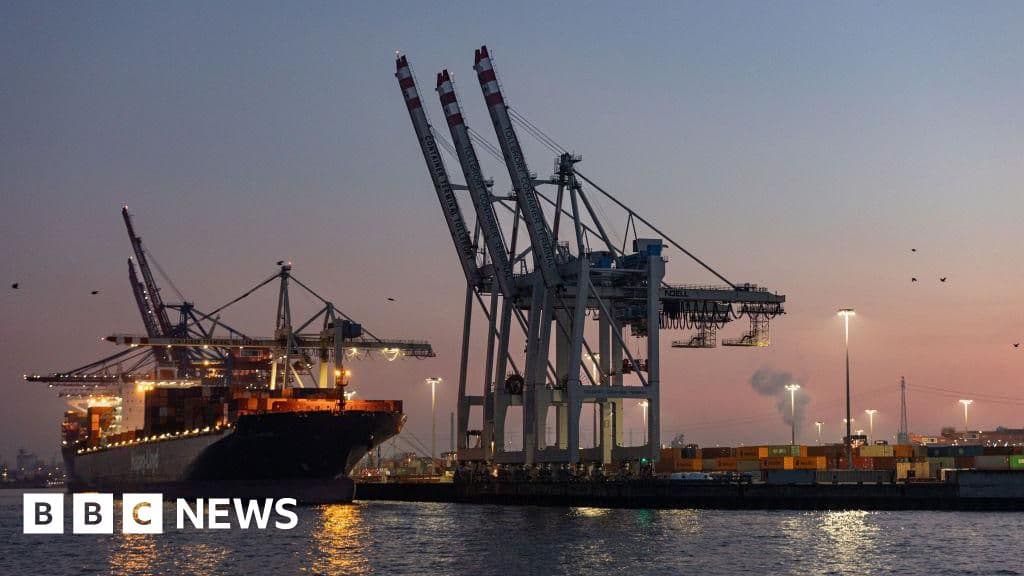
Transatlantic tensions hit a boiling point as Brussels suspends ratification of a key trade pact in retaliation for President Trump’s "absurd" tariff threats over the Arctic island.
The diplomatic gloves are off in Brussels. In a move that sends tremors through the global economy, the European Parliament has effectively frozen the ratification of a crucial US tariffs deal agreed upon just last July. The decision, set to be formally announced in Strasbourg this Wednesday, is a direct counter-punch to President Donald Trump’s escalating campaign to "acquire" Greenland—a geopolitical ambition that has morphed from a real estate tycoon's daydream into a potential nightmare for international trade.
Sources within the EU’s international trade committee reveal that the suspension is a "necessary shield" against what they term "economic bullying." Trump’s administration stunned allies over the weekend by threatening slap-down tariffs on eight European nations—including heavyweights like Germany, France, and the UK—if they stood in the way of his Greenland purchase. The ultimatum? A 10% levy on imports starting February 1, rising to a punitive 25% by June.
The reaction in European capitals has been a mixture of disbelief and fury. French President Emmanuel Macron has reportedly been working the phones, rallying a united front against what he calls a "new colonial approach" to sovereignty. The proposed US tariffs would hit European exports worth billions of Euros, from German automobiles to French wine and Italian luxury goods. For a global economy still fragile from the shocks of the mid-20s, a full-blown trade war between the West’s two largest pillars is the last thing needed.
Financial markets have voted with their feet. The Nairobi Securities Exchange (NSE) may feel the ripples soon, but already, the Euro has climbed 0.8% against the Dollar to $1.1742 as investors flee the greenback's uncertainty. "This is not just about an island of ice," notes trade analyst Dr. Akinyi Omondi from Nairobi. "This is about the rules of the game. If the US can weaponize tariffs to buy territory in 2026, no sovereign nation is safe."
The standoff has revived the ghost of the 1930s protectionism. European Commission President Ursula von der Leyen has been clear: "A deal is a deal, but friends do not threaten friends with economic ruin over territory." As the European Parliament prepares to officially suspend the approval, the ball moves back to the White House.
For Kenya and other African nations, this clash of elephants is a worrying sign. When the West sneezes, the developing world often catches a cold. If the EU and US lock horns in a protracted trade war, the demand for Kenyan exports could falter, and the strengthening Euro could make imports more expensive for local businesses. We are watching a high-stakes poker game where the chips are the stability of the global order.
Keep the conversation in one place—threads here stay linked to the story and in the forums.
Sign in to start a discussion
Start a conversation about this story and keep it linked here.
Other hot threads
E-sports and Gaming Community in Kenya
Active 9 months ago
The Role of Technology in Modern Agriculture (AgriTech)
Active 9 months ago
Popular Recreational Activities Across Counties
Active 9 months ago
Investing in Youth Sports Development Programs
Active 9 months ago