We're loading the full news article for you. This includes the article content, images, author information, and related articles.
Washington agrees to cut duties and exempt specific textiles, signaling a strategic economic pivot to counter global market dominance.
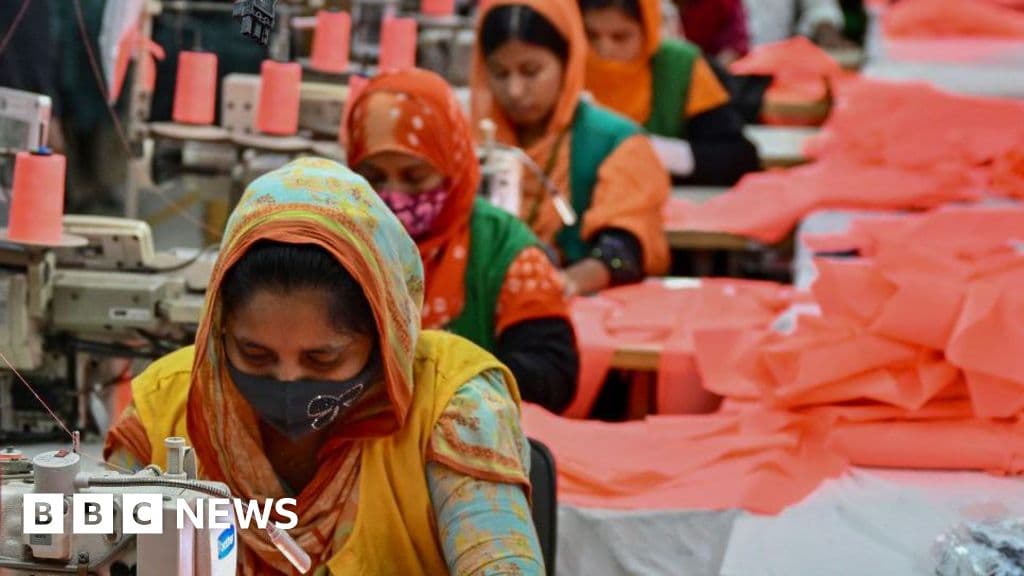
Washington agrees to cut duties and exempt specific textiles, signaling a strategic economic pivot to counter global market dominance and strengthen South Asian ties.
In a significant shift in global trade dynamics, the United States has announced a comprehensive agreement to lower tariffs on Bangladeshi clothing and textile exports. The deal, finalized on Monday, will see Washington cut its tariff rate on Bangladeshi goods from 20% to 19%, while also granting full exemptions for specific apparel categories manufactured using US-produced materials. This move is poised to reshape the supply chains of major American retailers and provide a critical lifeline to Bangladesh’s economy, which relies on the garment sector for more than 80% of its export revenue.
The agreement marks the culmination of protracted negotiations between Dhaka and the White House, following a period of trade volatility triggered by sweeping tariffs imposed last year. By incentivizing the use of American cotton and man-made fibers in Bangladeshi factories, the deal creates a symbiotic relationship: it supports US agriculture and industry while enhancing the competitiveness of Bangladeshi garments in the American market. "This is not just about clothes; it is about cementing a strategic partnership in South Asia," a trade analyst noted.
For Bangladesh, the world's second-largest clothing exporter after China, this relief comes at a crucial juncture. The industry employs approximately four million workers, mostly women, and has been navigating the headwinds of rising production costs and global inflation. The reduction in duties, though seemingly modest at one percentage point, translates to millions of dollars in savings for importers, potentially leading to lower prices for consumers and increased order volumes for Dhaka’s factories.
This trade pact operates against a backdrop of intensifying economic competition in the Indo-Pacific region. By deepening ties with Bangladesh, the US is effectively diversifying its import sources and reducing reliance on traditional manufacturing hubs. The joint statement from the White House emphasized "unprecedented access" for both nations, signaling a desire to move beyond transactional trade and towards a more integrated economic framework.
As the first shipments under the new tariff regime prepare to leave Chittagong for US ports, the deal stands as a testament to the power of economic statecraft. For the garment workers in Dhaka and the cotton farmers in Texas, the agreement offers a promise of stability in an otherwise unpredictable global market. It remains to be seen how quickly the benefits will trickle down, but the architecture for a more robust bilateral trade relationship has undeniably been established.
Keep the conversation in one place—threads here stay linked to the story and in the forums.
Sign in to start a discussion
Start a conversation about this story and keep it linked here.
Other hot threads
E-sports and Gaming Community in Kenya
Active 9 months ago
The Role of Technology in Modern Agriculture (AgriTech)
Active 9 months ago
Popular Recreational Activities Across Counties
Active 9 months ago
Investing in Youth Sports Development Programs
Active 9 months ago



