We're loading the full news article for you. This includes the article content, images, author information, and related articles.
In an innovative strategy to boost national revenue, the Tanzania Revenue Authority has launched a sports club board, leveraging the immense popularity of football to drive voluntary tax compliance across the country.
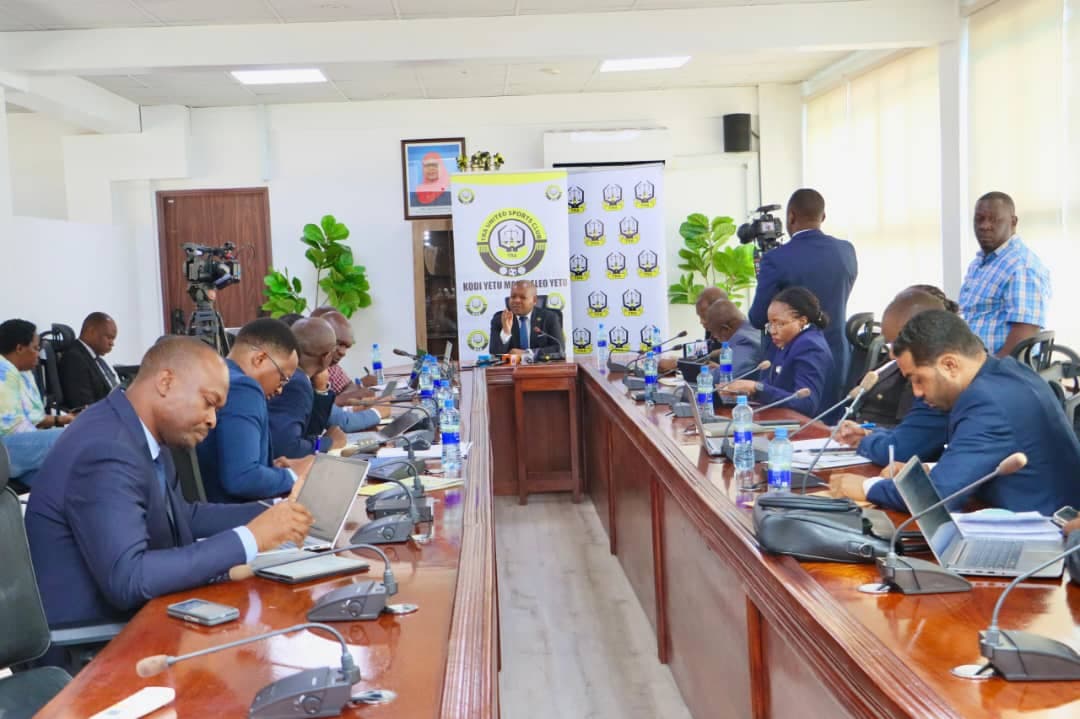
In an innovative strategy to boost national revenue, the Tanzania Revenue Authority has launched a sports club board, leveraging the immense popularity of football to drive voluntary tax compliance across the country.
In a continent where football evokes unparalleled passion, the Tanzania Revenue Authority (TRA) has orchestrated a masterstroke by merging sports administration with national economic strategy. The recent launch of the TRA United Sports Club Board in Dar es Salaam represents a paradigm shift in how government agencies interact with the public, moving away from punitive enforcement towards engaging, community-centric mobilization.
This initiative, spearheaded by TRA Commissioner General Yusuph Mwenda, is a fascinating case study for neighboring East African nations, including Kenya, where expanding the tax base remains a perennial challenge. By utilizing the cultural phenomenon of football, the TRA aims to demystify taxation and cultivate a culture of voluntary compliance, which is the bedrock of sustainable economic growth.
The intersection of sports and revenue generation is often viewed purely through the lens of taxing player transfers or broadcasting rights. However, the TRA's approach is fundamentally different. They are building a football team not just to compete on the pitch, but to serve as a ubiquitous, mobile billboard for civic responsibility.
Commissioner General Mwenda elucidated this vision during the launch. "This initiative aims not only to develop a competitive football team but also to educate Tanzanians on the importance of voluntarily paying taxes, which is vital for the country's economic growth," he stated. This dual mandate places a unique burden on the newly formed board, requiring them to deliver sporting success while executing a comprehensive public relations campaign.
The composition of the TRA United Board reflects the seriousness of this endeavor. Edmund Kawamala, appointed as the club's Board Chairman, is joined by a cadre of experienced professionals, including former Tanzania Football Federation General Secretary Wilfred Kidao. The inclusion of high-profile figures from the sporting and corporate worlds ensures that the club will be managed with the requisite professionalism to compete at the highest levels of Tanzanian football.
For policymakers in Nairobi, the TRA's initiative offers a compelling blueprint. The Kenya Revenue Authority (KRA) frequently grapples with the challenge of bringing the vast informal sector into the tax bracket. Traditional awareness campaigns often fail to resonate with the grassroots population. By embedding tax education within the emotionally charged environment of a football stadium, the message becomes more accessible and less intimidating.
Imagine a scenario where a prominent Kenyan Premier League club actively champions the national economic agenda. The potential to shift public perception from viewing taxation as a punitive extraction to a collective civic duty is immense. The TRA is betting that the loyalty fans show to their team can be partially translated into loyalty to the state's development goals.
The immediate challenge for the Edmund Kawamala-led board is to build a squad capable of competing in a domestic league dominated by powerhouses like Young Africans (Yanga) and Simba SC. Sporting success is critical; a winning team commands attention and amplifies the underlying message. Conversely, a struggling team risks rendering the entire initiative an expensive distraction.
"I trust that the board will take every step necessary to make citizens see tax compliance as a civic duty," Mwenda emphasized, placing immense faith in the transformative power of sport.
As TRA United takes to the pitch, they carry the weight of an entire nation's economic aspirations on their shoulders. If successful, this experiment could redefine the role of sports clubs in society, proving that the beautiful game can indeed be a powerful engine for national development.
Keep the conversation in one place—threads here stay linked to the story and in the forums.
Sign in to start a discussion
Start a conversation about this story and keep it linked here.
Other hot threads
E-sports and Gaming Community in Kenya
Active 9 months ago
The Role of Technology in Modern Agriculture (AgriTech)
Active 9 months ago
Popular Recreational Activities Across Counties
Active 9 months ago
Investing in Youth Sports Development Programs
Active 9 months ago