We're loading the full news article for you. This includes the article content, images, author information, and related articles.
Scottish Tourette's Syndrome campaigner John Davidson has addressed the intense global backlash following his involuntary vocal outbursts during the 2026 BAFTA Awards.
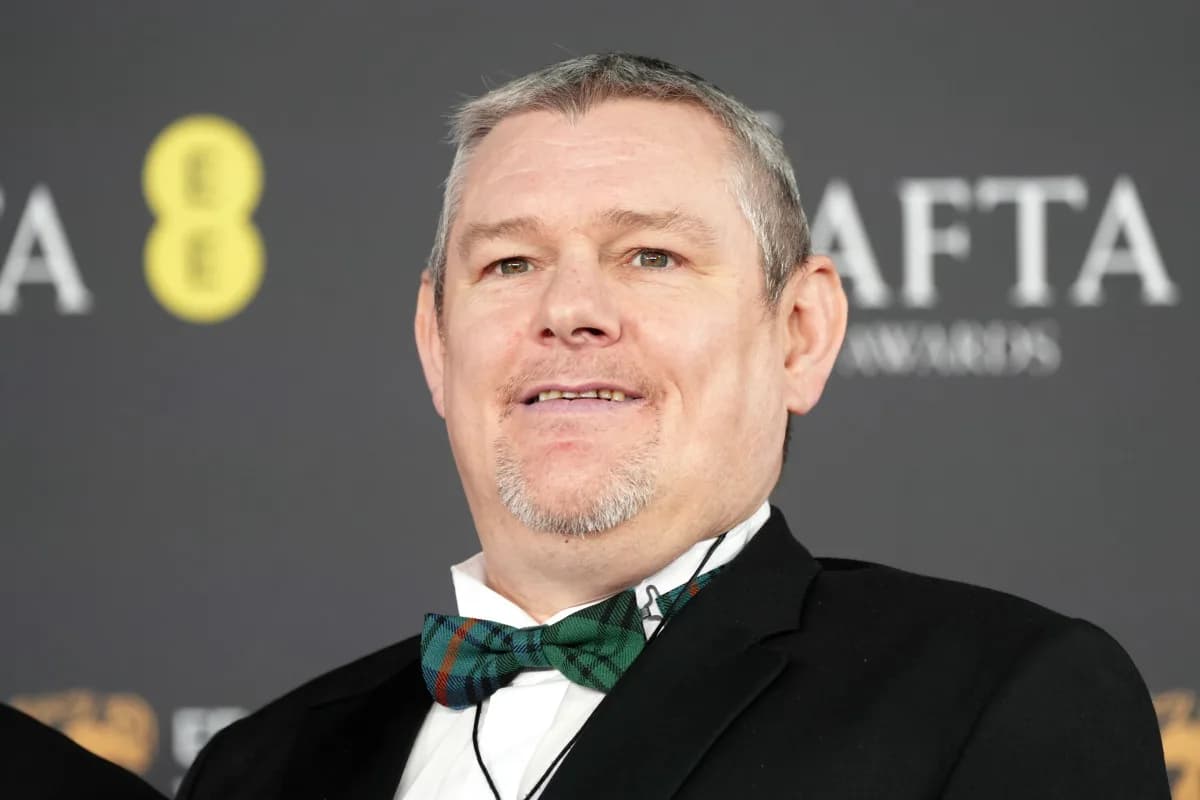
Scottish Tourette's Syndrome campaigner John Davidson has addressed the intense global backlash following his involuntary vocal outbursts during the 2026 BAFTA Awards, sparking a critical conversation on disability representation and public empathy.
The 2026 British Academy Film Awards (BAFTAs), held at London's prestigious Royal Festival Hall, were intended to be a glittering celebration of cinematic achievement. Instead, the evening's most defining and heavily scrutinized moments stemmed from the involuntary vocal outbursts of John Davidson. Davidson, a 54-year-old nominee, acclaimed activist, and the subject of the biographical film I Swear, experienced severe tics that thrust both the ceremony and the harsh realities of Tourette's Syndrome into the unforgiving glare of global live television.
The ensuing backlash, the subsequent apologies from the BBC and BAFTA, and Davidson's own deeply poignant response have ignited a fierce debate. At the core of this controversy lies the profound tension between the desire for inclusive spaces for individuals with severe neurological disabilities and the societal shock generated when the uncompromising symptoms of those disabilities—specifically coprolalia—manifest in highly formalized, public environments.
Davidson was invited to the BAFTAs as an honored guest; his lifelong struggle with Tourette's inspired I Swear, which was nominated for six awards. However, as the live broadcast unfolded, microphones picked up Davidson's involuntary vocal tics. The situation escalated dramatically when actors Michael B. Jordan and Delroy Lindo took the stage to present an award. During their segment, Davidson audibly shouted a severe racial slur—the N-word—alongside several other aggressive expletives.
Despite prior warnings to the audience by host Alan Cumming and the stage manager that attendees might hear "involuntary noises" due to a guest's medical condition, the sheer shock value of the racial slur triggered an immediate online firestorm. Viewers, many unaware of the specific mechanics of Tourette's Syndrome, took to social media to express their outrage, while prominent figures like actor Jamie Foxx publicly condemned the outbursts as "unacceptable."
The fallout was swift and multifaceted. The BBC faced intense criticism for failing to edit the slur out of the delayed broadcast, prompting a formal apology for the "strong and offensive language." BAFTA also issued a statement apologizing "unreservedly" to Jordan, Lindo, and all those impacted, taking full responsibility for placing their guests in a deeply uncomfortable situation while simultaneously praising Davidson for voluntarily leaving the auditorium to minimize distress.
In his first public statement following the incident, Davidson expressed profound sorrow without apologizing for the neurological condition itself. He stated he was "deeply mortified if anyone considers my involuntary tics to be intentional or to carry any meaning," emphasizing that he left the ceremony early because he was acutely aware of the distress his symptoms were causing the audience and the presenters.
To fully grasp the tragedy of the situation, one must understand the neurology of Tourette's Syndrome (TS). TS is a motor control disorder characterized by muscular and vocal tics. Approximately 10 to 20 percent of individuals with TS suffer from coprolalia, a devastating symptom that forces the sufferer to uncontrollably utter culturally taboo, deeply offensive, or socially inappropriate words.
As Emma McNally, CEO of Tourettes Action, clarified: "These words can cause hurt, but... it is vital that the public understands a fundamental truth about Tourette Syndrome: tics are involuntary. They are not a reflection of a person's beliefs, intentions, or character." For Davidson, a man honored with an MBE by Queen Elizabeth II for decades of tireless advocacy teaching empathy and understanding, involuntarily shouting a racial slur was an agonizing betrayal by his own neurology.
The BAFTA incident serves as a brutal stress test for society's stated commitment to inclusivity. It is easy to advocate for disability representation in theory, but profoundly difficult in practice when the disability manifests in ways that breach deep-seated social taboos. The backlash against Davidson reveals a glaring deficit in public education regarding severe neurological conditions.
Ultimately, Davidson's ordeal at the BAFTAs highlights the heartbreaking paradox of his life: the very platform meant to celebrate his triumph over Tourette's became the stage for its most cruel and public manifestation.
"I have spent my life trying to support and empower the Tourette's community and to teach empathy, kindness and understanding," Davidson affirmed, a mission that this painful controversy proves is now more necessary than ever.
Keep the conversation in one place—threads here stay linked to the story and in the forums.
Sign in to start a discussion
Start a conversation about this story and keep it linked here.
Other hot threads
E-sports and Gaming Community in Kenya
Active 9 months ago
The Role of Technology in Modern Agriculture (AgriTech)
Active 9 months ago
Popular Recreational Activities Across Counties
Active 9 months ago
Investing in Youth Sports Development Programs
Active 9 months ago