We're loading the full news article for you. This includes the article content, images, author information, and related articles.
Nigerian President Bola Tinubu hosted a historic interfaith dinner, urging political leaders to prioritize the underprivileged, a message that deeply resonates across East Africa's current economic climate.
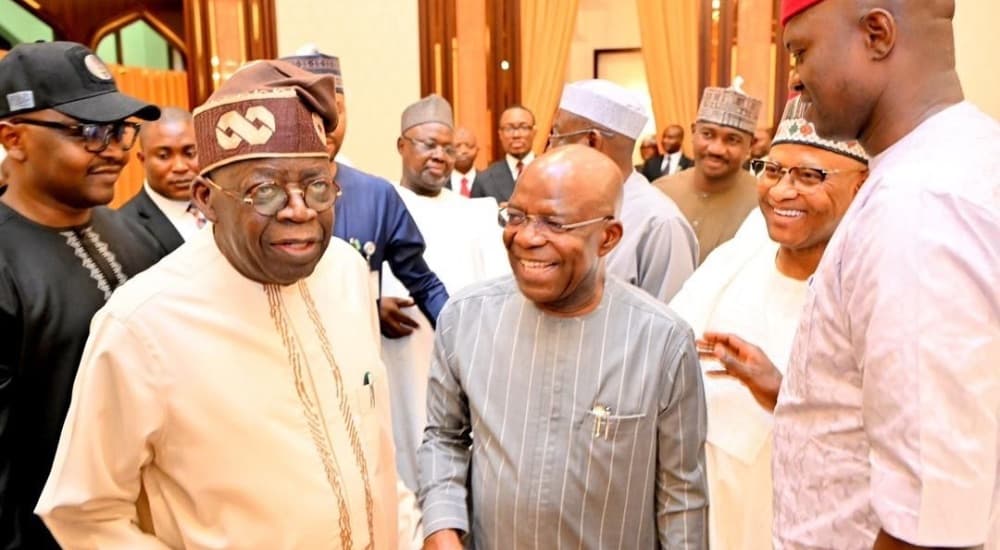
Nigerian President Bola Tinubu recently hosted a significant interfaith breaking of fast at the Presidential Villa in Abuja. The event, which coincided with the Muslim Ramadan and the Christian Lent, served as a powerful platform for a crucial political message regarding poverty alleviation.
While occurring in West Africa, Tinubu's urgent plea for leaders to demonstrate profound compassion for the marginalized underprivileged grassroots communities carries immense relevance for Kenya. As East Africa grapples with severe economic taxation, inflation, and a rising cost of living, his directive offers a timely reflection on the moral responsibilities of contemporary African governance.
The simultaneous observance of abstinence and penitence by both major religions provided a unique backdrop for addressing shared socioeconomic challenges. Tinubu emphasized that these spiritual seasons should fundamentally inspire leaders to bridge divides and design robust programs that directly impact the livelihoods of the majority. The President articulated a vision where discipline, sacrifice, resilience, and unyielding determination are channeled toward inclusive national development, moving beyond mere political rhetoric to tangible economic empowerment.
He explicitly challenged the assembled state governors to create substantial space for young citizens to thrive. By advocating for policies that systematically dismantle systemic poverty, Tinubu highlighted the critical necessity of grassroots engagement. This approach is increasingly recognized across the continent, including within Kenyan political discourse, where the youth demographic remains a vastly underutilized economic engine, often frustrated by limited opportunities and structural barriers. Empowering this demographic is universally acknowledged as the cornerstone of sustainable continental prosperity.
During the gathering, the President commended specific regional leaders for their magnanimity and outreach across religious lines. Such gestures of unity are paramount in diverse nations where ethno-religious fault lines are frequently exploited for political gain. By publicly praising inclusive governance, Tinubu reinforced the concept that genuine development must remain entirely blind to religious affiliation, tribal origin, or socioeconomic status.
His declaration that Nigeria has emerged from the "dark tunnel of uncertainty" and is witnessing positive economic stabilization is a narrative of resilience. For Kenyan observers monitoring their own government's aggressive fiscal policies and infrastructure investments, this narrative underscores the painful but necessary transitions required for long-term macroeconomic recovery. The emphasis remains resolutely on ensuring that the dividends of such economic recalibration are equitably distributed to reach the individual who feels completely forgotten by the state apparatus.
The political philosophy articulated during this interfaith dinner mirrors the ongoing debates within the Kenyan legislative and executive branches. The demand for leaders to operate as selfless navigators, guiding their respective nations toward prosperity without trading their integrity, is a universal African mandate. Tinubu's insistence on "letting the young ones breathe" directly parallels the sentiments of Kenyan youth advocating for equitable economic participation and relief from overwhelming taxation.
Furthermore, the acknowledgment that security is the absolute foundation of prosperity resonates deeply within the East African context, where regional stability is constantly threatened by external and internal security challenges. A secure environment is the prerequisite for the grassroots economic development Tinubu advocates. The integration of compassionate policymaking with robust security apparatuses forms the bedrock of a functioning modern African state.
The necessity of implementing such wide-ranging compassionate policies requires a fundamental restructuring of traditional budget allocations. Governments must pivot from heavy administrative expenditures towards aggressive social welfare programs and entrepreneurial grants. By intentionally focusing on the micro-economy, leaders can stimulate organic growth that organically lifts millions out of destitution, transforming the socioeconomic fabric of the entire region. This strategic reallocation of national resources is the true test of a government's commitment to its most vulnerable populations.
Ultimately, the leadership model championed at the Presidential Villa serves as a compelling benchmark. It demands that elected officials continuously reflect on their fundamental mandate: to alleviate the suffering of the most vulnerable citizens. As the continent navigates complex global economic currents, this interfaith appeal for systemic empathy remains a vital guiding principle.
"Development must not recognize religion. Compassion must not recognize tribe. Opportunity must not recognize status. I am determined to rescue this country," Tinubu asserted.
Keep the conversation in one place—threads here stay linked to the story and in the forums.
Sign in to start a discussion
Start a conversation about this story and keep it linked here.
Other hot threads
E-sports and Gaming Community in Kenya
Active 9 months ago
The Role of Technology in Modern Agriculture (AgriTech)
Active 9 months ago
Popular Recreational Activities Across Counties
Active 9 months ago
Investing in Youth Sports Development Programs
Active 9 months ago



