We're loading the full news article for you. This includes the article content, images, author information, and related articles.
TikTok avoids a US ban by finalizing a deal to spin off its American operations into a new entity 80% owned by US investors like Oracle, marking a major shift in global tech geopolitics.
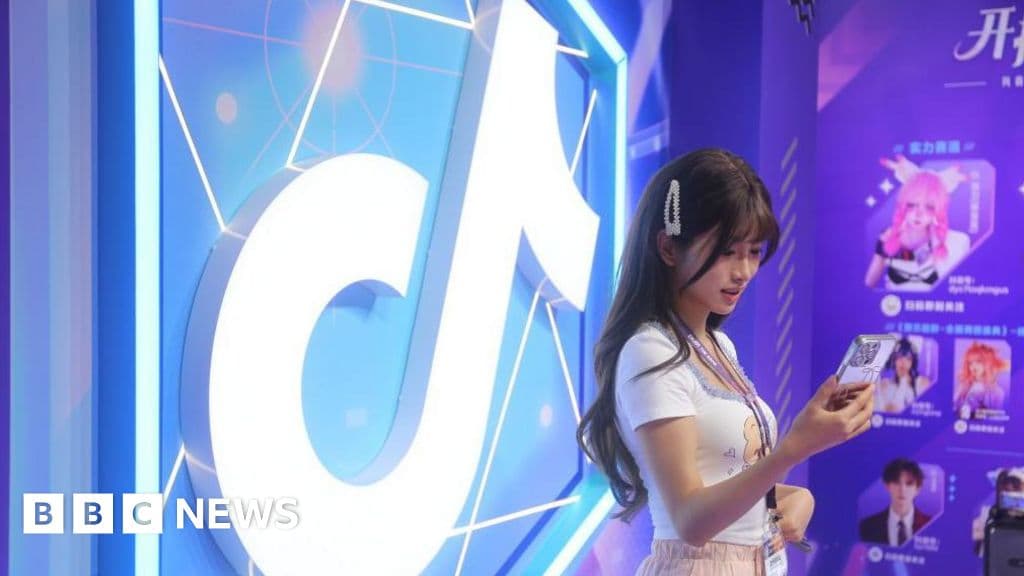
The geopolitical tug-of-war over the world’s most addictive app has ended not with a bang, but with a signature. In a landmark deal finalized this week, TikTok has avoided a total ban in the United States by agreeing to spin off its American operations into a new entity, "TikTok USDS Joint Venture LLC," which is now 80.1% owned by a consortium of US and international investors.
This restructuring is the culmination of a multi-year standoff that began in the Trump era and intensified under the Biden administration. The message from Washington was clear: divorce Beijing or leave America. Faced with losing its most lucrative market—home to 170 million users—ByteDance blinked. The Chinese parent company retains a minority 19.9% stake, a symbolic foothold in a company it built from scratch but can no longer control.
The deal reads like a who’s who of American corporate power. Oracle, the Texas-based tech giant, has taken a 15% stake and, crucially, control over the data architecture. All US user traffic is now routed through Oracle’s cloud infrastructure, theoretically walling it off from Chinese eyes. Retail behemoth Walmart also joins the table, eyeing the massive e-commerce potential of "TikTok Shop."
But the real winner is the "Project Texas" initiative, which has now been codified into law. "This is a new reality for Chinese tech champions," says tech analyst Dan Ives. "You can innovate in China, but if you want to scale in the West, you have to play by Western rules." The deal also includes the Abu Dhabi-based investment firm MGX and Silver Lake, ensuring a global capital buffer.
For the millions of content creators who built their livelihoods on the app, the news is a reprieve from months of anxiety. In Kenya, where TikTok has become a primary source of news and entertainment for Gen Z, the ripple effects will be watched closely. While the ownership change is US-specific, the operational shifts will likely influence how the platform is governed globally.
"We just want to create," said a top Nairobi-based influencer. "We don't care if the servers are in Beijing or Texas, as long as the algorithm keeps feeding us views." But for the digital sovereignty hawks, this is a massive victory. Data, the oil of the 21st century, has been secured—or at least, that is what the press release says.
Beijing’s reaction has been muted, a sign that economic pragmatism has trumped nationalistic pride. Losing majority control is a bitter pill, but a total ban would have been a catastrophic loss of soft power. By retaining 19.9%, ByteDance keeps a seat at the table and a share of the profits, even if it has lost the keys to the kingdom. The TikTok saga proves that in the digital age, borders still matter.
Keep the conversation in one place—threads here stay linked to the story and in the forums.
Sign in to start a discussion
Start a conversation about this story and keep it linked here.
Other hot threads
E-sports and Gaming Community in Kenya
Active 9 months ago
The Role of Technology in Modern Agriculture (AgriTech)
Active 9 months ago
Popular Recreational Activities Across Counties
Active 9 months ago
Investing in Youth Sports Development Programs
Active 9 months ago