We're loading the full news article for you. This includes the article content, images, author information, and related articles.
TikTok has finalized a deal to sever its US operations from its global entity, a historic move that fractures the open internet and sets a precedent for digital sovereignty worldwide.
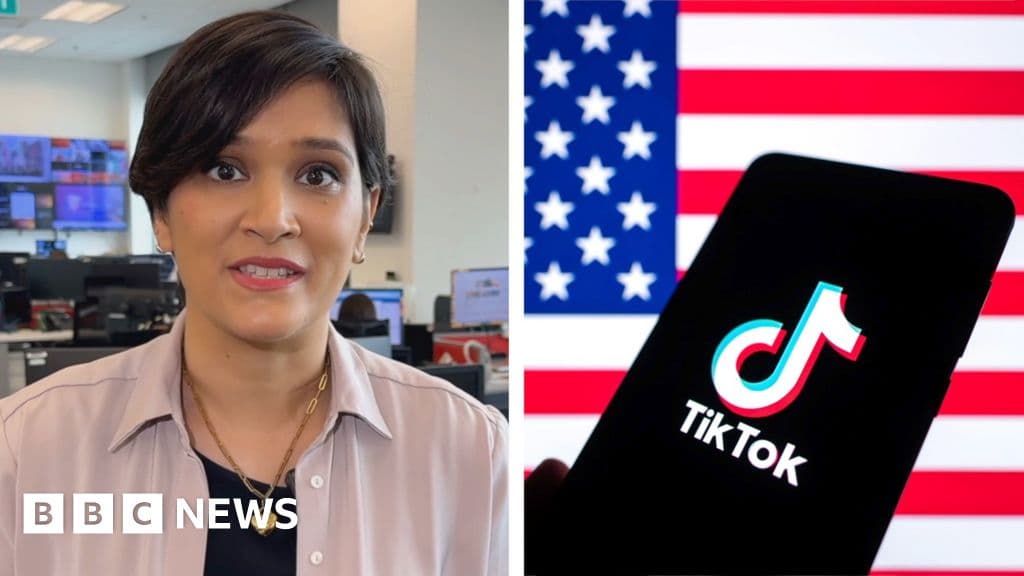
In a geopolitical maneuver that redefines the digital borders of the 21st century, TikTok has formally agreed to sever its American operations from its global mothership. The deal, finalized late Thursday, creates a firewall between the US entity and its Chinese ownership, a desperate surgical strike to save the app from extinction in its most lucrative market.
This isn't just a corporate restructuring; it is the first true casualty of the digital Cold War. For Kenyan content creators and digital marketers, the "Splinternet" is no longer a theoretical concept—it is here. The precedent set by this deal suggests that global platforms can no longer operate as borderless entities, a shift that could fracture the digital economy and complicate how local influencers reach global audiences. If the US can force a divestiture, the European Union—and potentially African regulators—may soon demand similar data sovereignty.
According to the BBC's Asia Business Correspondent Suranjana Tewari, the agreement creates a new, wholly independent US entity. This new company will hold all US user data, algorithms, and content moderation policies, strictly cordoned off from ByteDance's Beijing headquarters. The "Project Texas" initiative, once a theoretical proposal, has now become the operational reality.
The implications are staggering:
For Kenya's digital economy, which thrives on the borderless nature of TikTok, this is a warning shot. Kenyan creators who have gone viral globally often rely on the US audience for engagement and monetization. A fractured ecosystem could mean that a dance challenge started in Nairobi might hit a wall before it reaches New York. Furthermore, with Kenya's own Data Protection Act becoming more vigorously enforced, regulators in Nairobi will be watching closely. If the US can demand data localization on national security grounds, what stops Kenya from demanding that ByteDance store Kenyan user data in local servers in Konza City?
The deal comes as other nations ramp up scrutiny. The European Union has already launched investigations into TikTok's compliance with the Digital Services Act. This US deal provides a blueprint for how other nations might "tame" the giant without banning it outright. "We are seeing the balkanization of the internet," warns digital rights activist Nanjala Nyabola. "The era of the open, global web is ending."
As the ink dries on this historic deal, the question remains: Is this the salvation of TikTok, or the beginning of its slow fragmentation? For the millions of users who just want to scroll, the app may look the same tomorrow. But the invisible wires that connected the world have just been cut, and we are entering a new era of the gated digital community.
Keep the conversation in one place—threads here stay linked to the story and in the forums.
Sign in to start a discussion
Start a conversation about this story and keep it linked here.
Other hot threads
E-sports and Gaming Community in Kenya
Active 9 months ago
The Role of Technology in Modern Agriculture (AgriTech)
Active 9 months ago
Popular Recreational Activities Across Counties
Active 9 months ago
Investing in Youth Sports Development Programs
Active 9 months ago



