We're loading the full news article for you. This includes the article content, images, author information, and related articles.
A critical shortage of meters and transformers has left over 16,000 paying customers disconnected, revealing deep-seated procurement and infrastructure failures at the heart of Kenya's escalating energy crisis.
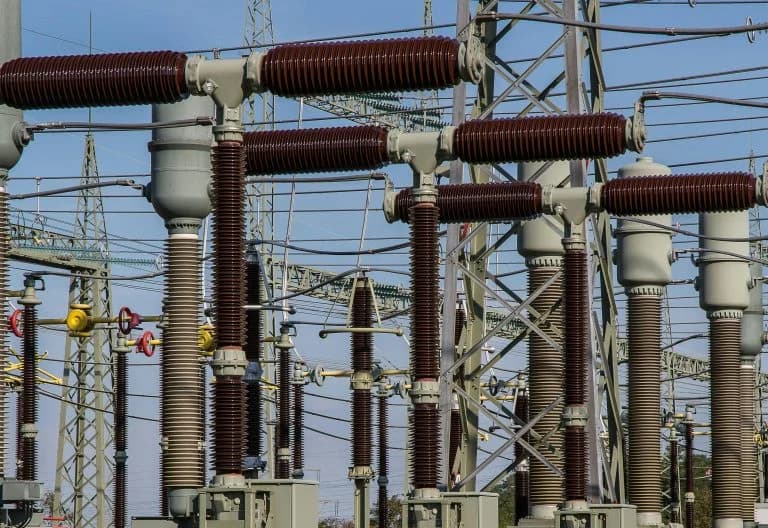
Thousands of Kenyan families and businesses who have paid for electricity connections are being left in the dark, some for years, due to a severe shortage of essential equipment at Kenya Power. The crisis, affecting at least 16,422 potential customers, highlights a crippling deficit of meters, transformers, and other vital kits that is stalling economic growth and frustrating citizens across the country.
This is not just a delay; it's a costly standstill for the Kenyan economy. The inability to connect new customers denies Kenya Power crucial revenue, while existing businesses are hammered by unreliable supply. The Kenya Association of Manufacturers (KAM) has warned that frequent power outages could shrink the economy by as much as $2 billion (approx. KES 280 billion) annually, with the manufacturing sector alone losing an estimated KES 119.4 million for every hour of a nationwide blackout.
At the core of the problem are persistent procurement battles and an aging grid. According to a recent report by Auditor-General Nancy Gathungu, 7,740 connection projects, representing KES 887.8 million in customer contributions, had not even started. Kenya Power management attributes these delays to “non-availability of materials” and perennial lawsuits that have derailed the procurement of critical kits.
The nation's power infrastructure is under immense strain, a fact acknowledged by the highest levels of government. System losses—power generated but lost due to technical faults, an aging network, and illegal connections—have reached a staggering 24.2%, far above the 17.5% threshold allowed by the Energy and Petroleum Regulatory Authority (EPRA). This inefficiency means Kenyans are paying for electricity that never reaches them.
The equipment shortage is a symptom of a much larger crisis: Kenya's electricity demand has outstripped its generation capacity. President William Ruto recently confirmed the country is implementing daily power rationing, or load-shedding, because the energy supply is insufficient. This shortfall is largely blamed on years of under-investment and a freeze on signing new Power Purchase Agreements (PPAs) with electricity producers, which has stifled the growth of generation capacity.
In response, the government has announced a KES 4.3 billion ($33.2 million) plan to replace over 20,000 defective transformers nationwide to improve grid stability. However, with EPRA noting that Kenyans experienced an average of 9.15 hours of blackouts per month in late 2024—nearly triple the regulatory target—these measures may be too little, too late for households and businesses desperate for reliable power.
As Kenya Power struggles with financial losses and operational challenges, the patience of the public is wearing thin. For thousands of Kenyans, the promise of being connected to the national grid remains a distant dream, dimming hopes for economic progress and a brighter future.
Keep the conversation in one place—threads here stay linked to the story and in the forums.
Sign in to start a discussion
Start a conversation about this story and keep it linked here.
Other hot threads
E-sports and Gaming Community in Kenya
Active 9 months ago
The Role of Technology in Modern Agriculture (AgriTech)
Active 9 months ago
Popular Recreational Activities Across Counties
Active 9 months ago
Investing in Youth Sports Development Programs
Active 9 months ago



