We're loading the full news article for you. This includes the article content, images, author information, and related articles.
Florists are leading a rebellion against the red rose, labeling it the 'wicked stepmother' of flowers due to its massive carbon footprint.
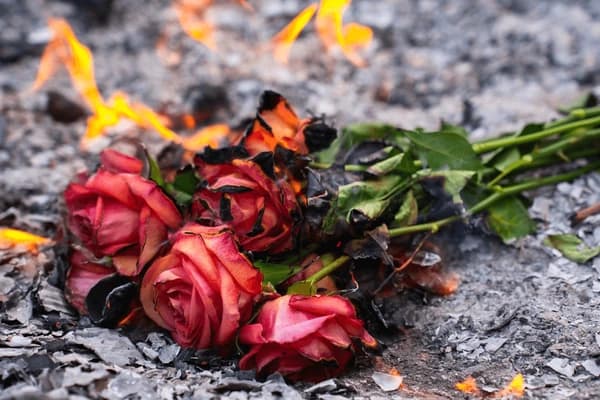
This Valentine’s Day, the ultimate symbol of romance is facing a prickly reception. A growing movement of florists and environmentalists is urging lovers to ditch the traditional red rose, condemning the bloom as an ecological villain masked in velvet petals.
Elizabeth Honey, a florist with the British Flower Movement, has sparked a global conversation by labeling the imported red rose "the wicked stepmother of flowers." Her critique is rooted in the harsh reality of the global flower trade. At this time of year, red roses are out of season in the northern hemisphere, meaning the millions of stems sold in Europe and the US are flown in from massive farms in warmer climates like Kenya and Colombia.
The journey of a Valentine’s rose is a fuel-heavy odyssey. Grown in heated greenhouses or flown thousands of miles in refrigerated cargo planes, the carbon footprint of a single bouquet is staggering. Environmentalists argue that the environmental cost of transport, water usage, and chemical preservatives outweighs the fleeting sentimental value of the gift.
For Kenya, however, this backlash presents a complex dilemma. As one of the world's leading flower exporters, the Valentine's rush is the lifeblood of the horticultural sector, employing thousands of workers in Naivasha and beyond. John Davidson of the British Florist Association pushed back against the boycott, noting that local production in places like the UK simply cannot meet the massive demand. "British production alone cannot realistically supply the volume," he argued.
So, as you reach for that dozen red roses, you are holding more than a gesture of love; you are holding a lightning rod for the debate on sustainability versus global trade. The message from the eco-conscious florist is clear: true love shouldn't cost the Earth. But for the farmers in the Rift Valley, those roses are the color of economic survival.
Keep the conversation in one place—threads here stay linked to the story and in the forums.
Other hot threads
E-sports and Gaming Community in Kenya
Active 9 months ago
The Role of Technology in Modern Agriculture (AgriTech)
Active 9 months ago
Popular Recreational Activities Across Counties
Active 9 months ago
Investing in Youth Sports Development Programs
Active 9 months ago